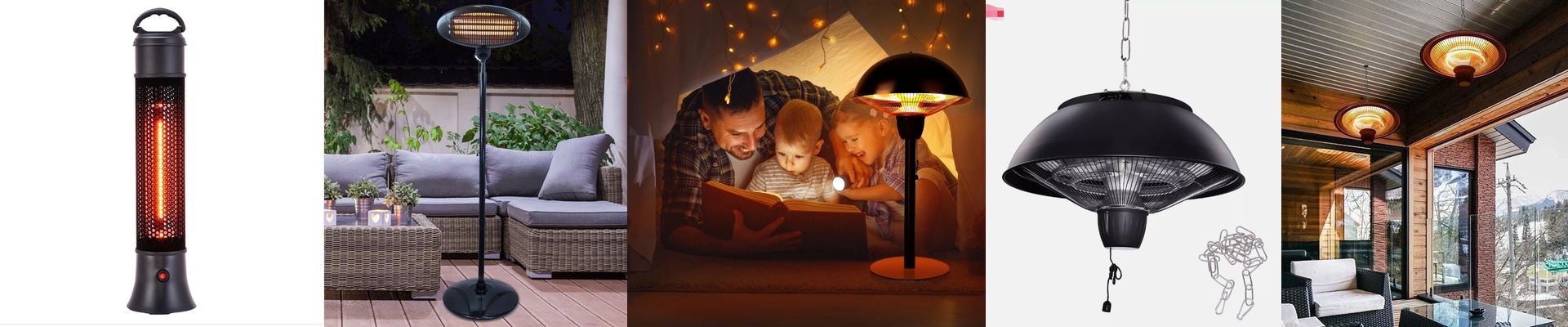
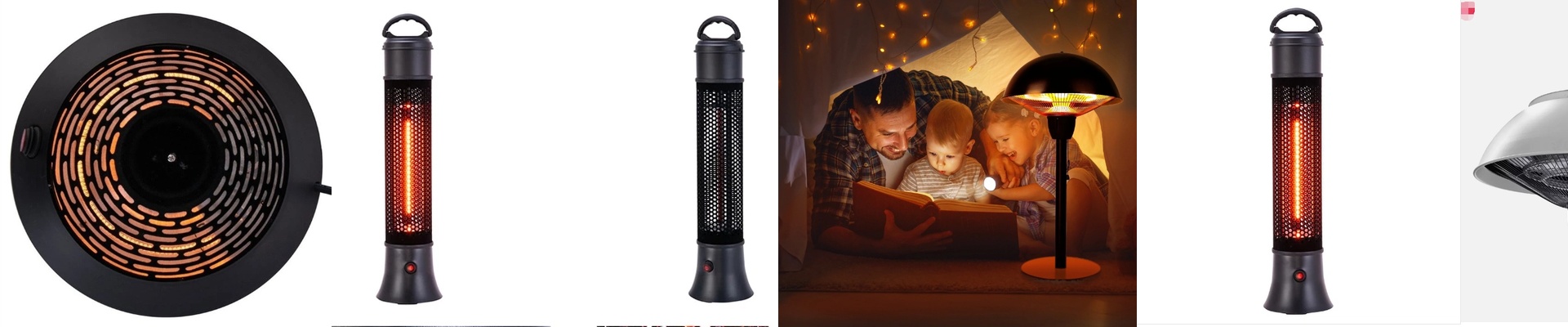

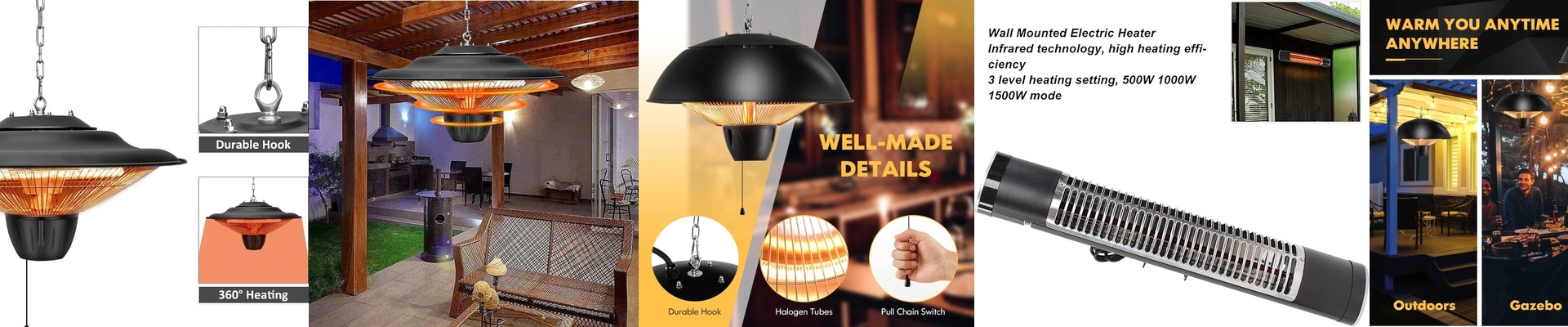
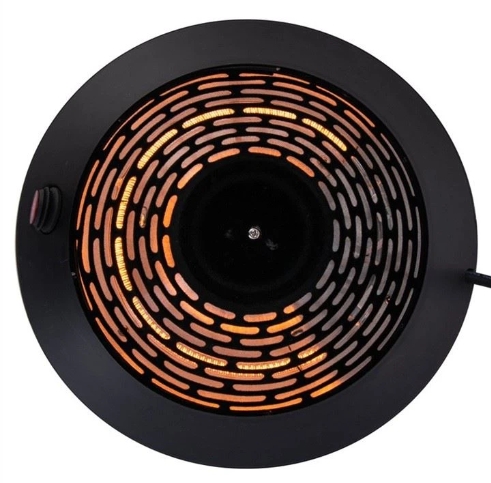
Why we’re moving to IP44 Infrared Heating in the Bathroom
Let’s be honest: those old-school light-bulb heaters are a pain. They rely on heating the air around them, and those high-wattage filaments just aren’t built for a steamy bathroom. They tend to burn out right when you actually need them. That’s why we’ve been shifting toward IP44-rated infrared (IR) panels. It’s a completely different way of staying warm.
What’s the deal with “IP44”?
If you’ve seen that code on a box, it basically just means the unit is built to handle a bathroom. It keeps out dust and—more importantly—it can take a splash of water from any direction without freaking out. In a room full of steam and spray, cheap heaters often short circuit. We seal the wiring and the heating elements tight so the moisture stays out. It keeps the electricity where it belongs and away from the humid air. Simple as that.
How it actually feels
Here is the big difference: traditional heaters try to warm up the air. But air is slippery; it escapes through vents and under doors. Infrared is different. It doesn’t bother with the air—it warmsyou. IR waves travel straight through the room and hit your skin or the floor directly. You feel the heat the second you turn it on. It’s a deep, immediate warmth that works even in those drafty bathrooms where the heat usually just vanishes.
A few things to watch out for
If you’re putting these in, you can usually use your existing wiring, but you’ve got to keep an eye on the load. A powerful IR panel pulls a lot of current. If you’re updating an old house, your breakers might trip unless you give them a quick upgrade first. Also, these things get hot. Fast. We’re talking from freezing to 60°C in a few seconds. While the IP44 shell protects the electronics from water, that intense heat can be tough on other materials. Don’t mount them too close to plastic trim or cheap PVC pipes, or you’ll end up with warped fixtures. Just give them some breathing room and you’ll be fine.