
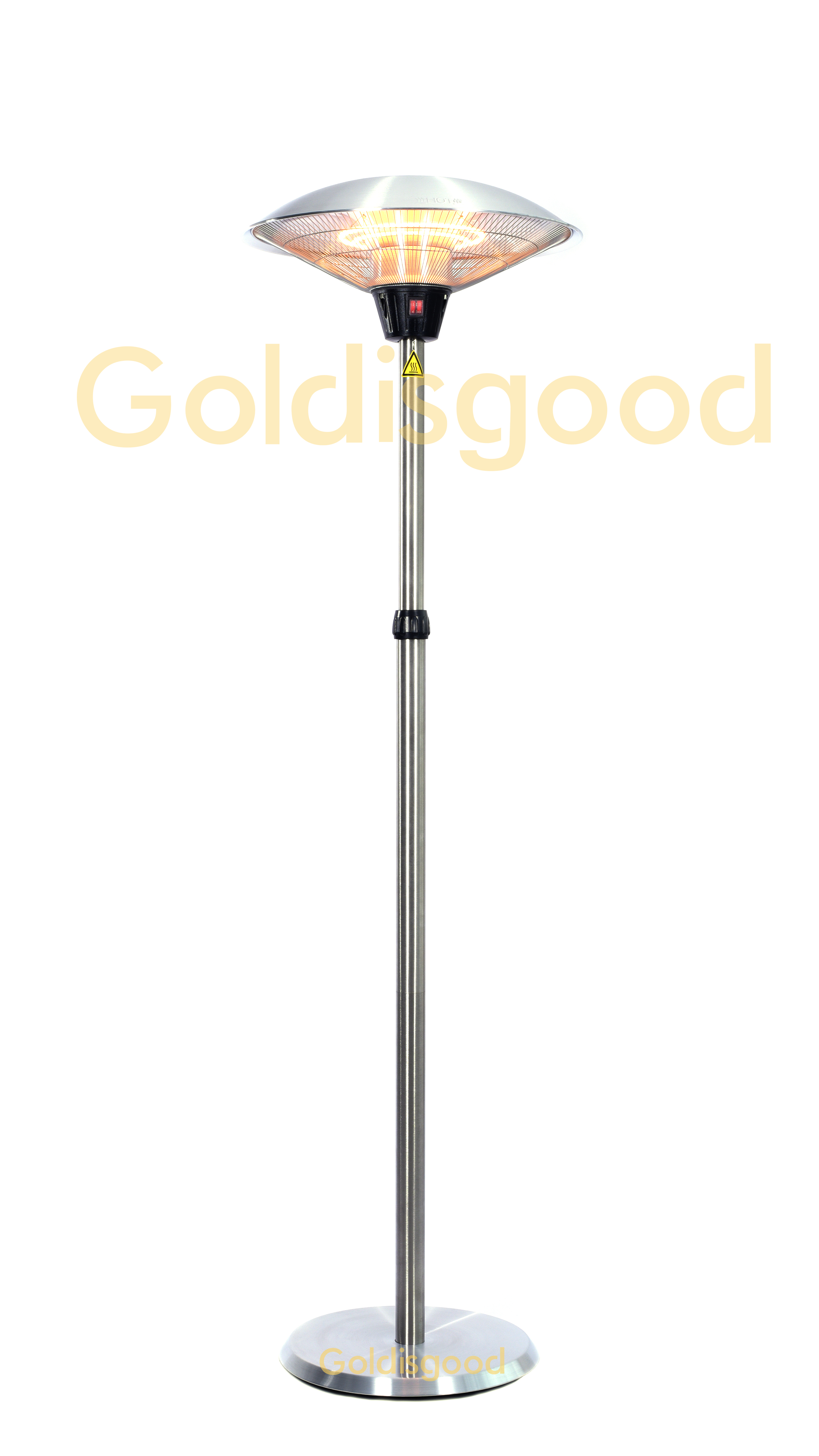
Stop Throwing Away Your Heaters
Most IP65 electric heaters are built like bunkers. They’re sealed tight to keep out dust and water, which is great—until something actually breaks. Usually, when a heating element burns out after a few years, it’s a disaster. Technicians have to spend hours stripping the entire housing apart, or worse, just toss the whole unit in the scrap bin because it’s too much of a pain to fix. We got tired of that. So, we changed how these things are built.
The “Slide and Swap” Approach
We decided to move to a modular setup. Instead of hard-wiring the tubes directly into the chassis, we used quick-connect interfaces. Think of it like a cartridge. If a tube fails, you don’t need to tear the machine apart. You just pop the old module out and slide a new one in. It turns a multi-hour headache into a few minutes of work. It’s that simple.
Keeping the Water Out
Now, the tricky part was keeping the waterproof seal. You can’t just leave a door open if you’re in a wash-down environment. We used compression gaskets and locking fasteners. They keep that IP65 rating solid, but they don’t require permanent glues or welds. You get the protection you need, but you can still actually get inside the machine when you need to.
The Honest Trade-off
Look, nothing is perfect. A modular design has more connection points than a single piece of cast metal. Because of that, you have to be mindful of your torque specs during install. You can’t just wing it, or vibrations might loosen things up over time. But honestly? I’d much rather double-check a few bolts than scrap an entire heater assembly just because one quartz tube cracked.
What This Means for the Shop Floor
If you’re the one managing the plant, this changes your inventory. You don’t need to store massive, expensive heater banks on the shelf. Just keep a few spare modules. When one goes down, you swap it, lock the seal, and get the line moving again. It turns a major overhaul into a quick fix.