
Introduction
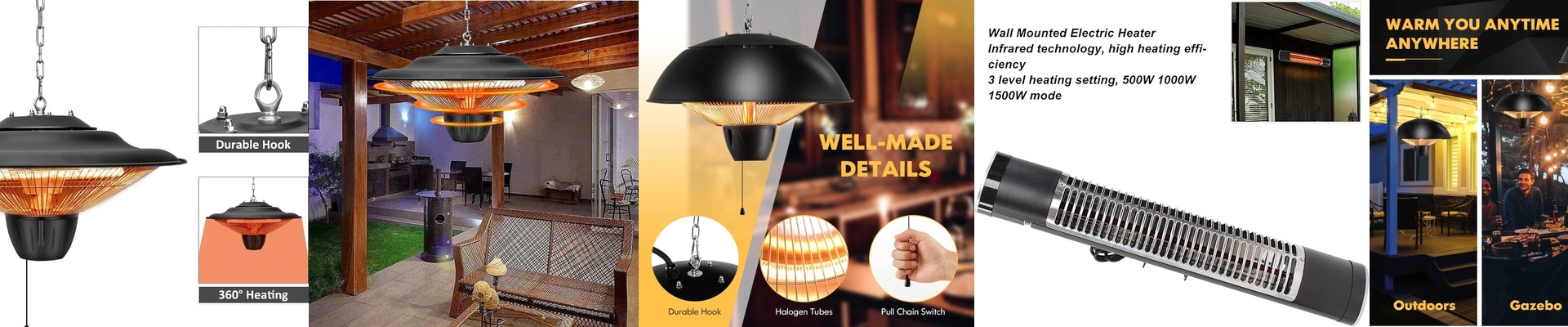
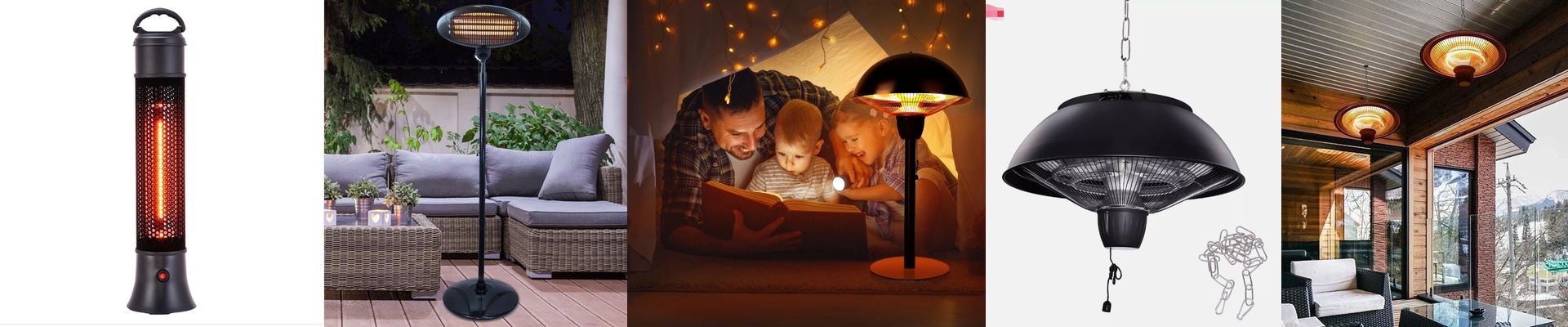
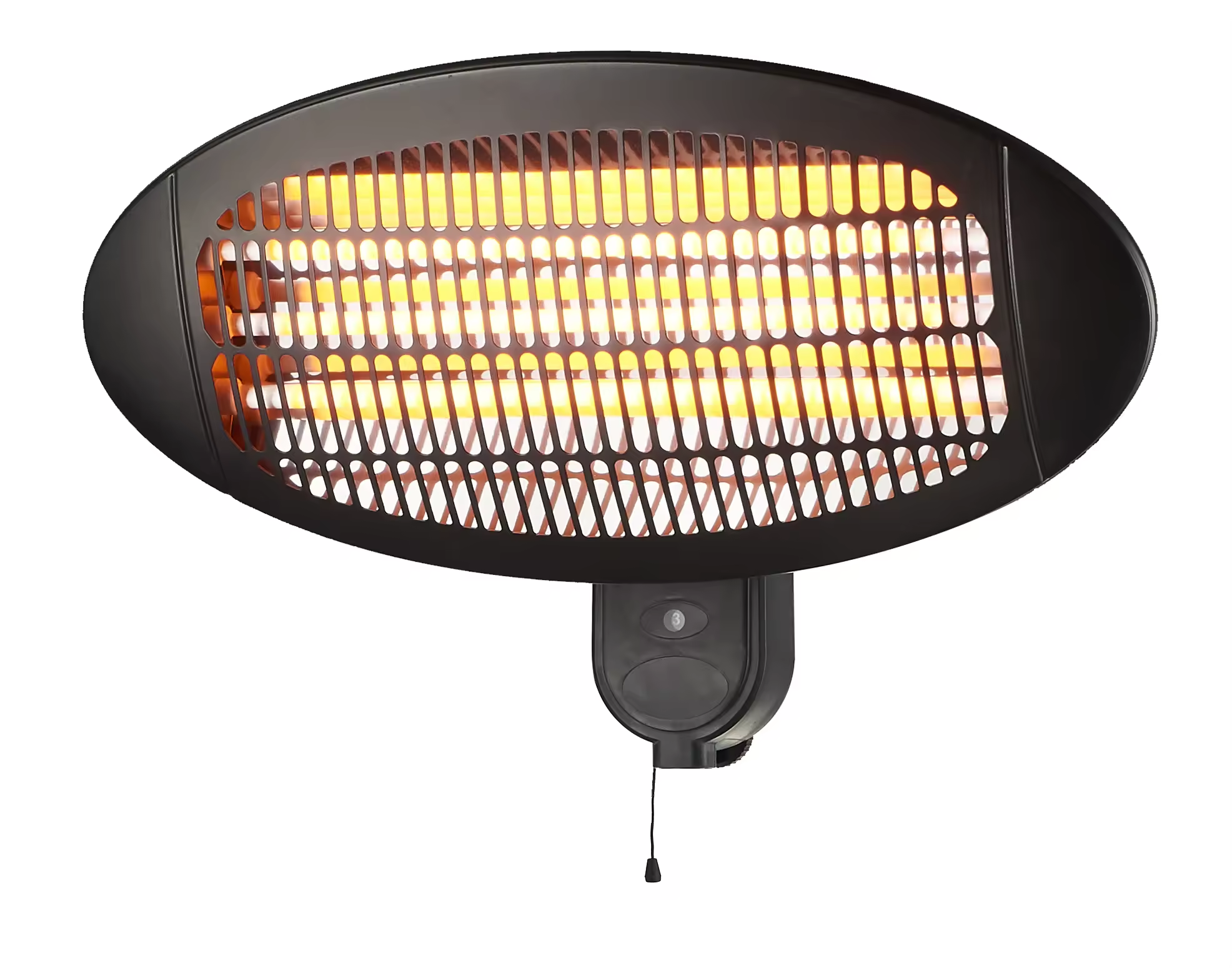
We built the IP66 waterproof infrared heater for the places where water doesn’t make an appointment—it just shows up and stays. Forget the old lamp-style heaters. This one throws directional radiant heat, and the whole unit is wrapped in a housing that can take direct sprays without blinking. It’s the kind of heater you want when you’re upgrading a modern bathroom or running a wet industrial zone where “reliable” isn’t optional—it’s the whole job.
Power, voltage, and output: the quick-heat story
At the heart of it is an infrared element that packs serious heat into a small footprint. You can choose the voltage to match what your space already uses, so it wires in clean—no complicated rework. And the heat? It’s immediate. No waiting around for the system to wake up. You flip it on, and the radiant warmth is there. The IP66 seal isn’t for show. It stops water from getting in, even under high-pressure jets. That matters because it keeps corrosion off the internal connections and protects the element housing. In a humid bathroom or a washdown area, that kind of protection means fewer service headaches and less downtime. One thing to keep in mind: higher wattage density means the enclosure and the mounting area will get noticeably warmer. So plan for heat dissipation and give yourself proper clearance when you install it.
Materials and design: built to stay dry, built to stay steady
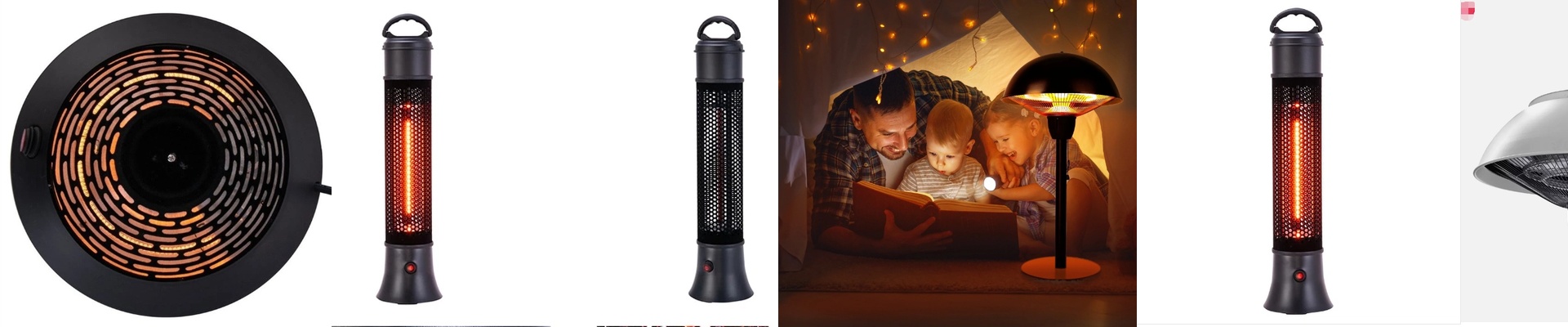
We use a quartz-based infrared element because it holds thermal stability well—consistent output you can count on. Inside, everything is shielded with a protective coating that fights off moisture and chemical buildup. And when it comes to maintenance, the connectors are set up for quick work—no tools, no wrestling with delicate terminals in a wet area. The housing is sealed to IP66 standards, which means the gaskets and seams are rated for constant exposure to water jets. This isn’t “splash-proof.” This is “takes a daily washdown and keeps going.”
Where it shines: retrofits, reliability, and heat you can aim
If you’re an engineer or installer, you’ll like this part: the heater fits into existing mounting footprints with minimal rework. The radiant heat targets floors, walls, and people directly—instead of wasting energy heating air that just runs off. That makes it perfect for spot heating in bathrooms, changing rooms, and wet production areas. You get predictable warmth exactly where you need it, and a sealed build that can handle damp conditions day after day. Spec it, wire it, and run it—without having to redesign the whole room just to make the heater fit.