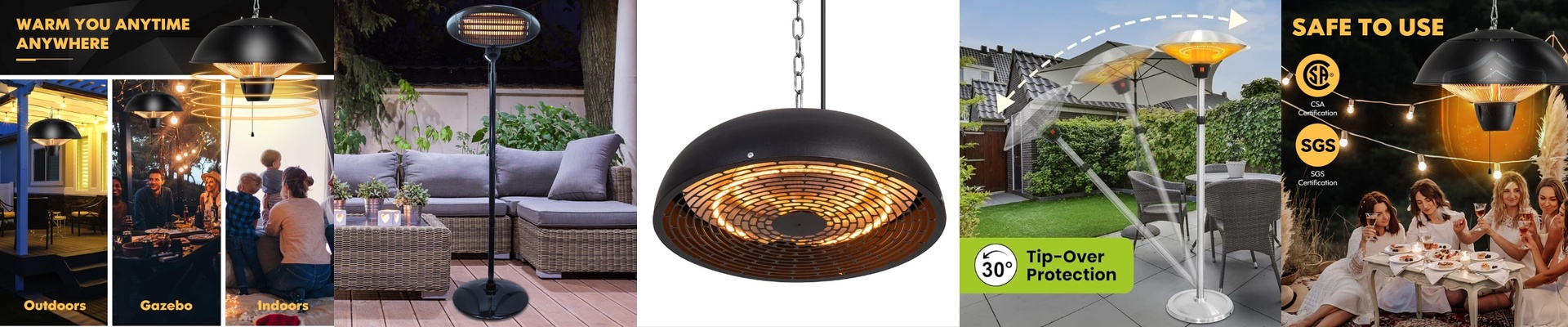
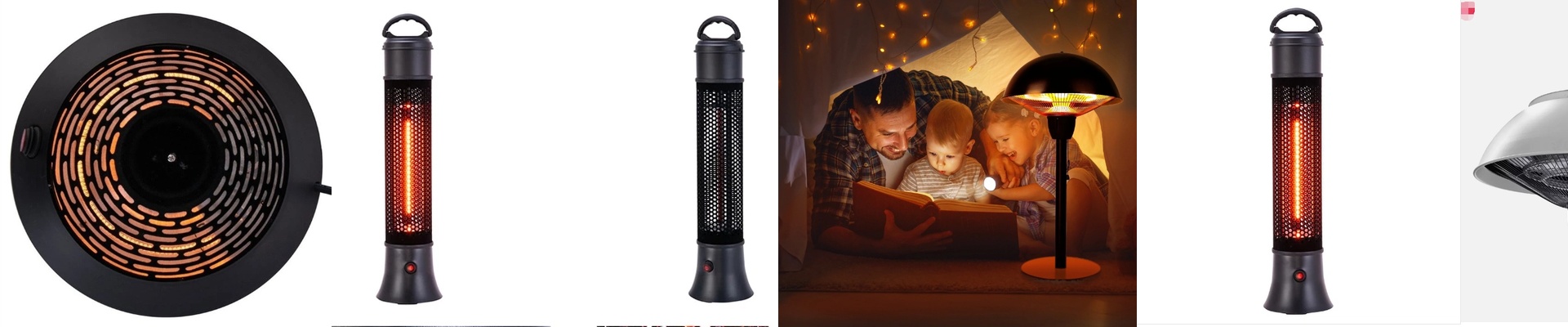
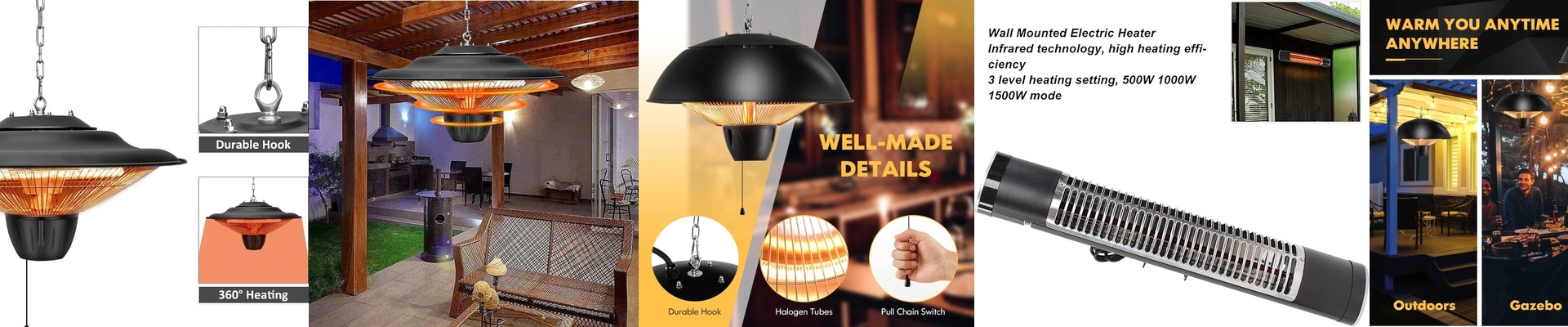
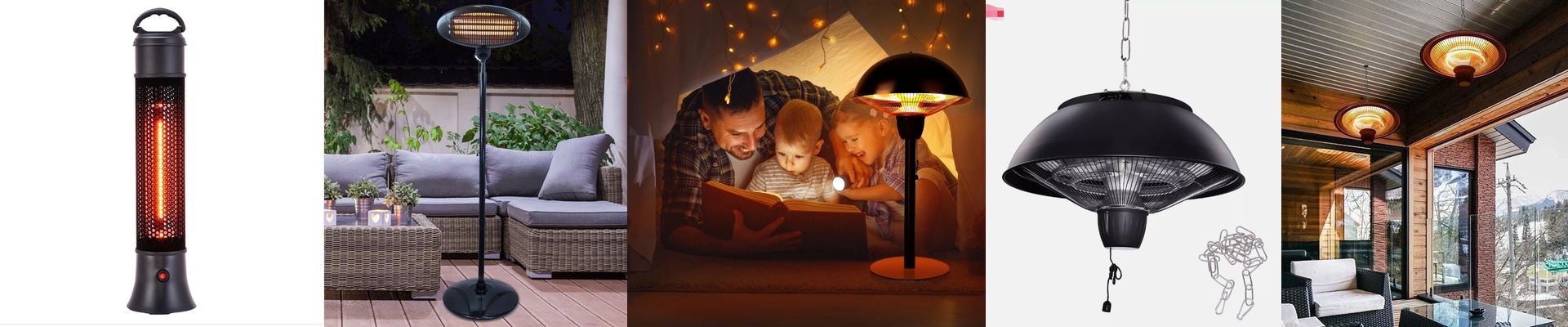

We started our OEM electric heater shop on a straightforward premise: warmth shouldn’t cost an arm and a leg, and it shouldn’t mean cutting corners. Every winter, people need a heater that looks clean, survives season after season, and puts out steady infrared warmth—without the luxury markup.
What actually matters under the hood
We build our infrared heaters around a high-efficiency quartz tube and a tight reflector setup, so electricity turns straight into radiant heat that warms people and objects directly. You feel it fast—no waiting around for the air to slowly warm up. Pick the configuration that fits the job: 120V or 240V, with outputs scaled for small rooms, covered patios, and workshops. A built-in thermostat keeps the temperature from running away, and tip-over protection kills power if the unit gets knocked over. For outdoor use, we design with an IP rating so the heater shrugs off rain and dust—and keeps running when the weather turns ugly.
Why this style of heat fits real spaces
This is the kind of heating that behaves itself—quiet, quick, and low-profile. Indoors, it helps with comfort and takes the bite off cold floors without moving a lot of air around. Outdoors, it makes evenings on the deck, porch, or balcony doable long after sunset. Because infrared heats what it touches, you get warmth where you need it, even when the air is still cold. For brands and buyers, our OEM approach means you get a solid, well-built heater with consistent performance—packaged for your market and ready to go to work.
The practical details that save headaches
Infrared heaters are comfortable, but they perform best when you place them within the recommended distance from people and furniture—close enough to feel the warmth, not so close that anything starts to bake. Keep the surroundings clear, and match the voltage and plug type to what your outlets actually have. If you plan to run a heater for hours at a time, make sure the circuit can carry the load. We build for reliability, and we design for the way homes and outdoor spaces are really used.