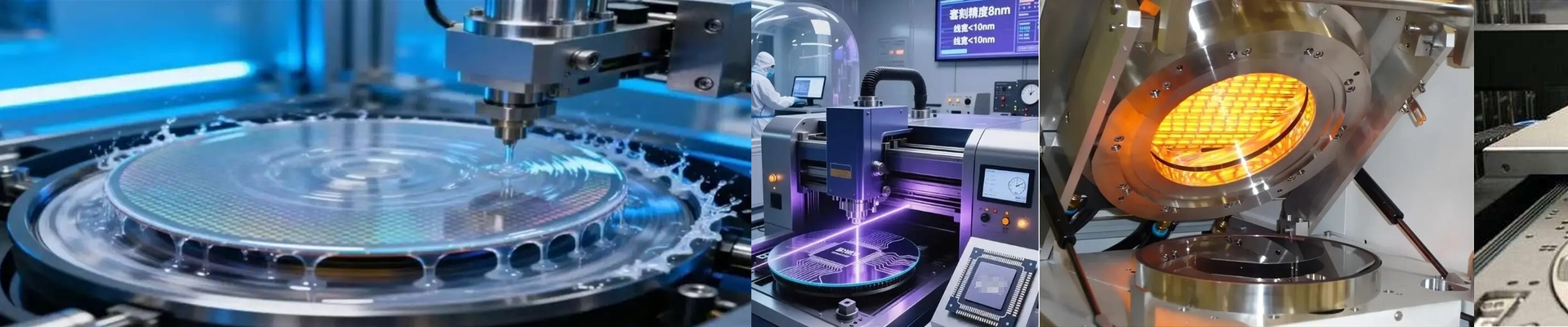
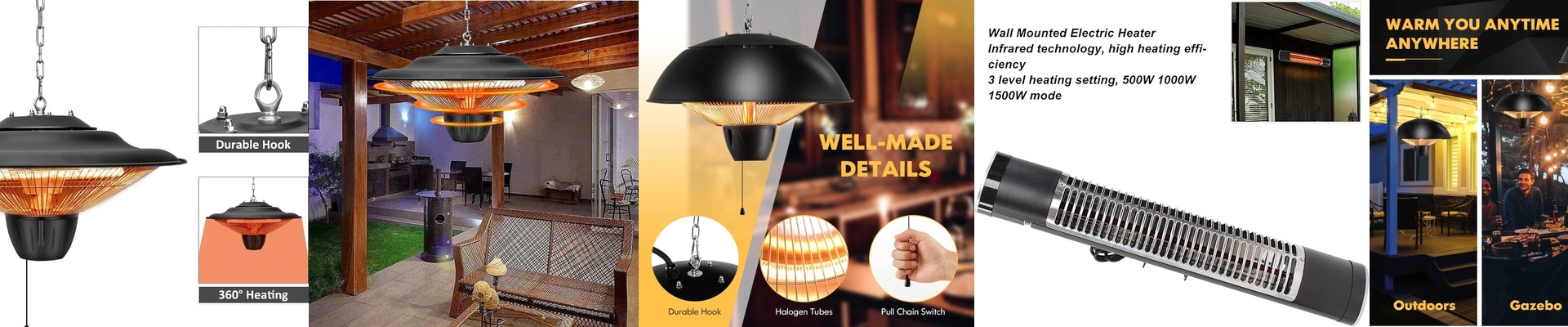
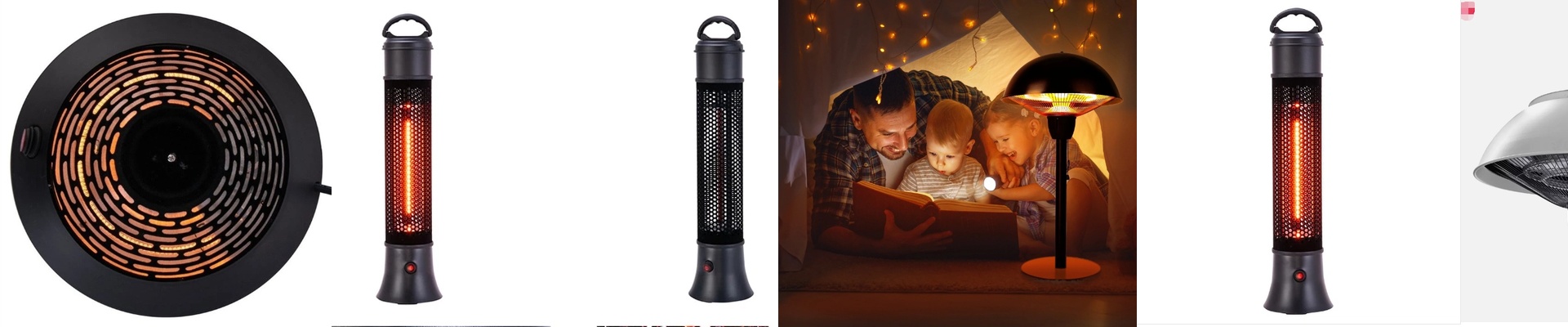
Out on the lithography floor, you know how it goes. A soft bake that’s off by even a fraction of a degree can show up as linewidth variation—and that’s yield walking out the door. You need heat that hits the process card spec, exactly, every single run. TEL heater lamps are built to deliver that consistency.
What matters under the hood
We built the lamp around short-wave infrared, using a halogen element inside a quartz envelope. That gives you rapid, directional energy transfer. The payoff is a sub-millimeter thermal field that hits wafer-level uniformity within tight tolerances, and repeatability that keeps photoresist bake profiles stable, run after run. The temperature control is tight enough to protect thermal budget on advanced nodes, and the response time keeps pace with high-throughput sequences. Cleanroom compatibility isn’t an afterthought, either—materials and construction keep particle generation low and output stable, even when you’re running 24/7.
Why this matters in photoresist processing
In photoresist processing—soft bake, hard bake, and post-exposure bake—temperature uniformity is what shapes critical dimension control and defect performance. TEL lamps cut down hot-spot risk, help suppress edge bead effects, and tighten distribution across the wafer. That means fewer rework lots, less scrap, and qualification cycles that behave themselves. Energy use stays sensible, too: fast ramp-to-setpoint and minimal idle heat keep operating cost in check without slowing throughput.
The practical details you’ll want to get right
Installation comes down to alignment and coolant flow. If those are off, the thermal profile drifts and uniformity takes a hit. The lamp performs best when it’s matched to chamber geometry and the bake recipes you’re running, and it needs scheduled preventive maintenance to keep output stable over long campaigns. Plan thermal mapping during integration, and make sure your process gas and exhaust conditions stay inside the design window.