
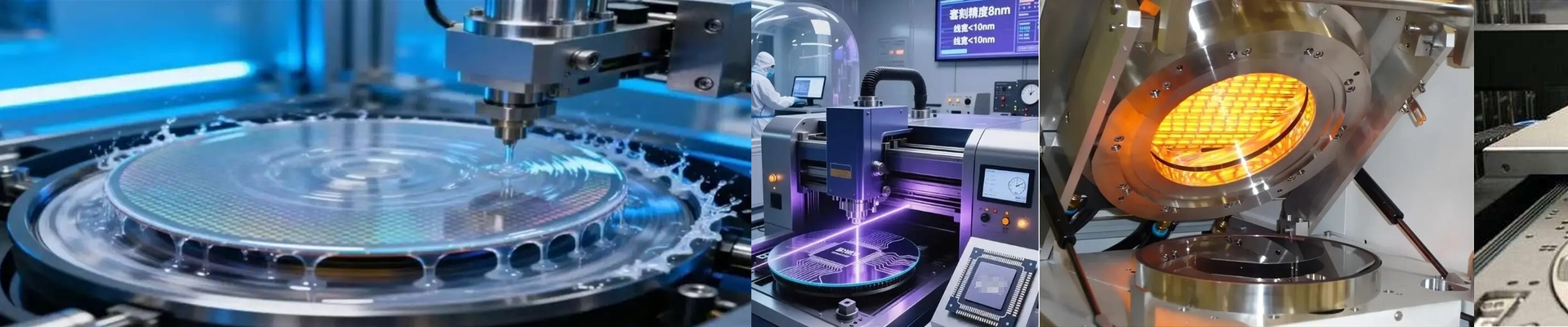
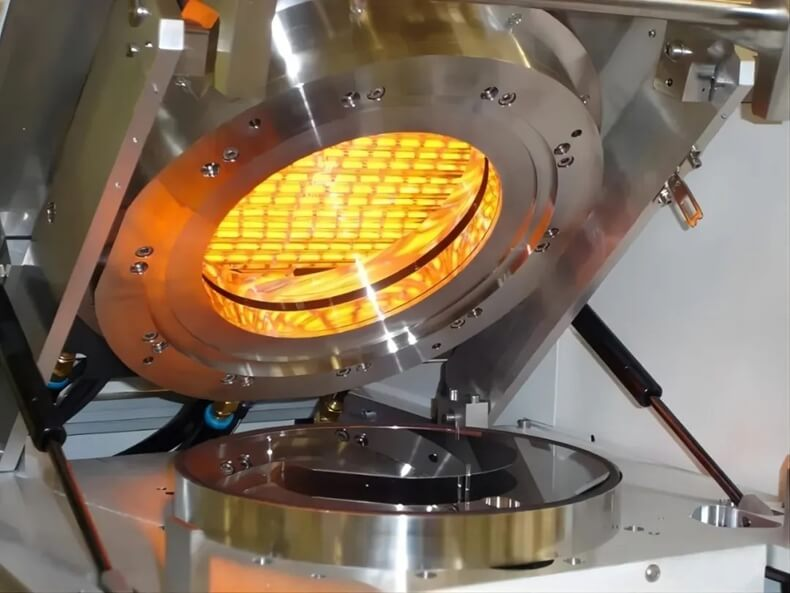
On the fab floor, a tool repair isn’t on the calendar—it’s a scramble. When a coater/track stage, anneal module, or bond head goes down, every idle minute eats into yield and schedule. Use the wrong heat and you risk drift, scorching, and particles you’ll be chasing for days. We built our infrared heaters for exactly that pressure: fast, repeatable heat for tool repair without compromising cleanroom discipline. What matters, technically, is control. We run short-wave infrared with rapid-response quartz elements so temperature stays tight. Across the heated area, uniformity holds within ±0.1°C, and setpoint repeatability matches that tolerance—exactly what you need when you’re stabilizing metal alloys, reflowing interfaces, or curing adhesives in a tool subassembly. These heaters live in Class 1–100 cleanrooms, using low outgassing materials and a sealed optical path to keep particle generation as close to zero as you can get. Control is closed-loop, with a calibrated sensor and an interface that logs time, temperature, and ramp profiles for full traceability. In tool repair, you need heat that behaves. Fast ramp to cut cycle time, then a clean hold without overshoot. Our infrared output does that, which means fewer rework passes and a tighter mean time to repair. Energy draw is lower than bulk hotplates because the energy goes only where the beam is pointed, and the thermal mass is small. Fewer temperature excursions. Fewer scrapped subassemblies. Fewer emergency spares tied up because the thermal process was uncertain. Here’s the thing about setup: mounting and alignment matter. The spot profile is clean, but the beam geometry has to match the joint or part geometry. We supply fixtures and beam-map data so you set it once and move on. Commissioning is short, but only if you respect cleanroom clearance, EMI, and utilities constraints—those are real, and they bite. For sensitive surfaces, run in inert gas during high-temperature dwell to keep oxidation out of the picture.