
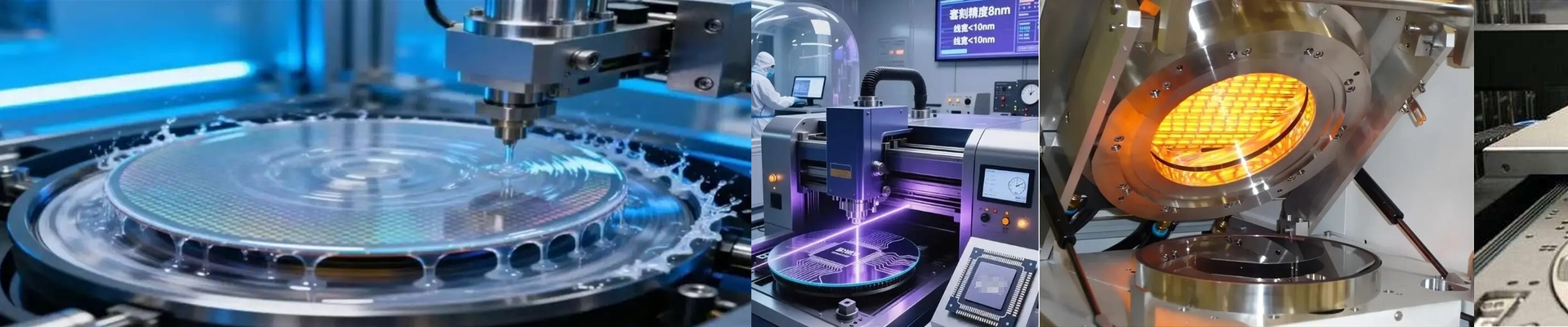
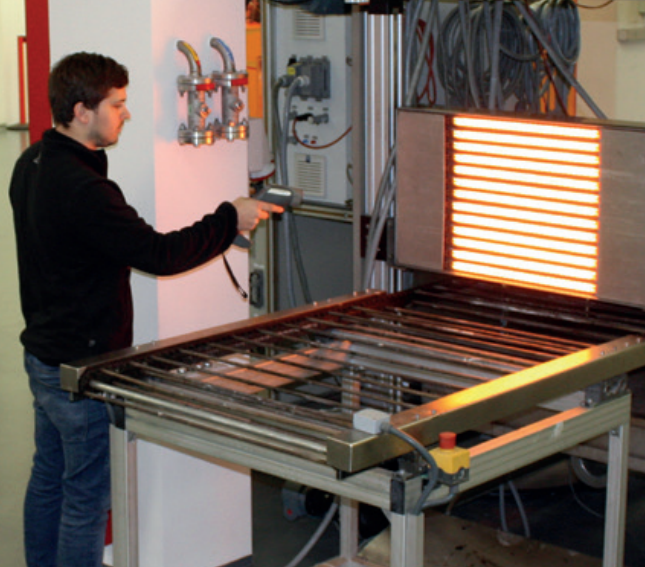
On the fab floor, a 0.5°C drift during the photoresist bake is enough to throw linewidths and scrap a whole lot. Temperature isn’t just another variable—it is the process. That’s why we build our semiconductor machinery spare-part heaters around that reality, holding wafer-level thermal uniformity within ±0.1°C across soft bake, hard bake, and post-apply stabilization windows. What matters under the hood We run short-wave infrared elements with quartz windows and low-outgassing ceramics. That gives you direct thermal coupling, stable emissivity, and a fast ramp with tight steady-state control. Setpoints repeat lot after lot. The packages are cleanroom-compatible for Class 1–100, with sealed terminations and construction that keeps particle generation near zero. Every unit is traceable by serial number, and you get documented calibration data and burn-in records, so you can swap in and run without re-qualifying the thermal budget. Why this works in lithography These heaters were built for the realities of lithography and photoresist processing. You get consistent temperature profiles that protect CD control, cut down on peel and scum, and reduce rework. In production, that means more wafers out the door and less scrap. Energy use drops because the thermal response is efficient and the control loop stays disciplined. Reliability holds up, too—the design tolerates repeated thermal cycling without drift. A few practical notes Matching the heater to the tool matters. Before changeover, confirm mounting geometry, aperture size, and the connector interface. Make sure your controller can handle the element resistance and thermal time constant. High-humidity air and aggressive solvents can accelerate termination corrosion. If you’re running wet-clean adjacent, spec the right protective coating and set inspection intervals. Treat the heater as a calibrated component, not a consumable, and you’ll get repeatable bake performance every time you bring in a spare.