

Why We Torture Our Heaters with Steam
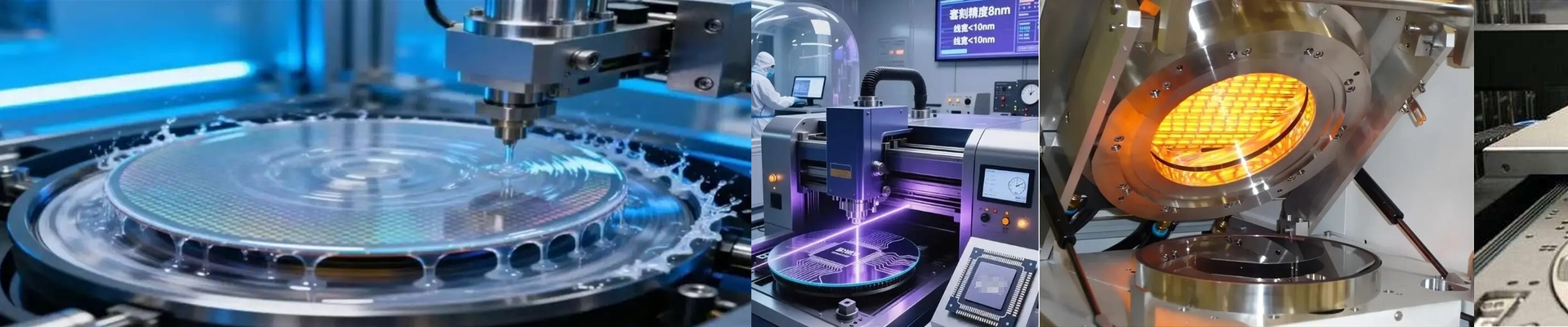
An IPX5 rating sounds great on a spec sheet. It basically means the heater can take a blast of water from any direction without dying. But in a real bathroom? It’s a different story. You’ve got thick steam, crazy humidity, and temperatures that jump up and down every time someone takes a shower. We can’t just trust a seal because it looks good on day one. That’s why we put our infrared units through “damp heat aging.” Basically, we try to break them before they ever leave the factory.
The problem with “waterproof”
Here’s the thing: a seal that works in a dry lab often gives up after a few months in the real world. When the heater turns on, the housing expands. When it cools down, it shrinks. It’s like the machine is breathing. That movement can actually suck moisture right past the gaskets. If that dampness hits the internal wiring or the lamp terminals? You’ve got a short circuit or a dead element on your hands. To stop that, we lock these units in high-humidity chambers at high heat for hundreds of hours. We’re hunting for rust on the contacts or sealant that’s starting to peel. If it shrinks even a little, it’s out.
The heat struggle
Infrared lamps get incredibly hot. When you trap that heat inside a waterproof box, you create a pressure difference that really pushes the seals to their limit. You can’t just slap some cheap rubber on there and hope for the best. We use specific polymers that stay stable and hold their shape, even when the lamp is cranking out peak heat.
Why bother?
Because field failures are a nightmare. Nobody wants a heater that dies because a little steam got inside. It’s a liability and a headache for everyone. By forcing the product to age in a wet, hot environment now, we find the weak spots in the wiring and the housing today. We aren’t just trying to pass a certification test. We want to make sure that five years from now, that heater is still working perfectly in a steamy bathroom.