


Keeping Your Class 100 Cleanroom Actually Clean
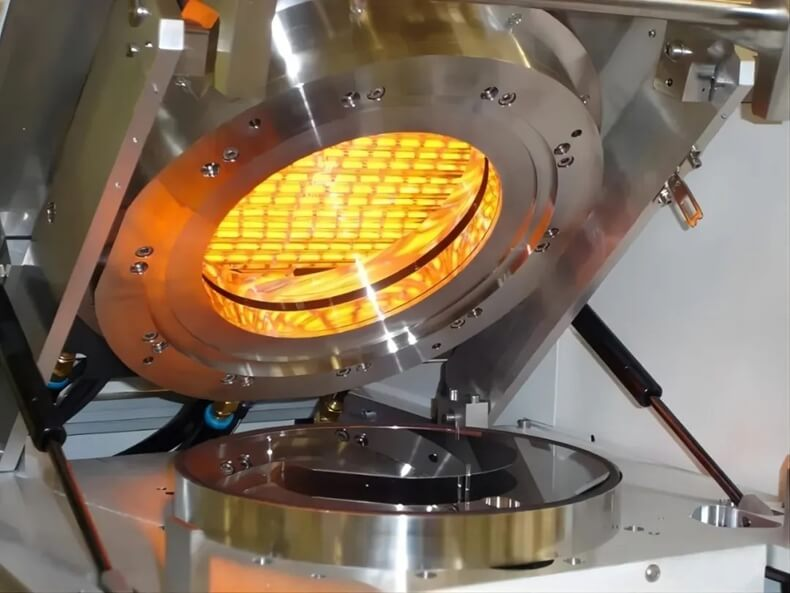
In the world of semiconductor fabrication, a single speck of dust—or even one rogue gas molecule—is enough to trash your entire wafer yield. It’s frustrating. You’ve done everything right, and then one tiny flake of debris ruins the batch. A lot of the time, the culprit is the heating element. Standard heaters tend to “off-gas” or shed particles the second they hit operating temperature. To stop that, we pair high-purity quartz infrared lamps with specific Teflon (PTFE) insulated wiring. Here is why that actually works.
The magic of high-purity quartz
We use synthetic fused quartz for these lamps. It’s a different beast than your standard glass. It doesn’t leak metallic impurities into your environment, and it handles heat without warping or expanding in ways that cause trouble. The best part? These lamps use shortwave infrared radiation. They send energy straight to the substrate without heating up the air around it. This is huge because it stops those annoying convection currents from kicking up floor dust and sending it right into your process zone.
Why we insist on Teflon (PTFE)
If you use PVC or silicone jackets on your wiring, they’re going to break down under the intense heat of an IR lamp. They basically start “smoking” invisible chemicals into your cleanroom. That’s why we go with PTFE-coated wiring. It stays chemically inert. It won’t melt, it won’t smell, and it won’t release volatile organic compounds (VOCs) into your air. You get a wire that can take the heat without polluting the room.
The reality of putting it all together
Fitting these into a semiconductor heater is a tight squeeze. You have to be smart about where the wires go. Keep this in mind: PTFE is tough, but it isn’t invincible. If you run your wiring directly in the line-of-sight of the IR beam, or too close to the quartz envelope, the insulation will eventually char. It’s a slow burn, but it happens. I always recommend a heat shield or a bit of extra clearance to keep the wire temperature under 260°C. Also, check your airflow. If your cooling system isn’t pulling heat away from the electrical terminals, that insulation will degrade over time. Get the airflow right, and these lamps will run clean. No particles, no drama.