



Cutting Carbon in the Cleanroom: Why Vacuum IR Heating Actually Works
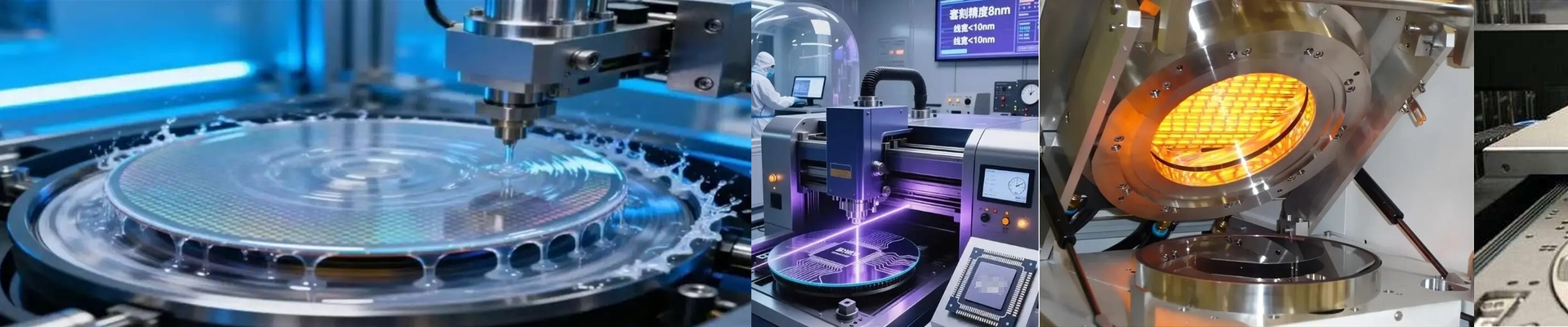
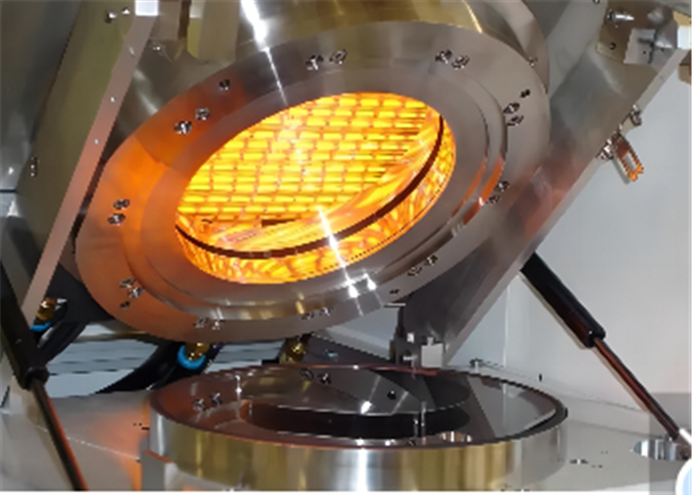
Let’s be honest: semiconductor manufacturing is an energy hog. To keep things from oxidizing or getting contaminated, you’re stuck working in a vacuum, which makes temperature control a total pain. Most people just use resistive heating. The problem? You end up heating the entire chamber just to get the wafer up to temp. It’s like turning on every heater in your house just to warm up a single slice of pizza. It’s a waste. We do things differently. We use vacuum-compatible IR lamps to hit the wafer directly. No wasted heat, no heating the air that isn’t there, and a much smaller carbon footprint for your cleanroom.
The Physics (Without the Textbook)
In a vacuum, you don’t have convection. That means heat doesn’t just “float” around. You’re relying entirely on radiation and conduction. We use shortwave radiation because it actually gets into the material instead of just bouncing off the surface. It’s fast. Really fast. Because you hit your processing temperatures so much quicker, your machine isn’t just sitting there idling at high power. You use fewer kWh per wafer, and your electricity bill reflects that.
The Engineering Headache
Now, here is the tricky part. Standard lamps “outgas.” In a high-vacuum environment, that’s a nightmare. One little leak of impurities and your yield is ruined. To stop that, we use high-purity quartz envelopes and seals that actually hold up. But you have to be careful with power density. Since there’s no air to carry heat away from the lamp housing, things can get dangerously hot.**Don’t skimp on your water-cooling jackets.**If your cooling loop is too small, your lamps will burn out way faster than they should. It’s a simple fix, but it’s the difference between a system that lasts and one that fails every few weeks.
Making “Green” Actually Happen
Moving from bulk heating to targeted IR heating means you aren’t fighting so much thermal mass. It makes hitting those “Green Factory” goals a lot easier because you’re slashing the power needed just to keep things stable. You get the ramp speeds you need for high-throughput work, but without the massive energy waste. It’s a simple hardware swap. No magic, just better physics.