
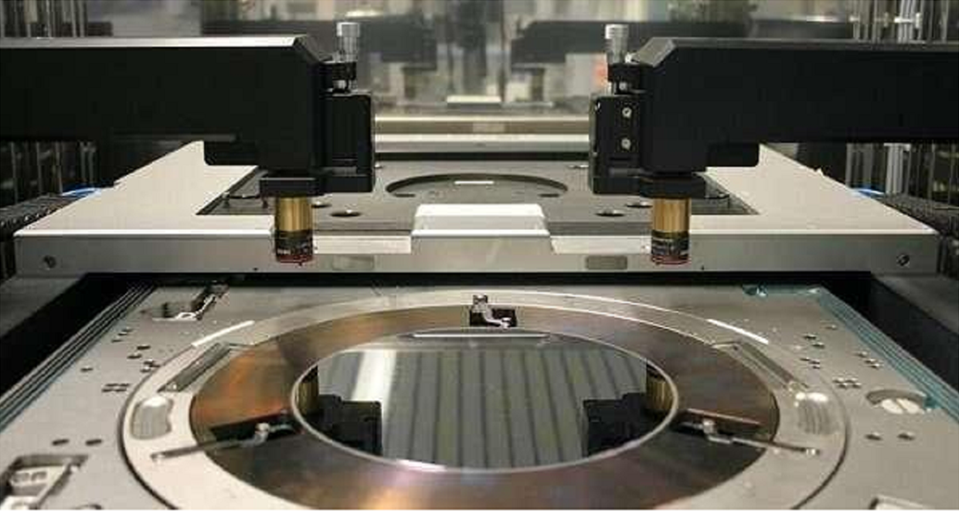
Stop Heating Your Machine Walls
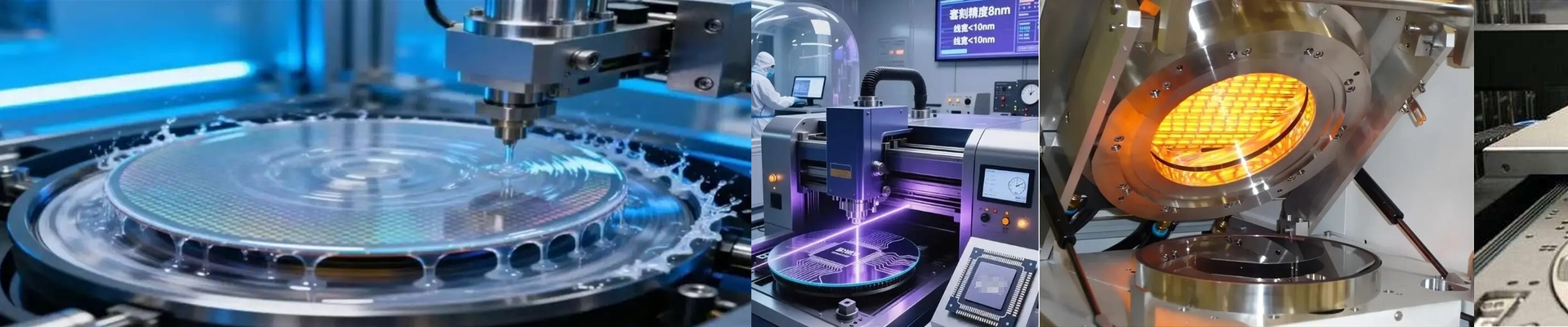
If you’ve ever worked with semiconductor tools, you know the frustration of the “hot wall.” You’re trying to heat a wafer or a substrate, but instead, the entire interior of the machine starts baking. It’s a waste of power. Worse, it makes the chassis a hazard for anyone who has to touch it. The problem is that most heaters just throw energy in every direction. They create a thermal soak that hits everything—including the parts of the machine you don’t want to heat. That’s where directional infrared (IR) lamps come in. Getting the heat where it actually belongs Instead of just flooding the chamber with heat, these lamps use reflectors and specific wavelengths to push energy in a tight, targeted beam. Think of it like switching from a lightbulb to a flashlight. By controlling that angle, we make sure the energy hits the workpiece and stops there. It doesn’t bleed into the machine’s inner skin. Managing the “Thermal Footprint” When you switch to a directional system, you’re doing more than just swapping a bulb. You’re actually managing the thermal footprint of your whole setup. Because the beam is narrow, your non-target components stay cool. This is a huge win for your hardware. Your internal cooling fans don’t have to work nearly as hard, and you don’t have to worry about the machine frame warping or shifting due to thermal expansion. The catch (and how to handle it) There is a trade-off, though. When you tighten the beam, the heat at the focal point gets intense.Really intense. If your target is even a few millimeters off, you risk creating hot spots or just flat-out burning the substrate. This is why your mounting brackets have to be rock solid. If there’s any vibration or if a lamp shifts slightly, your beam misses the mark. And when that happens, your process yield takes a hit. But if you get the alignment right? Your operators are safer, your machine lasts longer, and you stop wasting energy on the walls.