
Stop Fighting the “Hot Wall” Problem
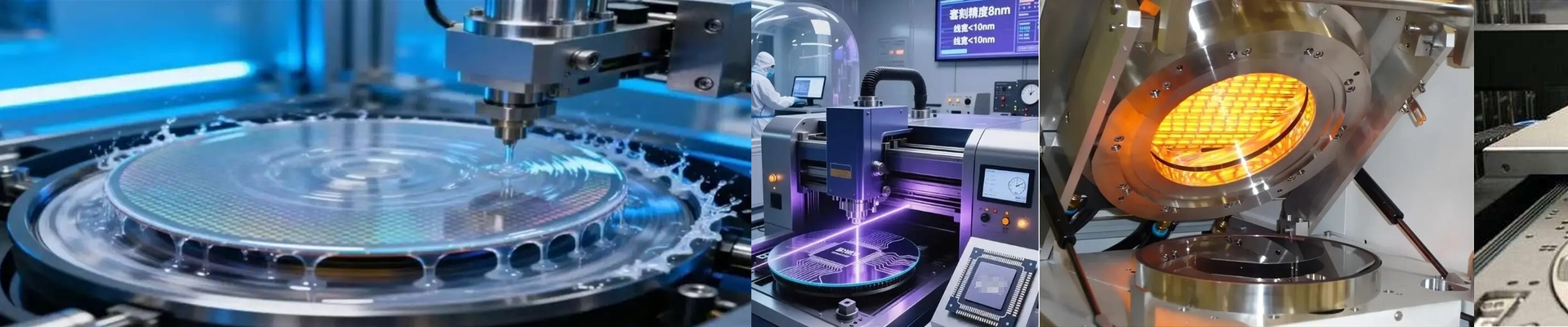
If you’ve ever spec’d out heating for semiconductor gear, you know the real nightmare. It’s not actually getting the wafer up to temp—that’s the easy part. The real pain is trying to stop the rest of the machine from turning into an oven. Standard convection heaters are messy. They just throw heat everywhere. Before you know it, your expensive inner walls are scorching, your operators are risking burns, and your sensitive electronics are drifting because they’re too hot. It’s a mess. Here is how we fix it. We use short-wave infrared (IR) lamps. Think of it like a flashlight, but with heat. Instead of warming up all the air in the chamber, IR sends energy straight to the target. By playing around with reflectors and lamp shapes, we can focus that energy into a tight beam. It hits the workpiece and stops. Since the cabinet walls aren’t in the line of sight, they stay cool. Simple as that. Getting the thermal footprint right When you’re working in a cleanroom, speed is everything. Short-wave IR is great because it penetrates deeper and reacts way faster than long-wave options. You can ramp up your temperatures in a matter of seconds. But you have to be careful. A high-density IR array dumps a ton of energy into a tiny space. If your target material doesn’t have much thermal mass, it’s easy to overshoot your goal. You’ll want a tight PID loop and some fast-acting thermocouples to keep things from spiraling. The practical side of things The best part? You can ditch those bulky insulated shrouds that eat up all your floor space. It keeps the chassis safe to touch and makes the whole footprint smaller. Maintenance is a breeze, too. When a lamp finally gives out, you just pop it out and drop in a new one. Just make sure your connectors are seated tight—nobody wants arcing in a high-voltage setup.