
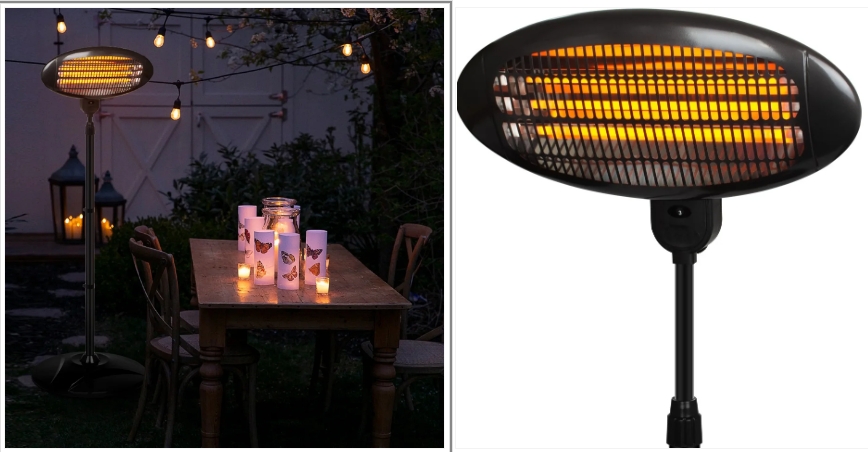
Why Most Bathroom Heaters Die (And How We Fixed Ours)
Let’s be honest: bathrooms are a nightmare for electronics. Between the thick steam and the occasional stray splash from the shower, it’s basically a torture chamber for heating elements. Most heaters just can’t handle it. They rust, they short out, and then you’re stuck shivering in a cold room. We wanted to build something that actually lasts.
Keeping the water out
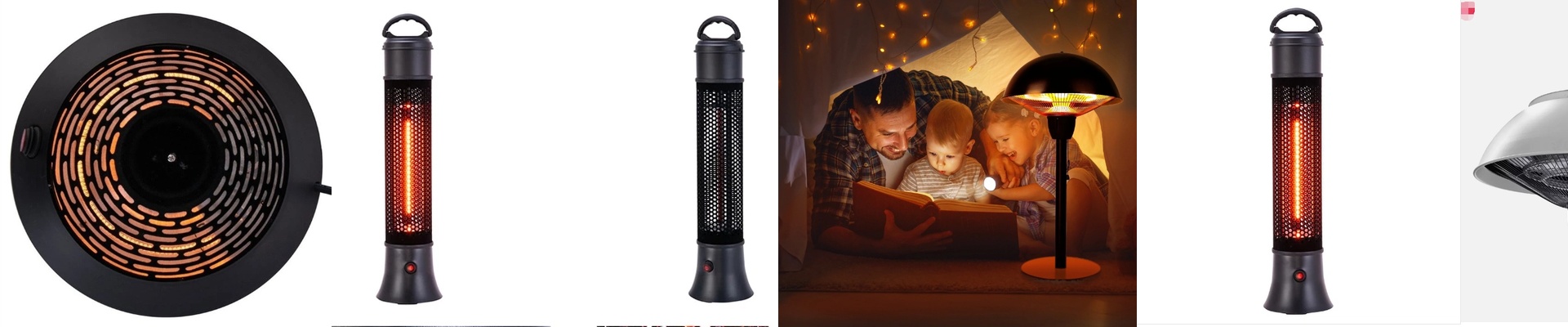
Here is the problem with standard heaters: steam is sneaky. It finds its way inside the housing, settles on the electrical terminals, and—pop—your heater is dead. To stop that, we put a reinforced sealing gasket around the lamp housing. Think of it like a heavy-duty raincoat for the guts of the machine. It creates a physical wall that keeps droplets away from the circuitry. We went with a high IP rating for these, which is just a fancy way of saying you can accidentally spray it with the shower head and not have to worry about a total meltdown.
Dealing with the fog
Then there’s condensation. You know those tiny water beads that form on cold surfaces when the room gets steamy? If those beads drip into the reflector or sit on the quartz tube, they create “hot spots.” That’s a fast track to burning out the element. To fix this, we used a special coating on the housing and reflector. Instead of the water clinging to the surface, it just slides right off. It keeps the heating element dry and the heat steady.
A quick heads-up on installation
Now, there is a trade-off. Because we used these heavy-duty seals, the unit is a bit bulkier. It also traps more heat inside the chassis. Because of that, you can’t just jam these into a tight, recessed alcove. Give the unit some breathing room. If it can’t “breathe,” the internal wiring can get too hot, and that defeats the whole purpose of building something durable. We built these for the long haul. By blocking the moisture and stopping the fog, the infrared tube and electrical contacts actually stay healthy. It means you can stop replacing your heater every couple of years.