

Stop Guessing Your Bathroom Heater Wattage
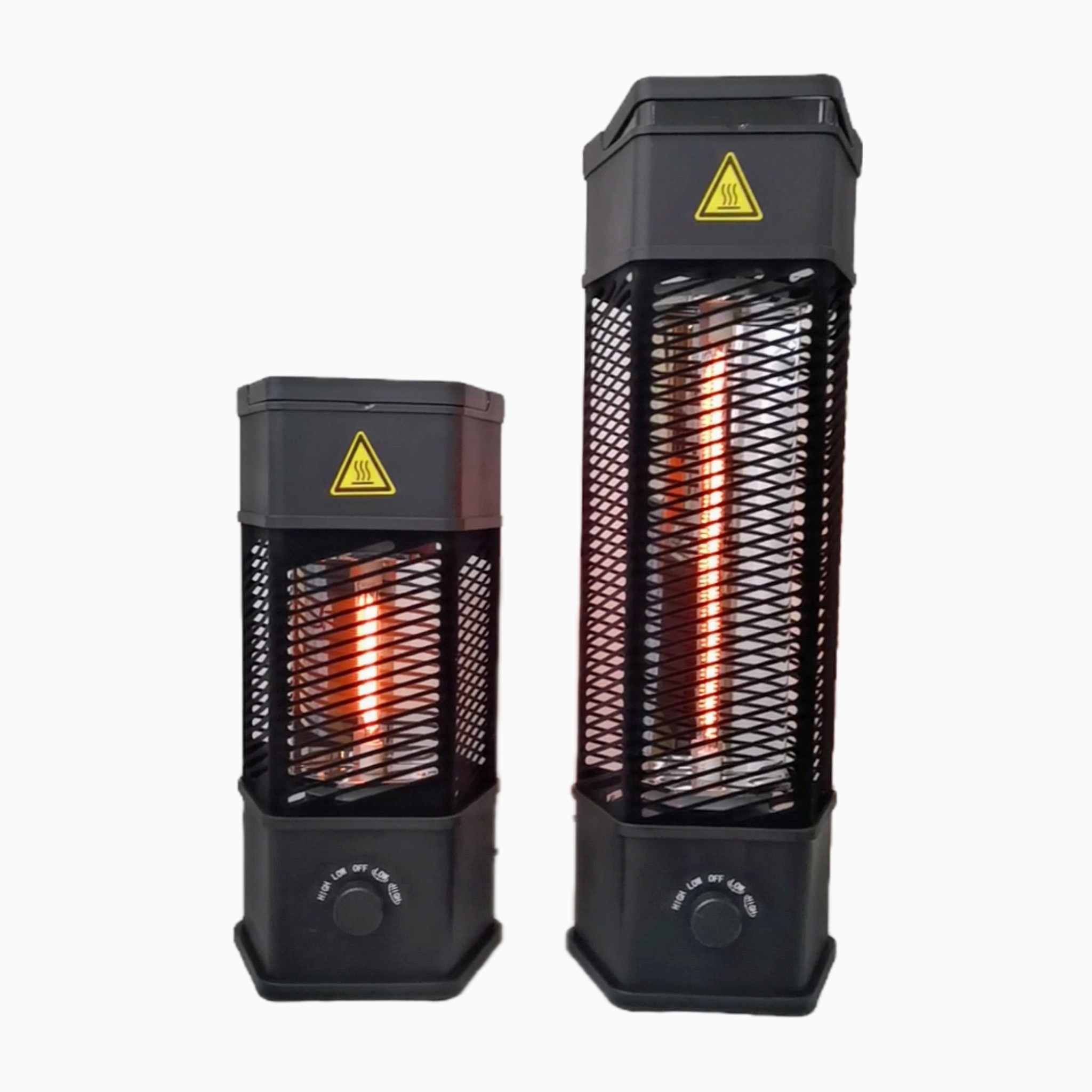
When you’re picking out an infrared lamp, it’s tempting to just grab the most powerful one on the shelf. But here’s the thing: bigger isn’t always better. If you go overboard, you’re just throwing money away on your electric bill and risking a melted fixture. On the flip side, if you go too small, you’ll be shivering in the shower waiting for a warmth that’s never coming. It’s all about the size of the room. For those tiny powder rooms—you know, the ones that are basically a closet—something in the 250W to 400W range is plenty. It takes the chill off the walls without turning the room into a sauna. If you’ve got a standard family bathroom, you’ll probably want to jump up to 600W or 800W. And for those massive master baths? You’re looking at 1000W or more, or maybe a few smaller lamps spread out. The cool part about infrared is that it doesn’t bother trying to heat the air. It travels in straight lines. It hits you and the floor directly. That means you feel warm the second you flip the switch, even if the air in the room is still freezing. But be careful with the high-wattage stuff. A 1000W tube gets seriously hot. If you try to squeeze a beast like that into a small, cheap housing, the reflector can warp or the lamp can burn out way too fast because the heat has nowhere to go. Make sure your fixture is actually built to handle the heat you’re putting into it. If you want to save some cash on power, try this: wire your lamps to separate switches. Instead of blasting three lamps at once every single time, just use one to keep things cozy. Save the full array for those mornings when you really need a rapid warm-up. Since short-wave infrared works almost instantly, there’s no need to turn the heat on 20 minutes before you jump in the shower. Just flip it on, get warm, and kill the power when you’re done. Simple.