


Why We Built Our IP55 Table Heaters to be Modular
When you’re dealing with waterproof table heaters, you’re usually fighting a losing battle between keeping the water out and actually getting the heat where it needs to go. But here’s the real headache: in a busy industrial shop, the cost of the heater is peanuts. The real killer is the downtime. When a heating element pops, everything stops. And if you have to rewire the whole system just to fix one part? That’s a nightmare.
The Waterproofing Trap
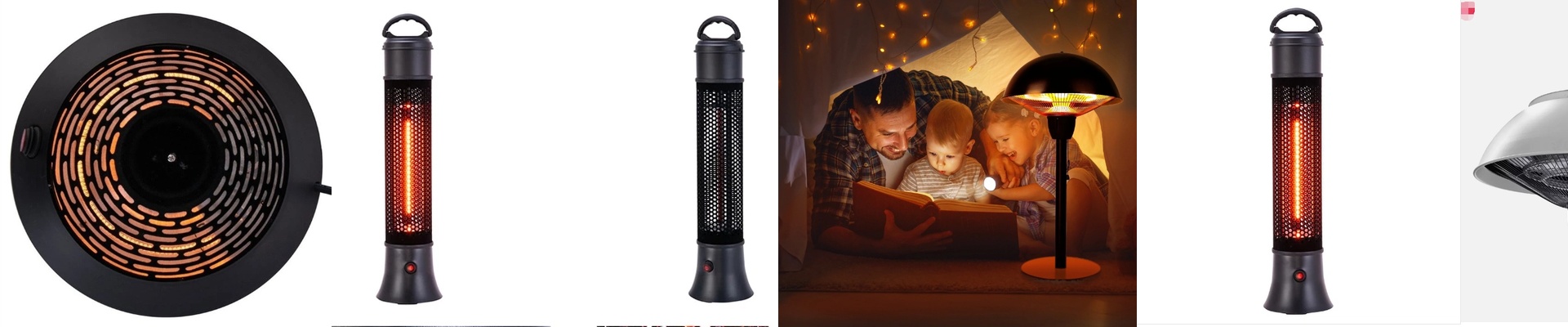
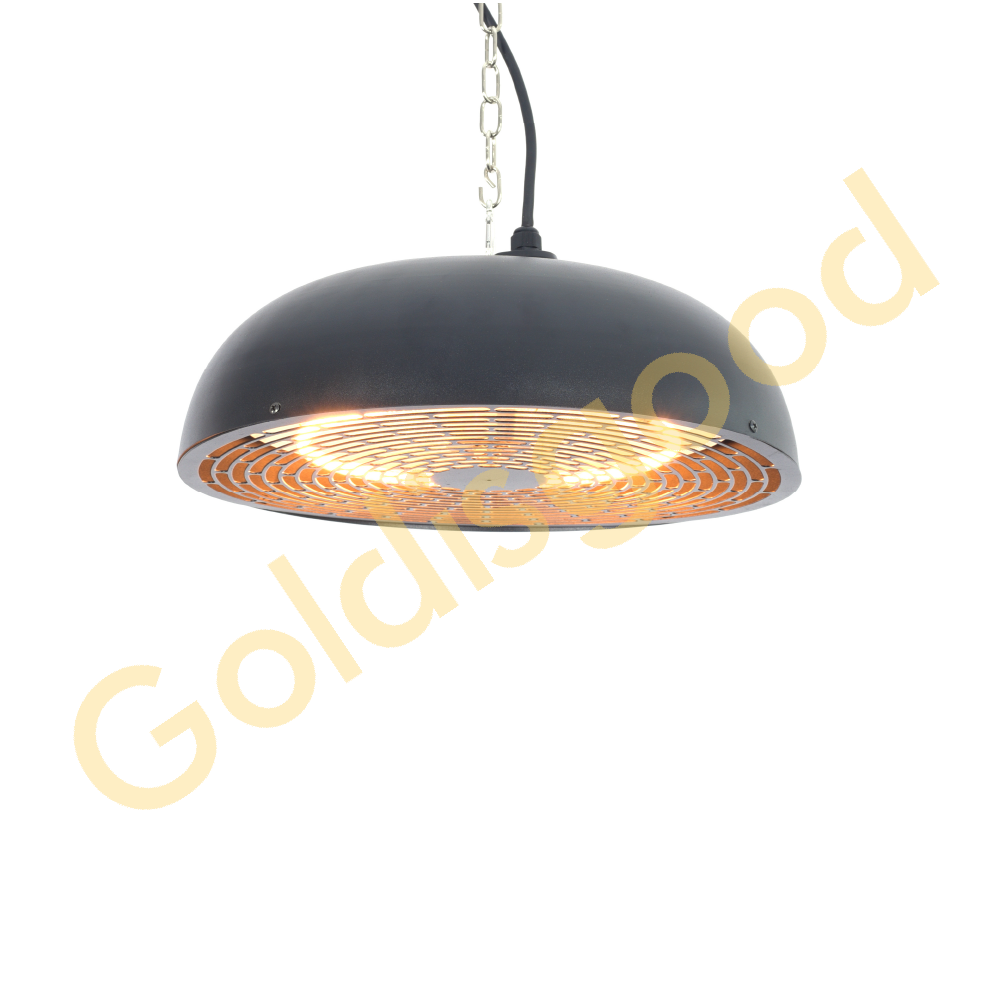
An IP55 rating basically means the unit can handle dust and a decent spray of water without shorting out. To get that, you have to seal everything tight. The problem is, most companies just solder or epoxy everything shut. It works great—until something breaks. Then, you’re stuck. You can’t get inside without destroying the housing, which means you have to toss the entire unit in the trash just because one tube gave up. We decided to do it differently. We used modular cassettes. The waterproof shell stays put, and the heating element inside is just a drop-in piece.
The Five-Year Itch
Let’s be honest: after five years of heating up and cooling down, every filament eventually wears out. It’s just physics. In a traditional system, fixing this is a slog. You’re stripping cables, fighting with crusty, corroded terminals, and praying the new gaskets actually seal. It’s tedious work. With our setup, it’s a different story. You just unscrew the access panel, pull out the dead module, and slide in a fresh one. No fighting with the wiring loom. No swearing at a stubborn screw for an hour.
How it Actually Works
We used quick-connect terminals. They keep that IP55 seal tight, but you don’t need a toolkit the size of a suitcase to use them. A technician can swap a tube in a few minutes and get back to the coffee machine. Just one tip: make sure your new module matches the original wattage and voltage. If you try to “upgrade” the wattage on the fly, you’ll probably trip the relays on your control board. Keep it to the factory specs, and the swap is clean. It keeps the line moving. It keeps the labor costs down. And it saves everyone a lot of stress.