Why Most Outdoor Heaters Die (And How We Stop It)
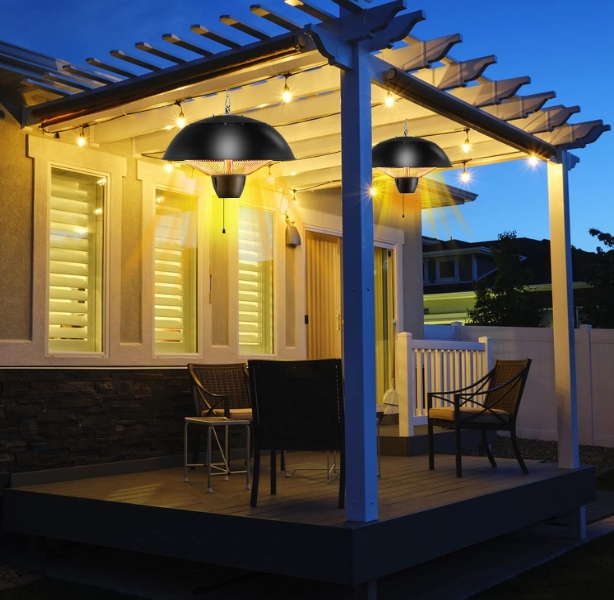
We build infrared heaters for pergolas and bathrooms because, frankly, those are the kinds of places that eat standard heating elements for breakfast. When you put a lamp in a high-humidity spot, you aren’t just trying to stay warm. You’re fighting a constant battle against moisture and rust.
The reality of “Damp-Heat”
Here’s the thing: water vapor is sneaky. It finds its way through sealants. Once that moisture hits the electrical contacts or the seal of the quartz envelope, things go south fast. You get arcing, or the filament just gives up and burns out. To stop this, we put our lamps through a “torture test.” We simulate years of rain and steam in just a few weeks by swinging the temperature and humidity wildly. If a seal is going to leak or a coating is going to peel, we want it to happen in our lab. Not on your customer’s ceiling.
The nitty-gritty on waterproofing
We use high-grade quartz glass and seals specifically made to keep moisture out. Most of the time, the failure happens right where the wiring meets the lamp. It’s the weakest link. That’s why we obsess over those joints, stress-testing them in saturated conditions to make sure the IP rating actually means something in the real world. We also use special coatings so the quartz doesn’t get etched or cloudy from the humidity.
The balancing act
High-wattage lamps feel great—they give you that instant blast of heat. But that heat causes the materials to expand. You can’t just slather some glue on a lamp and call it “waterproof.” The seal has to breathe. It has to flex and move without cracking. If you cram a lamp with too much heat density into a tight space, that thermal stress will eventually chew through the moisture barrier. It’s a delicate balance. We tweak the wattage and the seal materials until we’re sure the unit can survive a brutal winter without leaking.