

Stop Your IR Lamps From Ruining Your Wafers
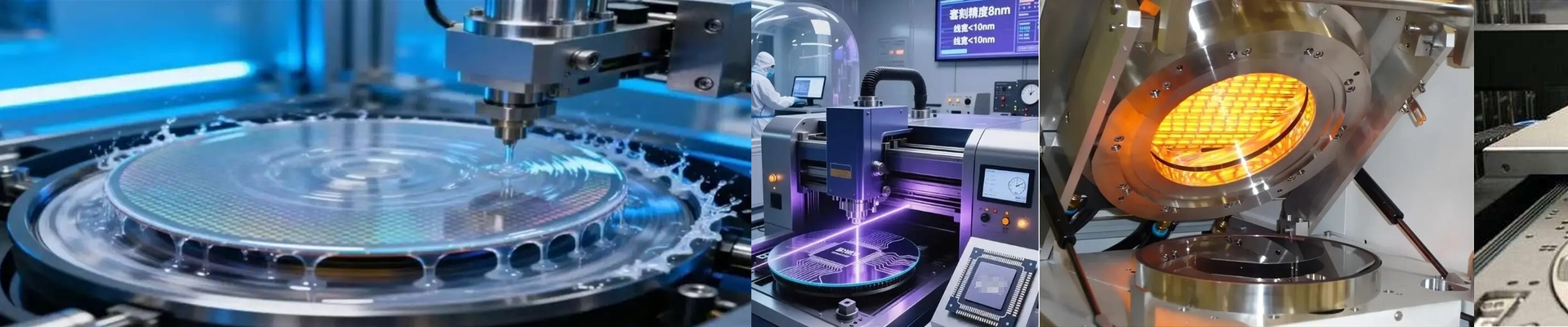
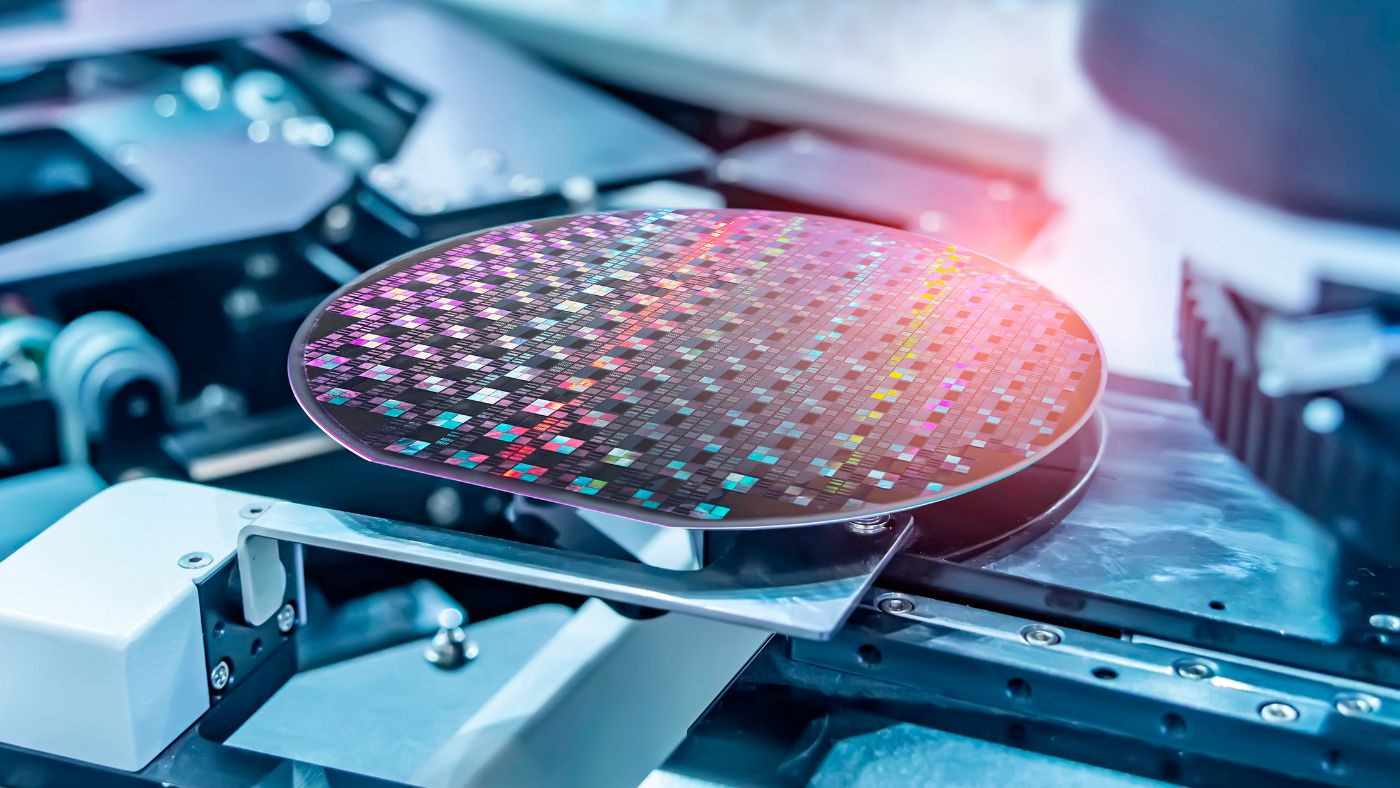
If you’re running a high-load wafer line, you know the nightmare. An infrared lamp bursts. It’s not just about the downtime—it’s the mess. When a quartz tube goes, you’ve got glass shards and tungsten filaments raining down right onto your silicon. One pop, and your entire batch is trash. We’ve spent a lot of time designing our controllers and lamp assemblies specifically to make sure that never happens.
Dealing With Thermal Stress
Most lamps fail because of thermal shock. They just can’t handle the sudden jump in temperature. That’s why we don’t use a basic on/off switch. Our digital controllers handle the ramp-up and ramp-down phases carefully. By modulating the power, we keep the quartz from expanding too fast and cracking under the pressure. We use high-purity fused quartz because it handles the heat better, but physics is physics. If you push 2000W through a short tube, the ends are going to get scorching. To fix that, we added reinforced end-caps to spread out the stress. Just a heads-up: make sure your cooling fans are synced with the controller’s output. If they aren’t, you’re going to burn through your seals.
Keeping Things Clean
To stop “secondary pollution” (or just plain old debris), we put a physical wall between the lamp and the wafer. We house everything in a protective sleeve made of quartz or stainless steel. If a lamp bursts, the sleeve catches the glass. The wafer stays untouched. We also built in a fail-safe monitoring loop. The controller keeps an eye on the lamp’s resistance in real-time. If it sees a spike or a sudden drop—which usually means a filament just snapped—the system kills the power to that zone instantly. This stops the other lamps from trying to “pick up the slack” and blowing out in a chain reaction.
The Trade-off
Here’s the catch. Adding those protective sleeves does block a small bit of the IR transmission. You’ll probably need to nudge your power settings up a bit to keep your drying cycles on track. But honestly? It’s a small price to pay. I’d much rather spend an extra few seconds on a cycle than lose a $100k wafer lot because of one shattered bulb.