
Why we’re ditching forced air for IR in semiconductor gloveboxes
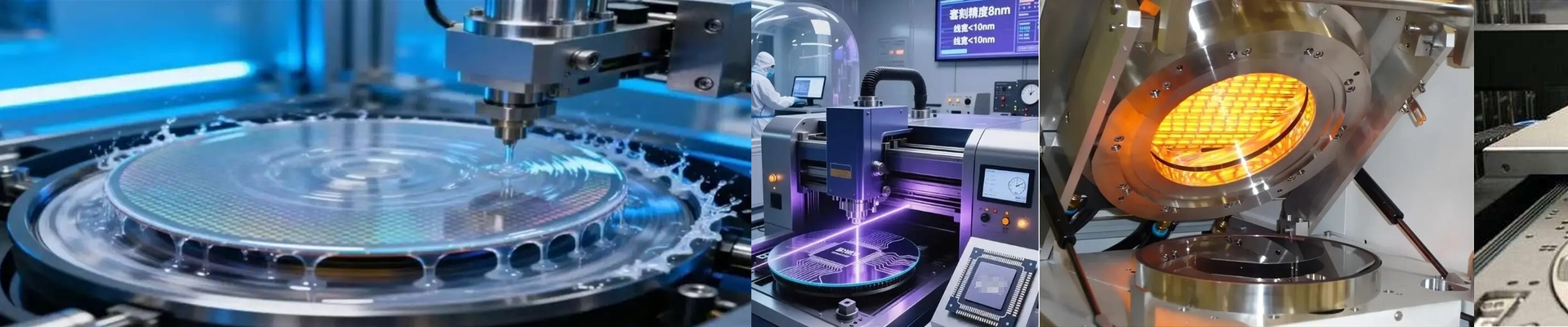
If you’ve spent any time in deep processing, you know the frustration of waiting for a glovebox to heat up. The old way—using forced air—is a slog. You’re basically trying to heat up every single molecule of argon or nitrogen in the chamber just to get your workpiece to the right temperature. It’s slow. It’s inefficient. And honestly, it’s a waste of time. That’s why we’re seeing a big move toward Infrared (IR) heating. Here’s the trick: IR doesn’t care about the gas. It doesn’t waste energy warming up the air. Instead, it sends energy straight to the target surface. Think of it like sunlight hitting your skin on a cold day; the air is freezing, but you still feel the heat. It turns hours of waiting into a few minutes. When we design these IR elements, we focus on power density. We use short-wave IR because it reacts almost instantly. You flip a switch, and you’re at peak temperature. Plus, you can get rid of those clunky blowers and all that annoying ducting. Your equipment footprint shrinks, and your workspace actually feels open again. But it’s not all magic. There are some things you have to watch out for. Since IR travels in a straight line, you can run into “hot spots” if your part has a weird shape. You don’t have a breeze of hot air to smooth things out for you. You have to be smart about where you place the elements or use reflectors to spread the heat around. And a word of caution: don’t go overboard with the wattage without proper shielding. If you do, you’ll end up baking your glovebox seals, and then you’ve got a vacuum leak on your hands. Not a fun day for anyone. At the end of the day, this is all about the “time cost” of your batch. Nobody likes standing around waiting for a chamber to soak. In a high-throughput line, cutting that thermal lag by 40% is huge. It’s the difference between actually hitting your quota and staring at a clock while you fall behind. We build our elements to fit into those tight glovebox clearances without breaking a sweat, keeping the output steady so you can just get the job done.