


Keeping Your Gold-Coated IR Lamps from Failing (and Saving Your Wafers)
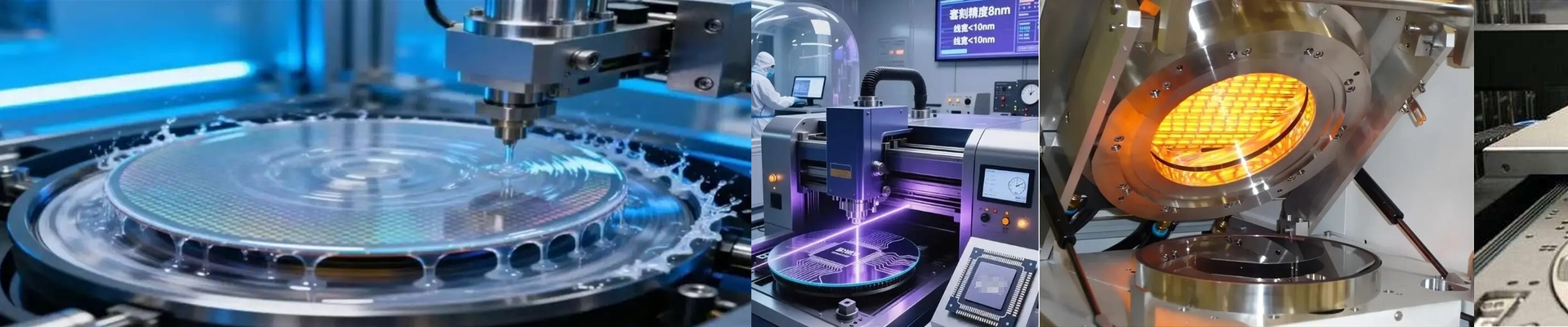
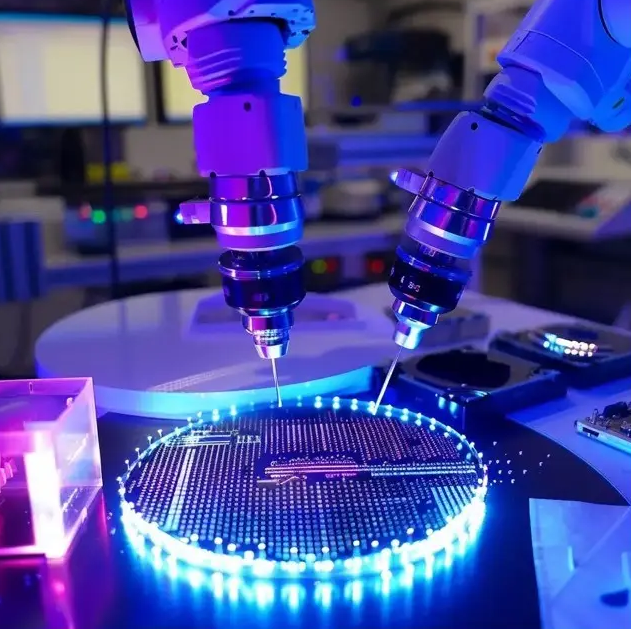
When you’re working in semiconductor fab, you need heat—and you need it to be precise. That’s where our gold-coated shortwave infrared lamps come in. We use a thin layer of gold to bounce as much thermal energy as possible right into the wafer, rather than letting it bleed out into the chamber. Why the gold? It’s not about making the lamp look fancy. It’s about physics. The gold layer tweaks how the quartz tube emits heat, pushing it into the specific infrared bands that your materials actually soak up. It means you hit your target temperatures faster. We use high-purity quartz for the tubes because, frankly, the heat density is so intense that anything less would just warp. The nightmare of electrical leaks Here is the scary part: in a semiconductor tool, one tiny electrical leak can scrap an entire batch of wafers. That’s a massive waste of time and money. Because of that, we don’t guess. We put every single lamp through voltage withstand and insulation resistance tests before they ever leave our floor. We basically stress-test the electrical path with high voltage to see if the insulation holds up. If a lamp fails? It goes in the trash. Period. We’d rather scrap a lamp here than have you deal with arcing or short circuits once you’ve wired it into your power supply. The trade-offs you should know about These lamps put out a ton of heat. A lot. Because of that, you have to make sure your cooling manifolds are up to the task. If your airflow is too low, the lamp starts overheating its own electrodes. That’s a quick way to kill your filament and shorten the life of the lamp. We also spend a lot of time obsessing over the gap between the heater and the grounded chassis. We keep those tolerances tight to stop parasitic capacitance. It sounds technical, but it basically means you get a stable heat source that won’t mess with your sensor readings. No ghosts in the machine. Just steady, reliable heat.