

Getting Your MEMS Wafers Dry Without Breaking Them
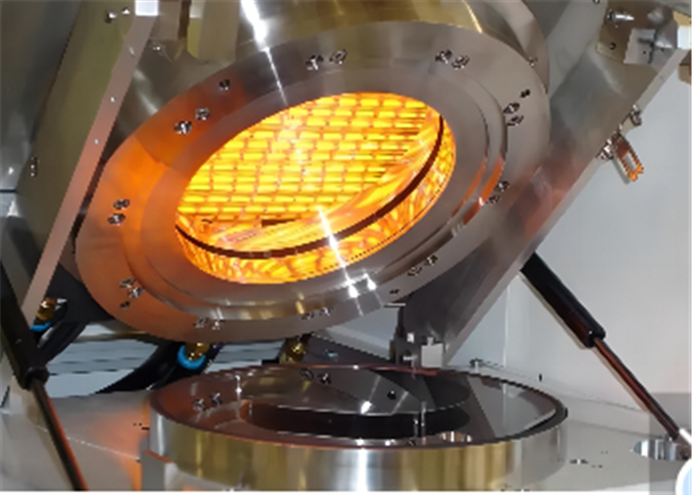
Drying MEMS sensor wafers is a bit of a tightrope walk. You need the water gone fast, but if you get too aggressive, you’ll wreck those fragile micro-structures. To nail that sweet spot, we use infrared heaters paired with gold-coated reflectors. The goal is pretty straightforward: stop wasting power and make sure every single photon actually hits the wafer.
Why the Gold?
Most people default to aluminum reflectors, but here’s the problem: aluminum sucks up a lot of infrared energy. We go with high-purity gold because it’s incredibly efficient at bouncing near-infrared light back where it belongs. It’s not just about reflecting, though. By pairing a gold layer with a precise parabolic curve, we can basically “aim” the heat. You get a concentrated beam of energy hitting the wafer, which means you don’t have to crank the voltage on your lamps to get the job done. It’s smarter, not harder.
Balancing Power and Heat
When you’re setting these up, it’s all about the trade-off between speed and safety. Sure, high-wattage lamps are great for keeping a high-volume line moving. But they put out a massive amount of heat. If your chassis cooling isn’t dialed in, that heat just sits there. Before you know it, your temperature setpoints start drifting and you’re risking a warped wafer. It’s a headache you really don’t want.
Keeping Things Running
We built these units to be swapped out quickly. No one wants the line down for hours. The reflectors are aligned perfectly with the lamp axis so you don’t end up with “cold spots” across the wafer. Just a heads-up, though: gold is picky. If your fab has a lot of corrosive vapors, those coatings will degrade. You’ll either need to shield them or keep a close eye on them. And please, be careful when cleaning. Use the right solvents. One wrong scrub with a rough cloth can scratch the surface, and once that focus is gone, your efficiency goes right along with it.