

Let’s Talk About Your Wafer Curing Setup
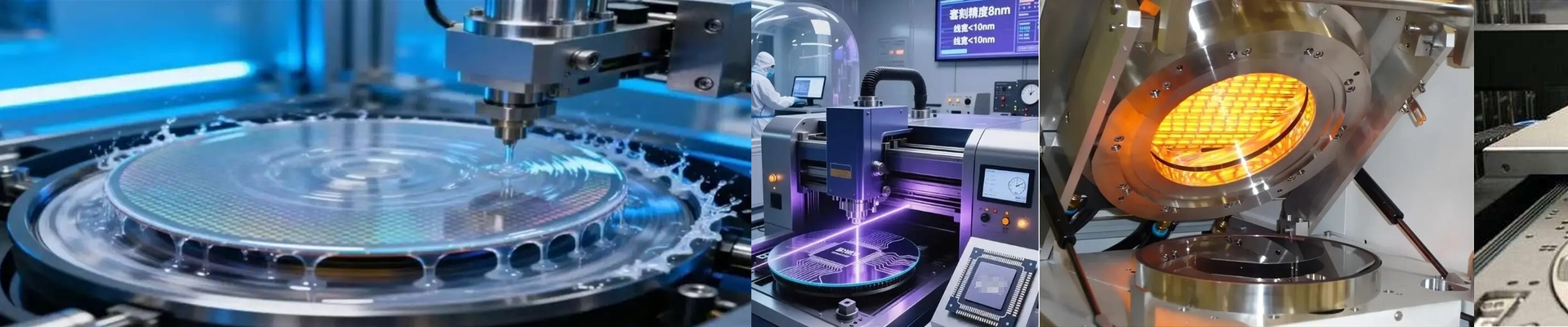
Here is a secret most people miss: the lamp is only half the battle. You can have the most expensive IR lamp in the world, but if your reflector is an afterthought, you’re basically throwing energy away. Most of that heat just leaks into the machine chassis, which is a waste of power and a headache for your cooling system. If you’re trying to build a smart Fab where every data point matters, you have to start with controlling exactly where that heat lands. Getting the energy where it actually belongs We don’t just “bounce light” around. We’re talking about managing shortwave and medium-wave IR. By using things like gold-coated substrates or high-purity aluminum, we keep the energy from getting absorbed by the reflector itself. The result? A much tighter heat profile. You stop seeing those annoying “cold spots” on the wafer edges—the kind of tiny inconsistencies that usually lead to a batch of failures. Making it “Smart” Digitalization sounds fancy, but in a Fab, it’s really just about visibility. When you pair a great reflector with a precise lamp, you can actually map the thermal footprint of your curing zone. It changes how you troubleshoot. If your sensors show a temperature drop, your first instinct might be to just crank up the power. But don’t do that. Instead, check if the reflector geometry is still keeping the focus tight. It saves your power supplies from working overtime. The honest trade-off Now, here is the catch. High-reflectivity coatings are a bit moody. They give you incredible heat density, but they hate contamination. If you’re working in a harsh chemical environment, you’ve got to be religious about your cleaning cycle. Once the surface gets pitted or dirty, your thermal uniformity just tanks. It’s a delicate balance. Why the shape matters We obsess over the geometry—whether it’s a parabolic or elliptical curve—to make sure the energy hits the wafer at the perfect angle. When you get this right, something cool happens: you can actually drop your overall wattage and still cure at the same speed. Your Fab stays cooler. Your cooling fans don’t have to scream at 100% just to keep your electronics from frying. It’s quieter, more efficient, and just… easier.