
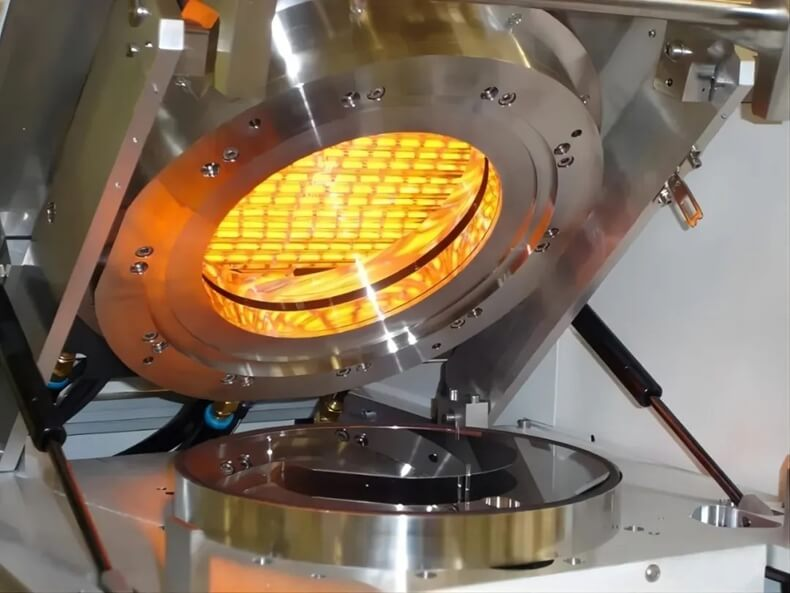
Keeping Things Safe When Heating Wafers in Chemical Baths
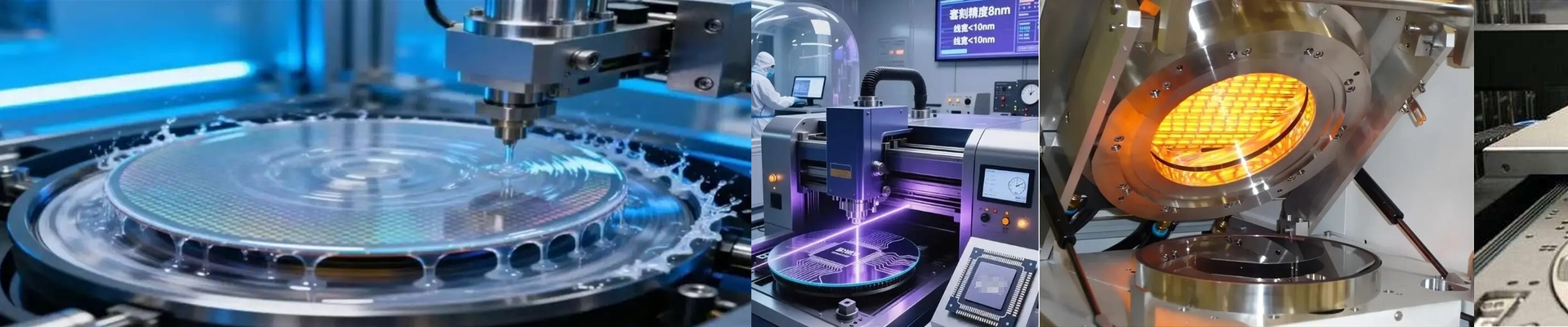
Let’s be honest: heating wafers while they’re soaking in volatile, flammable solvents is a nerve-wracking job. One tiny spark or a leaky heating element, and you’re not just looking at a broken machine—you’re looking at an explosion. That’s why we don’t take any chances with how we seal our IR heating lamps.
How we actually seal the thing
We don’t just wrap the lamp and call it a day. We use a hermetic seal that completely cuts off the electrical guts from the air around them. We fuse the quartz envelope directly to a chemical-resistant flange. Why? Because corrosive vapors are sneaky. They love to seep into the lamp base and eat through your wiring or trigger a short circuit. Then, we add specialized potting compounds at the ends to block out moisture and gas. If you’re working with aggressive solvents, this seal is the only thing standing between your hardware and a total burnout in a few weeks.
Getting the temperature just right
Precision is everything here. You need a tight temperature window, or you’re in trouble. Our lamps use short-wave radiation. It’s a smart way to make sure the heat actually hits the wafer surface without boiling over the rest of your chemical bath. We also balance the wattage carefully. You don’t want “hot spots” messing with the chemistry of your cleaning agent. Just a heads-up: high-density IR output makes the housing get hot. Make sure your cooling fans or heat sinks are up to the task so the outer shell stays well below the flash point of your chemicals.
Real-world reliability
These lamps are designed to be drop-in replacements for your standard heating arrays. The best part? Because the safety is built directly into the lamp’s physical shell, you don’t need those massive, clunky explosion-proof chambers. Your footprint gets smaller, and your maintenance gets a lot faster. We’ve seen these units take a real beating in acidic environments and they just keep humming along, delivering consistent wattage every time.