

Introduction
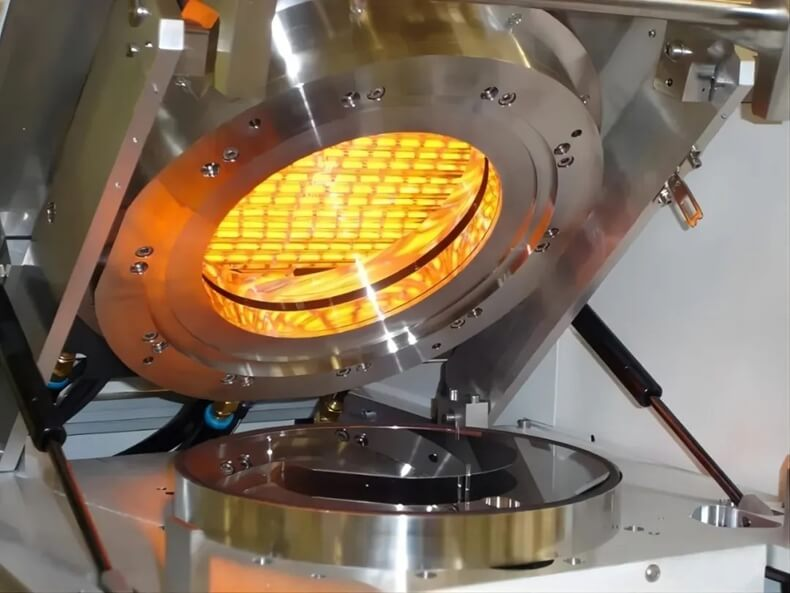
Let’s get straight to it. On a semiconductor line, time is money. Waiting around for a big, clunky hot-air system to cycle up is just burning cash. So, we built something different: a ceramic end cap IR emitter. It’s a direct, high-intensity heat source. It gets the job done—drying, curing, treating—fast. No more waiting for air to heat up. Just pure, focused power when you need it.
The Nitty-Gritty
Here’s the core of it: this is a shortwave IR emitter, designed to get hot, fast. We packed a ton of power into a small tube. It delivers the heat you need without taking up a ton of space. And we make sure it plays nice with your setup. Whether your line runs on 400V or another industrial voltage, the lamp matches it. No need to rewire the whole station. The 300mm length? That wasn’t an accident. It focuses the heat right where you need it—on the work zone. You get consistent, repeatable coverage without worrying about overheating parts next door.
What’s Inside
That ceramic end cap isn’t just for looks. It’s the unsung hero, handling the brutal stress of rapid on-off cycles. It protects the lamp ends where the glass meets the terminals, taking the thermal shock so the rest of the system doesn’t have to. Inside, a halogen-filled quartz envelope keeps the output steady and shields the filament from burning out too soon. The tube’s coating is tuned for high emissivity in the shortwave band. That’s just a fancy way of saying it pushes more usable energy directly onto the target, instead of wasting it as wasted heat. And for wiring? We use R7s or Sk15 connectors. So you can just drop the lamp into your existing fixtures. No custom mounting. No extra adapters. Just plug and play.
What It Feels Like on the Floor
On a semiconductor line, the real win is time. With infrared, the heat hits the surface instantly. Hot-air systems, on the other hand, spend minutes just heating up the chamber and trying to even out the temperature. With this emitter, you slash dwell time. You cut down on idle waiting. You get to run a much tighter, more consistent process. Now, there is a trade-off. That high heat density means you need a solid plan for cooling and shielding. It’s crucial for keeping the surrounding electronics and your operators safe. But if your goal is simple—to shorten cycle time without ever sacrificing repeatability—this is the practical upgrade you’ve been looking for.