

Why we’re ditching hot air for IR in hydrogen sensor builds
If you’ve spent any time on a fabrication line for hydrogen sensors, you know the struggle. You’re juggling membrane integrity and catalyst adhesion, and the whole thing depends on getting your heat exactly right. A lot of shops are still using hot air circulation. Honestly? It’s a bottleneck.
The headache of waiting for air to heat up
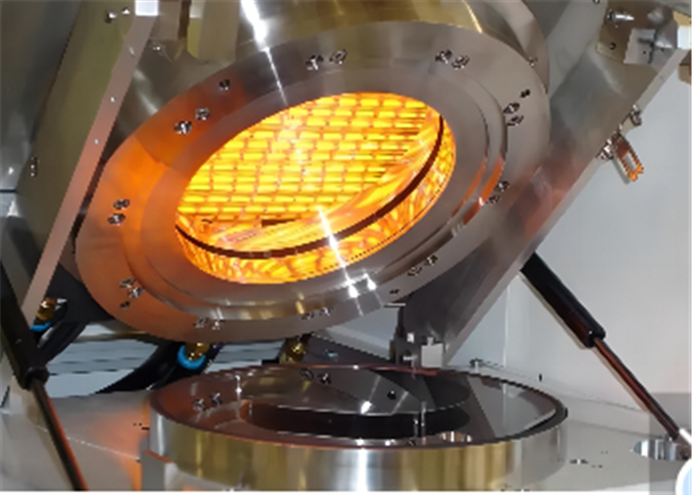
Here is the problem with hot air: you’re heating the air, and then hoping that air heats your substrate. It’s slow. It feels like waiting for a giant pot of water to boil before you can even start cooking. You deal with this massive thermal inertia. Every time you need to tweak the temperature, you’re just… waiting. Waiting for the chamber to stabilize. In a high-stakes environment like semiconductor processing, that “warm-up” time is basically just burning money. Then you have IR heaters. They don’t mess around with the air; they hit the material directly with electromagnetic waves. You hit your target temperature in seconds. Not minutes. Seconds. That’s a huge win for your cycle time.
Getting it right on the line
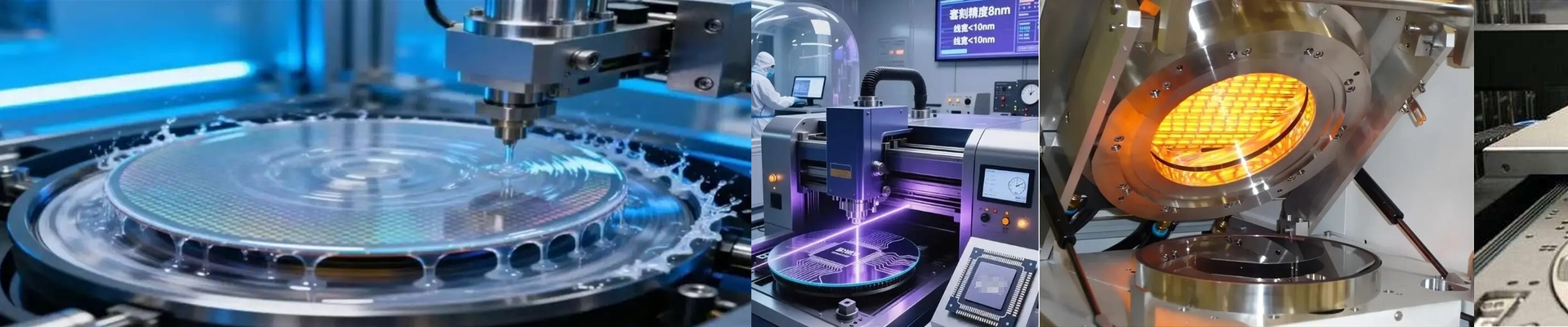
We set these IR systems up to push a high density of heat across the sensor wafer. The best part? Zonal control. Instead of heating the whole room, you can blast heat into one specific spot on the line without accidentally cooking the components sitting right next to it. But it’s not all magic. You have to be careful about “hot spots.” If your lamp is slightly crooked or the gap to the substrate is off by a hair, you’ll burn right through that sensor membrane. You need a rock-solid jig to keep everything perfectly spaced. No shortcuts here.
More room to breathe
Moving to IR isn’t just about the clock; it’s about the floor space. Hot air ovens are bulky beasts. IR lamps are tiny by comparison. You can actually shrink your fabrication line and get your floor space back. Everything just moves faster. You ramp up quickly, you keep a tighter grip on your thermal budget, and you stop wasting half your shift fighting thermal lag. For anyone running high-volume lines, it’s just the logical way to work.