
Getting Your Heat Right for Bio-Sensors
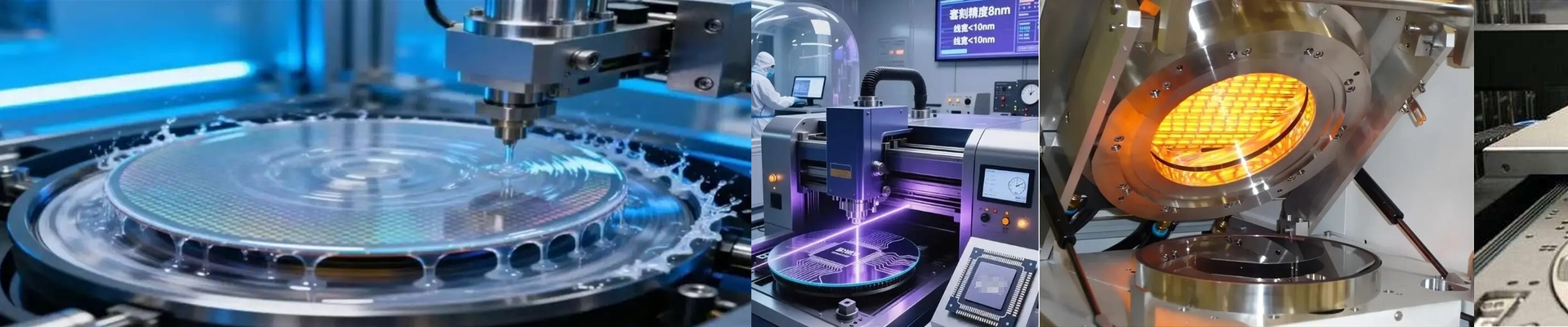
When you’re building bio-sensors, you’re playing a dangerous game with temperature. If things drift by even a few degrees during curing or deposition, the whole batch is toast. It’s frustrating and expensive. That’s why we lean on high-density infrared (IR) systems. Instead of waiting for a convection oven to slowly warm up the air—which feels like forever and is never quite consistent—IR gives you direct radiant heat. It just hits the target.
Stop Guessing, Start Mapping
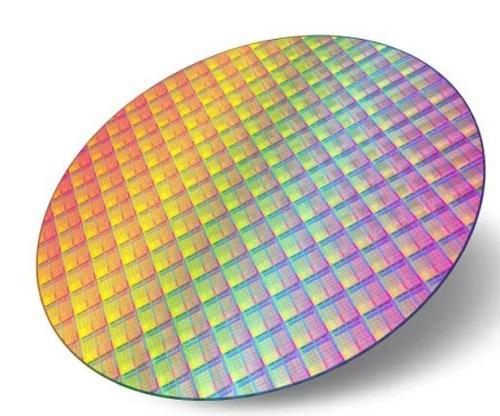
In a modern fab, your heating element shouldn’t be a “black box” where you just hope for the best. We build our IR systems to talk to your digital controllers. This means you can actually see the heat distribution as it happens. By linking the lamp output to real-time feedback, you can kill off those annoying hot spots on the wafer. It turns heat from a wild card into something you actually control. Less scrap, fewer headaches.
The Trade-offs (The Real Talk)
We usually go with short-wave IR lamps for this kind of work. They’re fast. Really fast. That’s a lifesaver when you’re working with materials that will degrade if they sit in the heat for too long. But here’s the catch: you have to balance power against how fragile your substrate is. A high-wattage lamp gets the job done quickly, but if you aren’t careful, you’ll cause thermal shock. You’ll need PID controllers that can keep up with the rapid switching. And please, make sure your power supply matches the lamp’s voltage. If they’re mismatched, you’ll deal with flickering or lamps that burn out way too soon.
Making it Work on the Floor
When you’re actually fitting these into your line, think about the footprint. We use modular mounts so you can swap out a lamp without having to tear the whole rig apart. Hook it up to a PLC and you’ve got a fully automated setup. One last thing: high-output IR puts off a ton of waste heat. Don’t ignore your exhaust and cooling systems. If the room gets too hot, your electronics will start to drift, and you’re right back where you started.