

Getting More Heat Where It Actually Matters
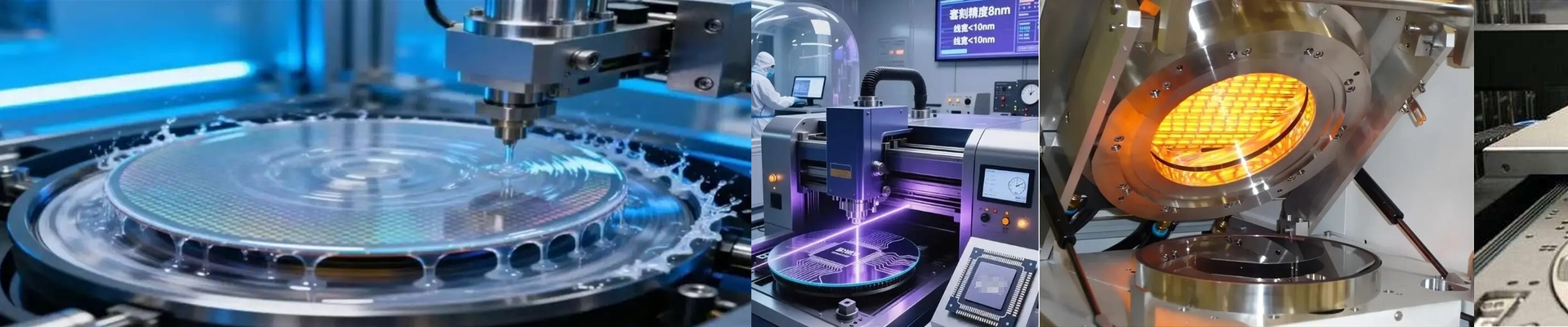
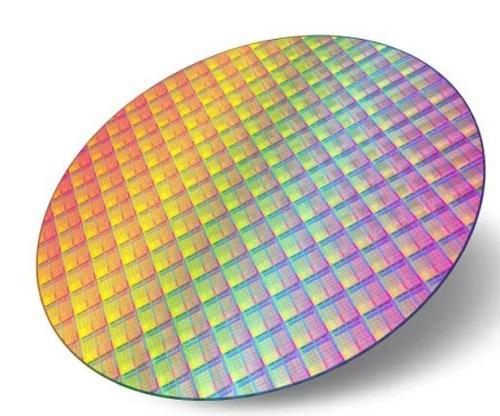
When you’re building bio-sensors on a wafer, you need the heat to hit the surface exactly right. But here’s the problem with standard infrared lamps: they’re messy. A huge chunk of that energy just bounces backward or scatters everywhere. You end up paying for electricity that does nothing but heat up the machine’s chassis. We figured out a better way. We started lining the lamp housings with high-reflectivity gold coatings. Why gold? It comes down to how light behaves. Aluminum is fine for general use, but gold is a beast when it comes to the specific kind of infrared light that tungsten filaments put out. Instead of a soft, wasteful glow that fills the room, the gold reflector pushes those photons forward. It narrows the beam. You get more punch—more watts per square millimeter—hitting your target without even touching the power dial. The tricky part Now, you can’t just crank this up and walk away. When you concentrate heat like this, you’re flirting with the limits of your substrate. If the reflector is too aggressive, you’ll get “hot spots.” Those are nightmare fuel for bio-sensors because they can warp the wafer or fry the chemical layers you worked so hard to apply. You have to find that sweet spot between the reflector’s focal length and the wafer’s position to keep the temperature smooth across the whole surface. We built these to be simple drop-in replacements for the IR setups you already have. But a heads-up: because the system is so much more efficient, the back of the housing stays cool while the target zone gets hot fast. You’ll want to double-check your PID controllers and thermocouples to make sure they can keep up with that quicker ramp-up. The payoff The best part? You don’t need as many lamps to hit your target temperature. That means your heating array takes up less space and your power supply isn’t breaking a sweat. You get the heat exactly where you need it on the wafer, and your cleanroom doesn’t feel like a sauna.