
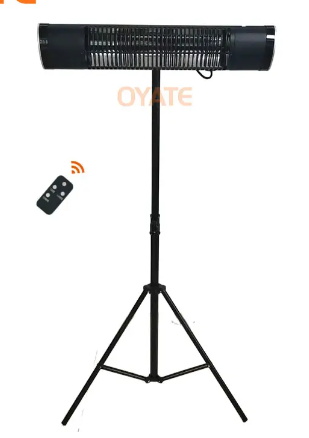
Why we stopped building “disposable” gazebo heaters
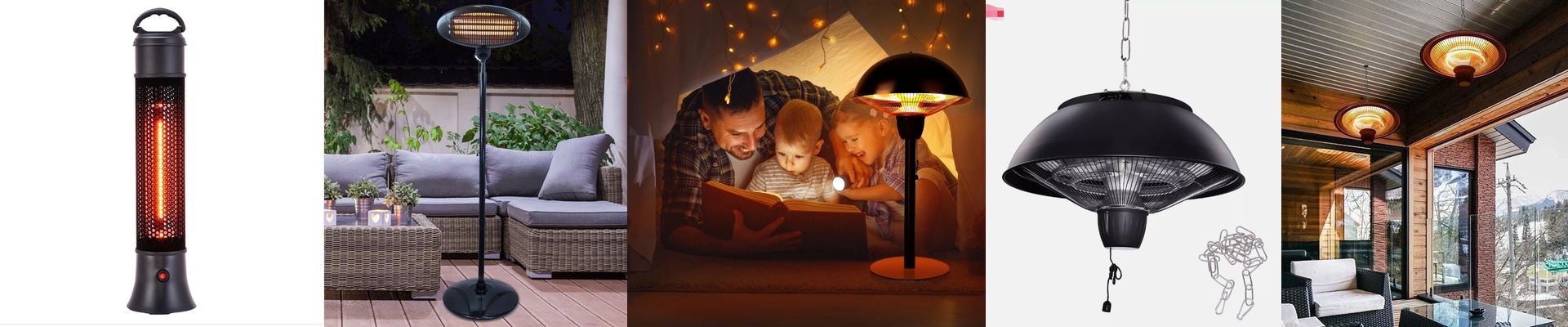
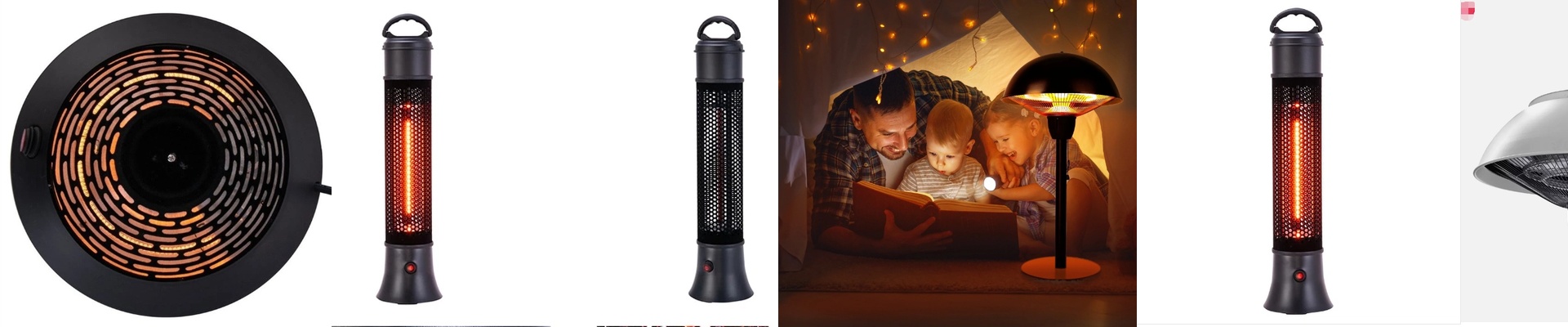
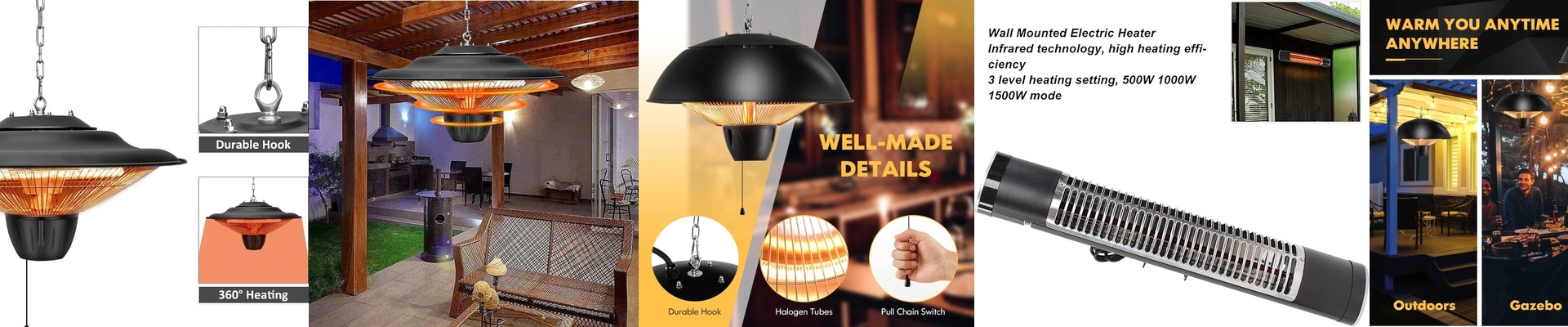
Let’s be honest: most gazebo heaters are basically trash in a fancy shell. A few seasons go by, a heating element pops, and the whole thing ends up in a landfill because it’s too much of a pain to fix. We got tired of that. So, when we built our 1500W infrared modules, we did things differently. We wanted to make sure you aren’t ripping the entire fixture out of your ceiling just because one tube gave up the ghost. The “Slide-and-Swap” approach We went with a modular chassis. Instead of soldering the heating element directly into the circuit board, we put it in a slide-out tray with quick-connect terminals. Think about it. Five years from now, do you really want to be balanced on a ladder, squinting into a cramped ceiling with a soldering iron? Probably not. With this setup, you just pop the clip, pull the dead tube, and drop in a new one. It takes about three minutes. It’s that simple. Getting the heat where it actually matters At 1500W, these things put out some serious short-wave infrared heat. We use high-grade quartz glass because it lets the heat punch right through the air gap. If you’ve ever tried to heat an open-air gazebo, you know the wind just steals the warmth. But this doesn’t heat the air—it heats you. You feel it on your skin and clothes the second you turn it on. The dirty truth about heat Here’s the catch: when you pack that much power into a small ceiling unit, the housing takes a beating. While swapping the tubes is easy, the wiring inside has to be tough. If you use cheap replacement wires, the heat will make the insulation brittle until it eventually cracks. To stop that from happening, we use high-temp silicone and fiberglass sleeving. It keeps things safe and prevents shorts. One last tip? Keep those reflectors clean. Dust loves to settle on polished surfaces, and it can kill your heat throw by 10 or 15%. When you’re swapping out a tube, give the reflectors a quick wipe. It ensures every bit of that 1500W is actually hitting your guests and not just heating up a layer of dust.