
Why Your Bathroom Heater Actually Needs to Be Waterproof
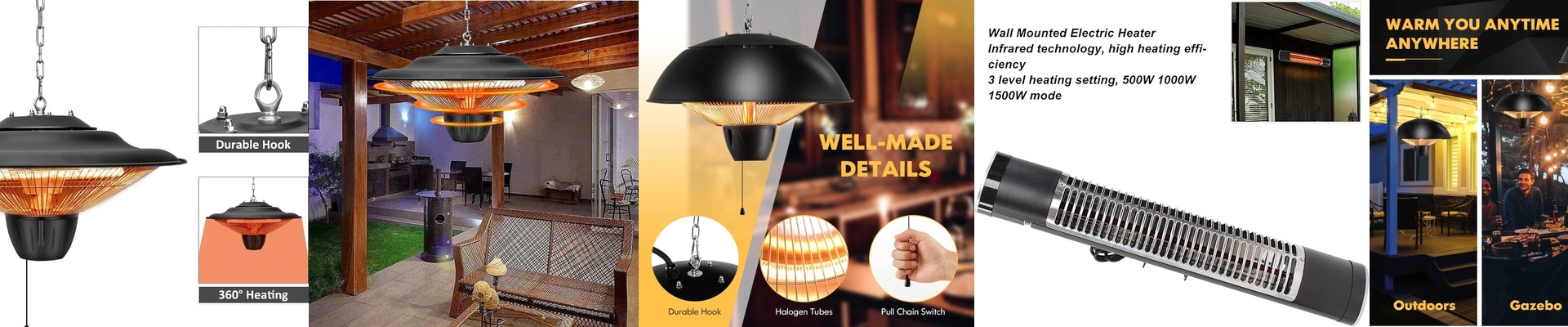
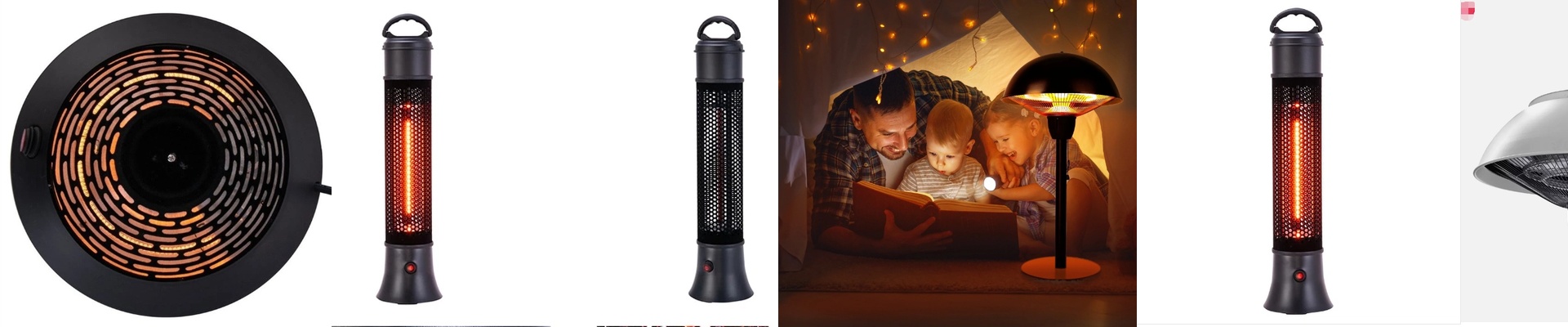
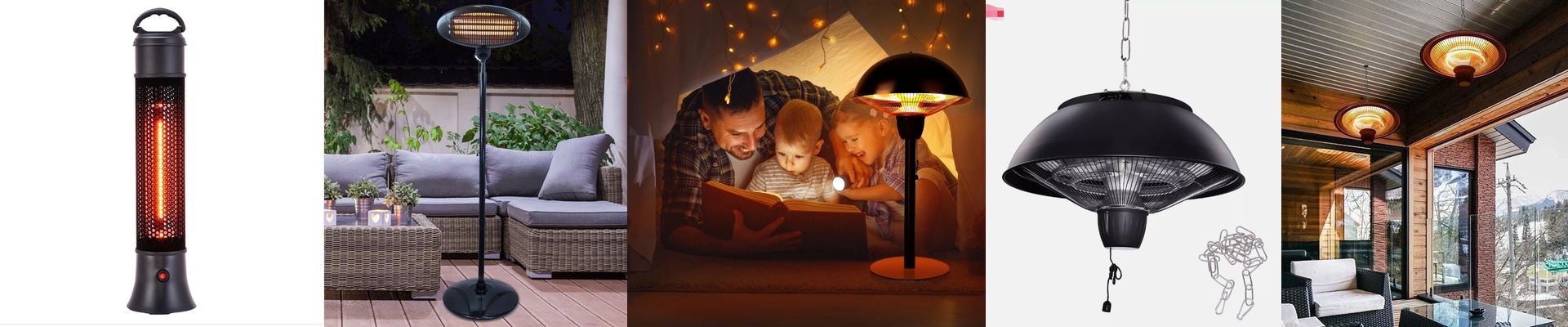
Ever notice how those old-school lamp warmers in the bathroom just… don’t work? You turn them on, wait forever, and you’re still shivering. That’s because they weren’t really built for the steam and humidity of a real shower. That’s why we’re moving toward high-IP infrared heaters. Instead of trying to warm up all the air in the room, these things send heat straight to you. The deal with water and electricity Bathrooms are basically steam rooms. Between the shower spray and the humidity, moisture gets everywhere. Standard heaters often struggle with this—they corrode or, worse, short out. We use high-IP rated units because they’re sealed tight. The heating elements and wiring are locked away from the dampness. It means you can have a steamy shower without worrying about tripping the breaker the second things get foggy. Heat you can actually feel Most heaters use convection, which is just a fancy way of saying they push warm air around. It’s slow. Infrared is different. It’s like stepping into a patch of sunlight on a cold day. The heat hits your skin and warms you up instantly. It doesn’t matter if your ceilings are ten feet high or if the room is freezing; you feel the warmth the moment you step under it. A few things to keep in mind for the install We usually mount these in the ceiling to save space. You’ll wire them directly into your ceiling circuit, but here is the catch: these units pull a lot of power. You’ve got to make sure your wiring and breakers can handle the load. If the wires are too thin, you’ll get a voltage drop, and the heater just won’t get hot. It’s a frustrating mistake that’s easy to avoid if you check your specs first. One last tip: get the height right. If you hang it too low, it’ll feel like you’re standing under a heat lamp at a buffet—way too intense. Too high, and you lose that “instant” feeling. Find that sweet spot, and you can ditch the chill without having to pre-heat the whole house.