



In those off-grid workshops and enclosed work areas, you used to know the heat was on the minute you caught that kerosene smell. It did the job, but it left a greasy film on everything and hung heavy in the air. Swapping over to an electric commercial radiant heater is a straightforward upgrade if you care about air quality and steady comfort.
What’s actually happening under the hood
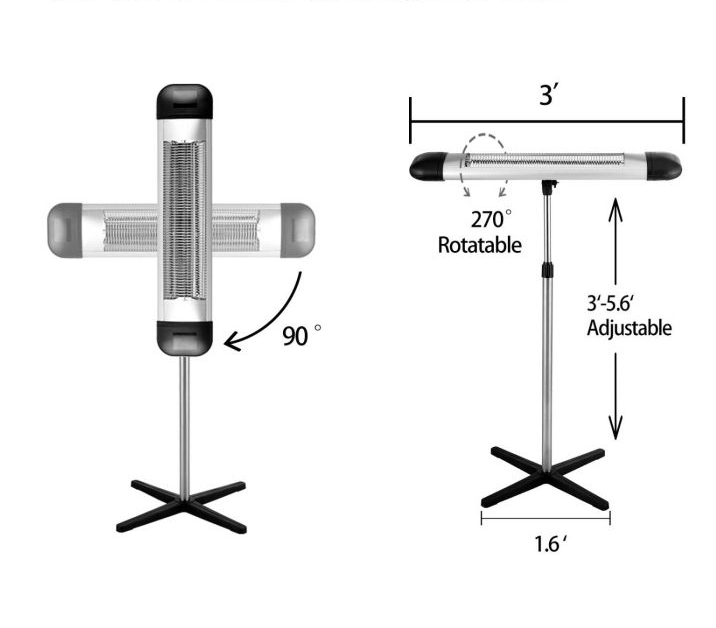
Commercial radiant heaters work the same way the sun does—sending infrared energy straight to people, floors, and equipment, instead of trying to warm the air. That’s why infrared warmth feels immediate: the second the element glows, you feel the heat. We lean on a tough quartz tube and a high-efficiency reflector to focus the output where it needs to go. These units run on standard electric supply, draw predictable current, and deliver steady radiant heat with no moving parts. A built-in thermostat keeps the temperature stable, and safety features—tip-over protection and an overheat cut-off—shut things down if something’s off.
Why this makes sense in remote indoor spaces
Air quality is the quiet thing that drags down productivity. Kerosene burns dirty and brings in particulates and odor; electric infrared heating produces no combustion byproducts at the point of use. So you get fewer fumes, less smell, and way less soot building up on tools and walls. The space feels cleaner—and easier to breathe. Heat shows up fast, too, so work doesn’t have to wait on the room to warm up. And with no flame and no fuel storage, you cut out the risk and the hassle of handling fuel cans.
The practical details you’ll want to get right
Installation is straightforward, but you still need the right circuit. Match the unit’s voltage and amperage to your supply, and use a dedicated outlet when you can. Clearances matter. Keep the heater away from combustible materials and make sure there’s airflow around the tube. For comfort, position it so the work zone is covered without shining directly in anyone’s eyes. In humid conditions, moisture protection and regular cleaning keep the tube and connections in good shape.