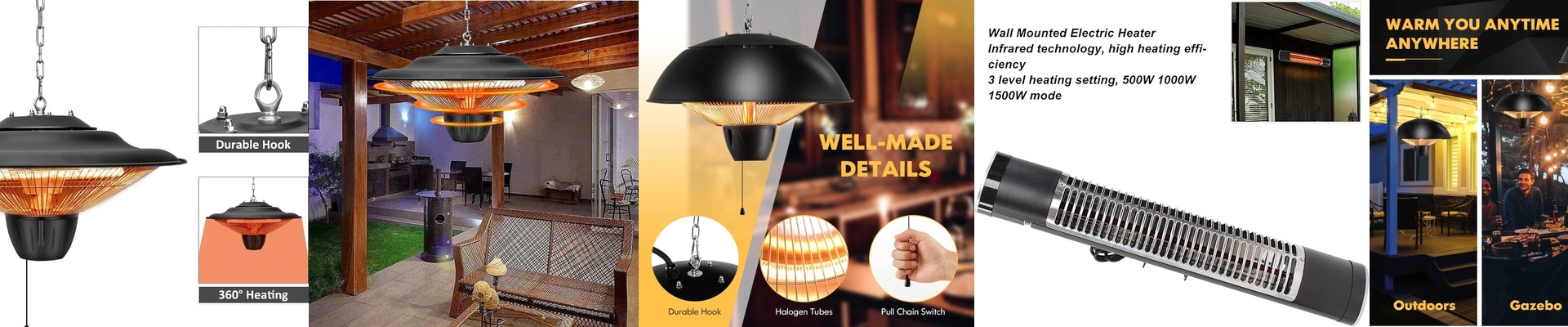

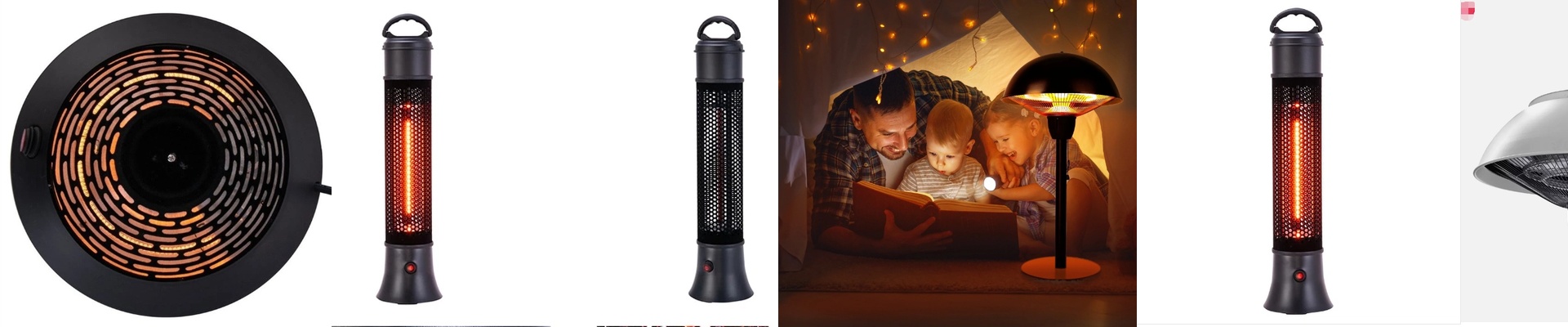
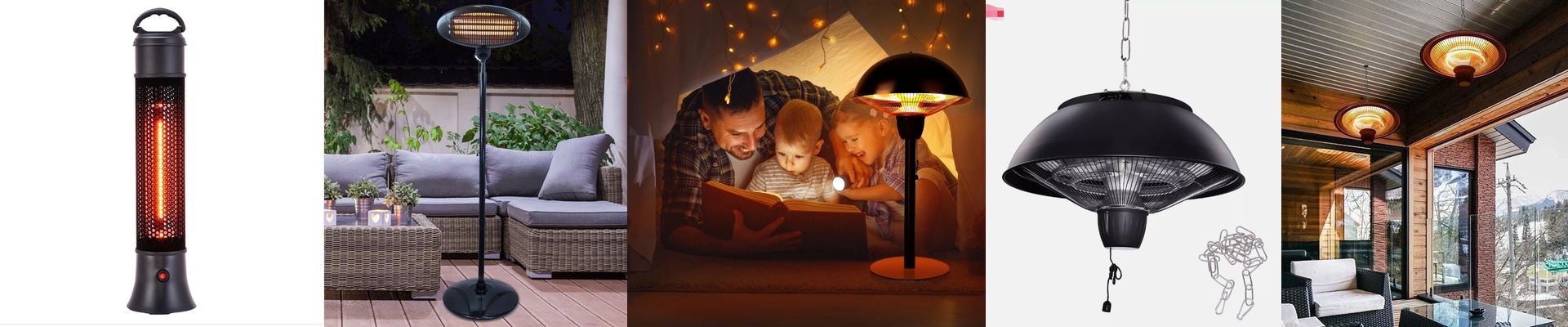
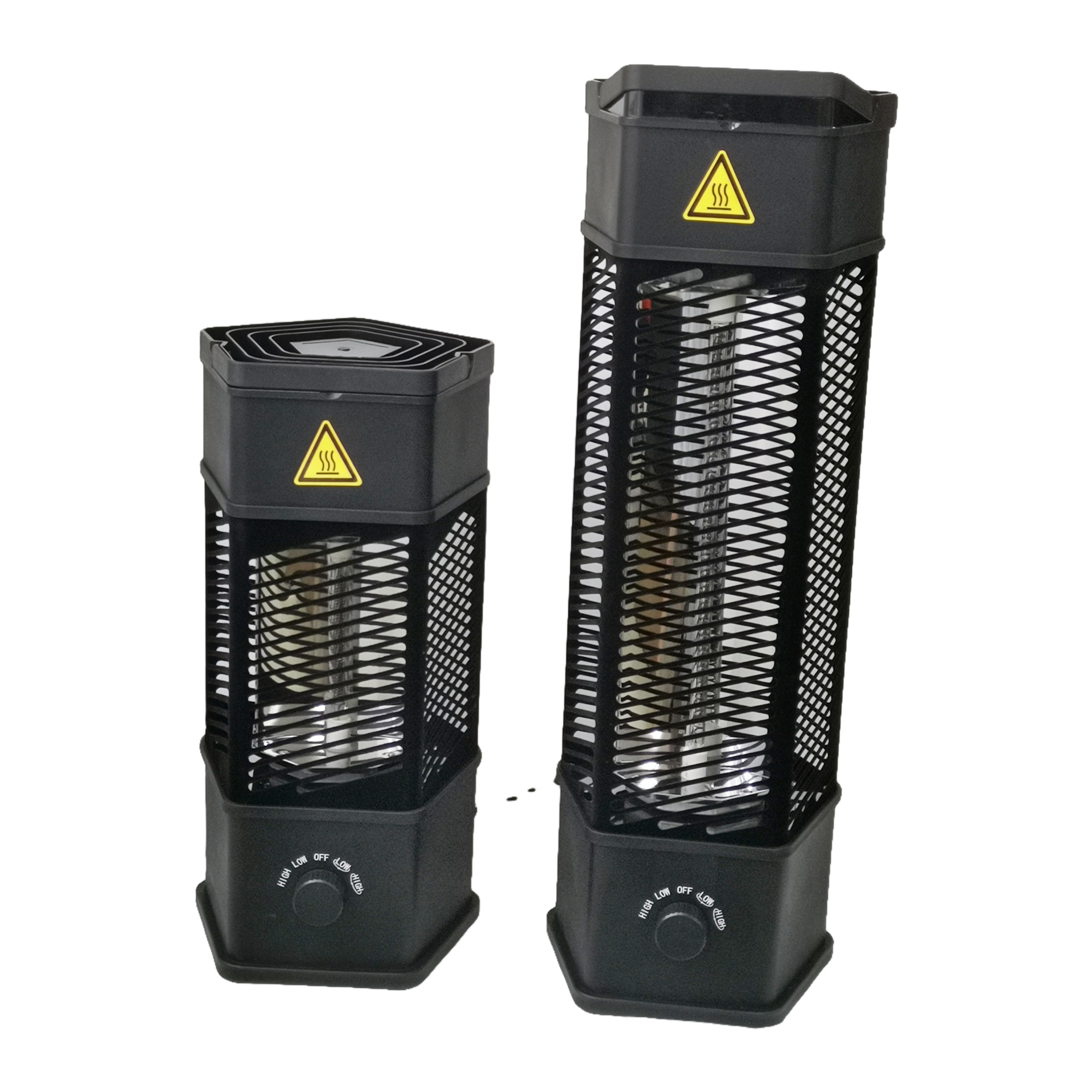
Glass walls are the reason a sunroom feels so open—and also why it turns into a refrigerator once the sun goes down. You get the view, the brightness, and then you get that still, bone-deep chill that makes everyone grab a blanket. We built this sunroom heater to tackle that exact problem, and it does it without blowing air around. Just quiet, steady warmth.
What’s actually going on under the hood
This is radiant heat, plain and simple—no forced air. Infrared warmth travels straight to people and surfaces, the same way sunlight does. Inside, we run a carbon fiber element sealed inside a quartz tube. That combination is why it heats up fast and holds an even output. It hits operating temperature quickly, so you feel the heat soon after you flip it on. It runs off a standard electric supply, and the built-in thermostat keeps comfort steady instead of letting the unit run wide open all the time. On the safety side, you get tip-over protection and a protective grille. The housing is designed for indoor-outdoor use, with an IP rating that’s appropriate for covered sunrooms.
Why this approach fits a sunroom
A sunroom is always a trade-off: you want the light and the view, but you don’t want that drafty feeling that comes with forced-air heat. With radiant heat, you feel warmth where you actually sit—on the sofa, at the table, in the reading chair—while the air stays calm. That means fewer temperature swings, less condensation on cold glass, and a room that feels more stable when the outdoor temperature drops. The payoff is practical: the space stays usable longer, day into evening, so you actually get the value you paid for.
The details that make it work
Placement matters. Mount the heater at a height that lets infrared warmth spread evenly across the seating areas, and keep clearances clear. It performs best in well-insulated sunrooms and covered spaces; in very open or windy spots, you’ll see more heat loss. And plan the circuit. This is an electric heater, so a dedicated outlet and proper wiring keep performance consistent—and safety, too.