

Stopping Wafer Contamination Before It Starts
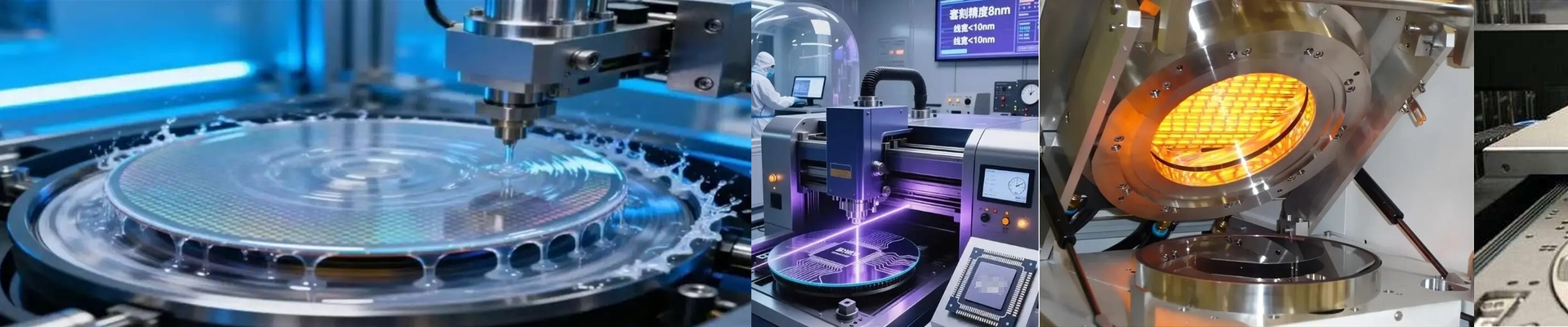
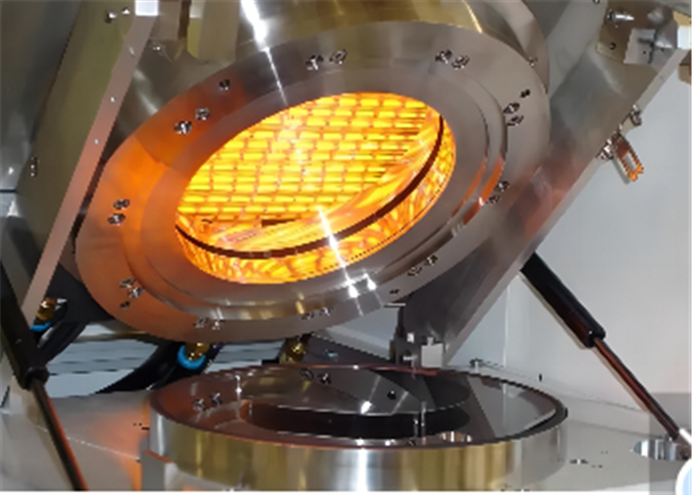
In the world of semiconductor processing, a lamp burning out is more than just a headache or a bit of downtime. It’s a nightmare. Imagine a quartz tube bursting right in the middle of a high-load run. You’ve got glass shards and tungsten filaments raining down directly onto your wafers. One bad pop, and your whole batch is trash. That’s exactly why we build our IR lamp assemblies the way we do. We want to make sure that if something goes wrong, the mess stays put. The Secret is in the Reflector We use high-purity aluminum reflectors, but they aren’t just there to bounce heat around. Think of the housing as a safety shield. We keep the tolerances tight around the lamp footprint. If a tube fails, the housing catches the bulk of the debris. It acts like a trap, keeping the shards out of your process chamber so you aren’t scrubbing glass out of your gear for the next three days. Handling the Heat Running at full tilt pushes these lamps to their absolute limit. To keep things from cracking under pressure, we focus on a few practical details: First, we leave a bit of breathing room—precise expansion gaps—at the mounting points. Quartz expands when it gets hot. If it doesn’t have room to move, it cracks. Simple as that. Then there’s the finish. We anodize the reflectors to stop them from oxidizing. If the surface degrades, your reflectivity drops, and your efficiency goes with it. And the shape? It’s a double-win. It directs the IR radiation exactly where it needs to go, but it also doubles as a debris catcher. The One Catch: Heat Soak Now, here’s the trade-off. A closed reflector design is great for containment and heat density, but it traps a lot of ambient heat inside the housing. You’ll need to make sure your cooling fans or liquid loops are up to the task. If the housing gets too hot, you start risking your wiring and connectors. It’s a balance. We build these for the engineers who can’t afford a single ruined batch. It’s not about fancy specs—it’s just about managing the physics of failure so you can sleep better at night.