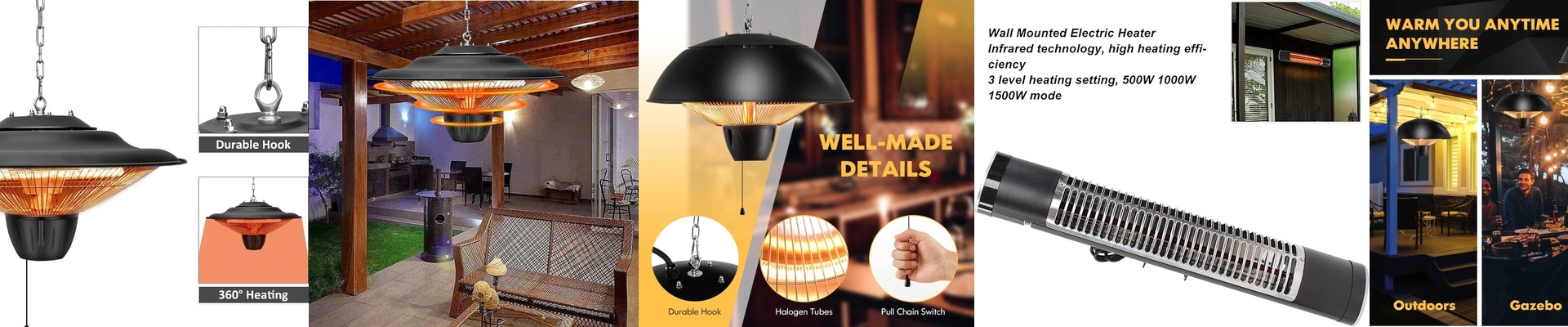

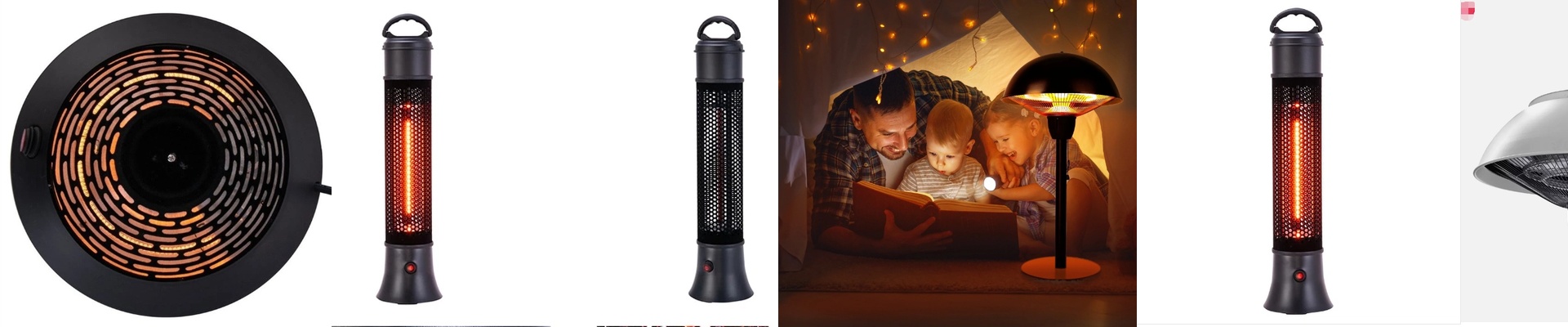

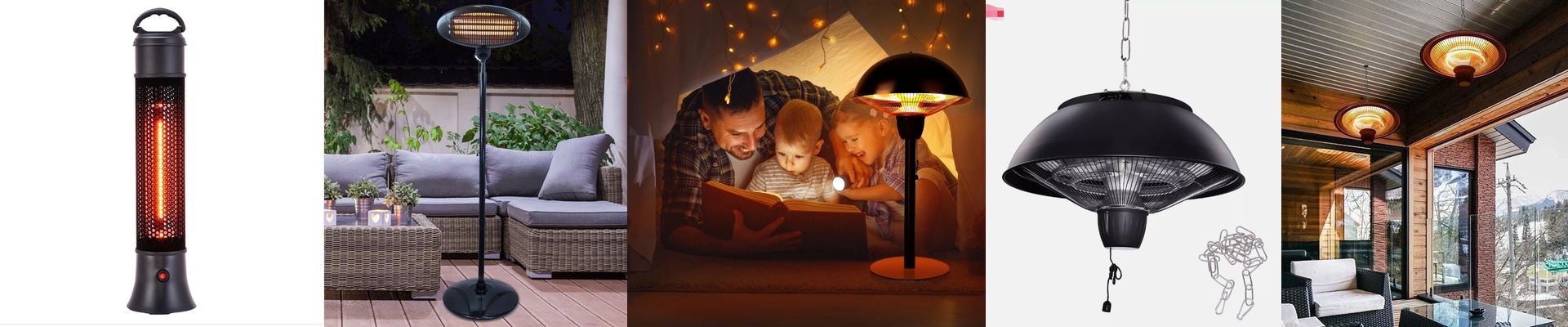
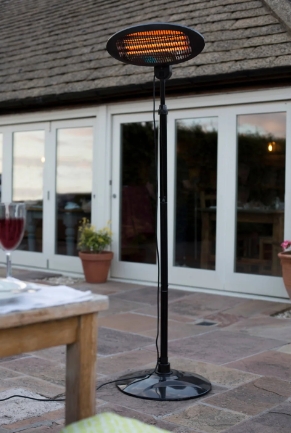
Making Your Home Warmer (and Smarter) with IPX4 Infrared Heaters
Let’s talk about those annoying spots in the house that always feel like a freezer—bathrooms, damp porches, or that one corner of the patio where the wind just hits you. We built our infrared heaters with an IPX4 rating specifically for these places. In plain English? It means they can handle splashes and humidity without freaking out. You don’t have to worry about a little steam or a stray spray of water causing a short circuit. You just install them and forget about it.
Heat that actually hits you
Most heaters try to warm up the air around you, which takes forever. These are different. They use short-wave infrared radiation, which is a fancy way of saying they send heat directly to your skin and the furniture around you. It’s instant. The second you flip the switch, you feel it. No waiting ten minutes for the room to “warm up.” It’s just… warm. Right now.
Getting it on your phone
If you want to turn your bathroom into a sauna from your bed, you’ll need to bridge the heater to a smart relay or something that speaks Zigbee or Matter. Basically, your phone tells a controller to close the circuit, and the heat kicks in. If you’re setting this up, go with a solid-state relay (SSR). Standard smart plugs usually can’t handle the initial power surge of infrared lamps. Plus, SSRs let you dim the heat if you don’t want it blasting at 100% all the time.
A quick heads-up on the wiring
Here is the part where you need to be careful. These lamps pull a lot of power. If you’re hooking up a bunch of them to one hub, make sure your wiring is thick enough. If the wires are too thin, they’ll get hot, the insulation can degrade, and things get risky. The best move? Give your high-heat zones their own dedicated circuit. It keeps everything stable and, more importantly, safe.