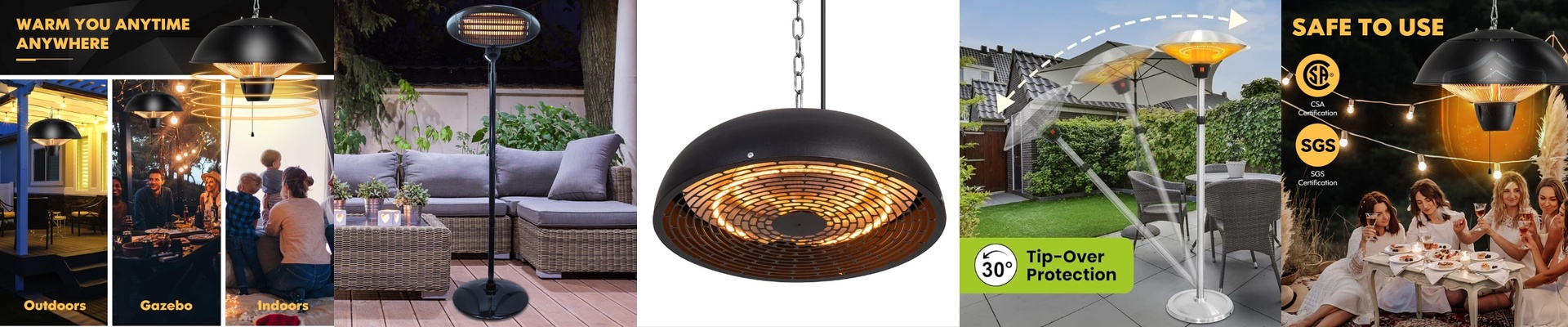

Making Infrared Heaters That Actually Work in the Rain (and Your Smart Home)
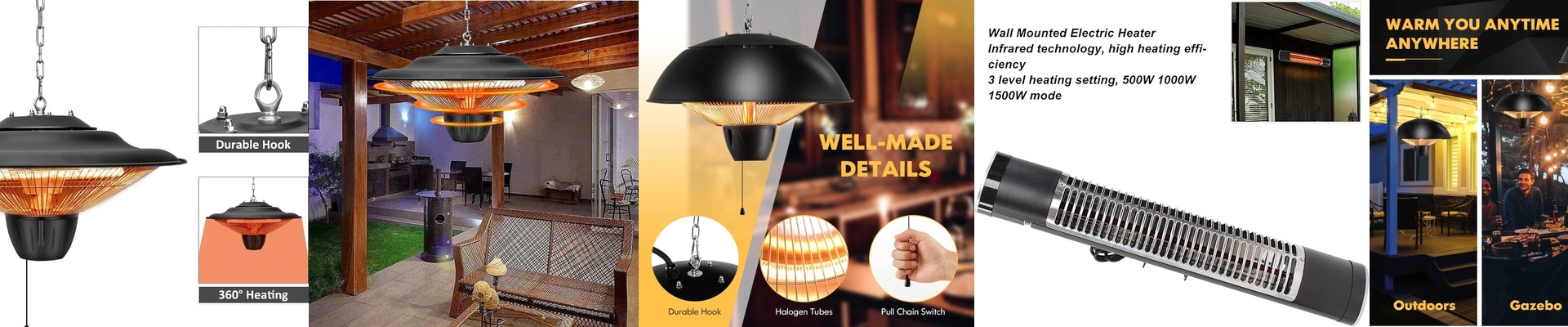
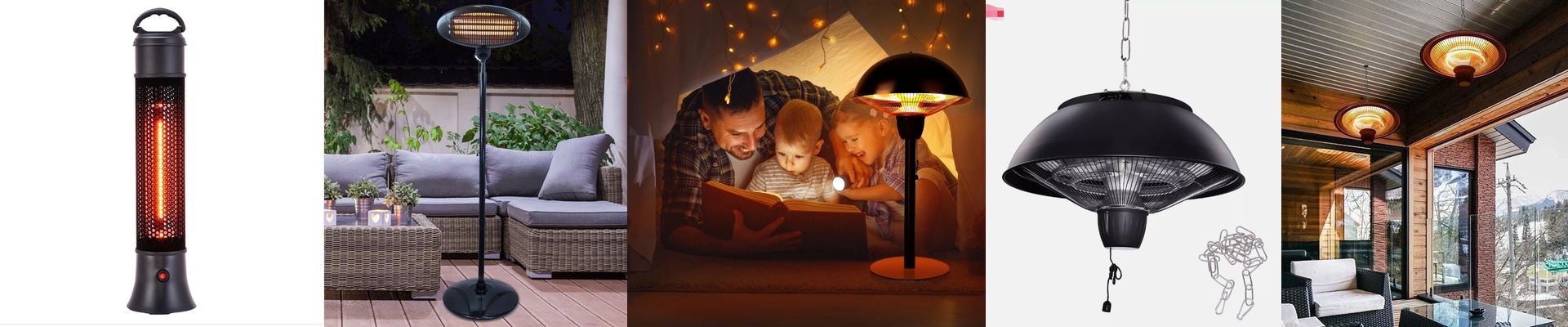
Let’s be honest: most heaters and water don’t get along. Put a standard heater in a steamy bathroom or on a damp patio, and you’re basically asking for a short circuit. That’s why we build our infrared heaters with an IPX5 rating. In plain English? You can practically spray them with a hose and they’ll keep humming along. We do this by sealing the terminal blocks and using heavy-duty gaskets to keep the moisture out of the guts of the machine. It just works.
Heat, Right Now
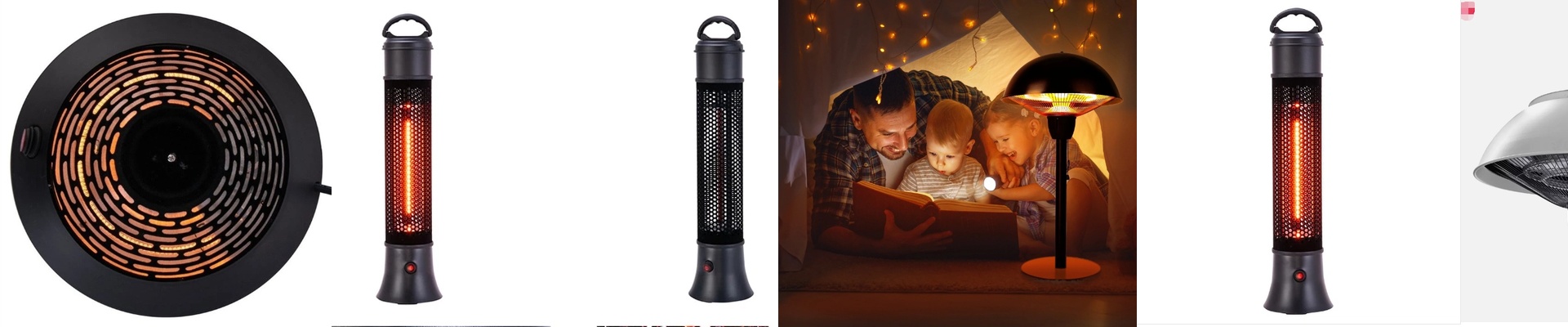
You know that annoying wait with old-school heaters where you’re shivering for ten minutes while the air slowly warms up? Yeah, we hate that too. These units use short-wave infrared radiation. Instead of trying to heat up all the air in the room, they beam heat directly onto you and the objects around you. It’s instant. You flip the switch, the filament hits temperature in seconds, and you’re warm. No lag. No waiting.
Making it “Smart” Without the Headache
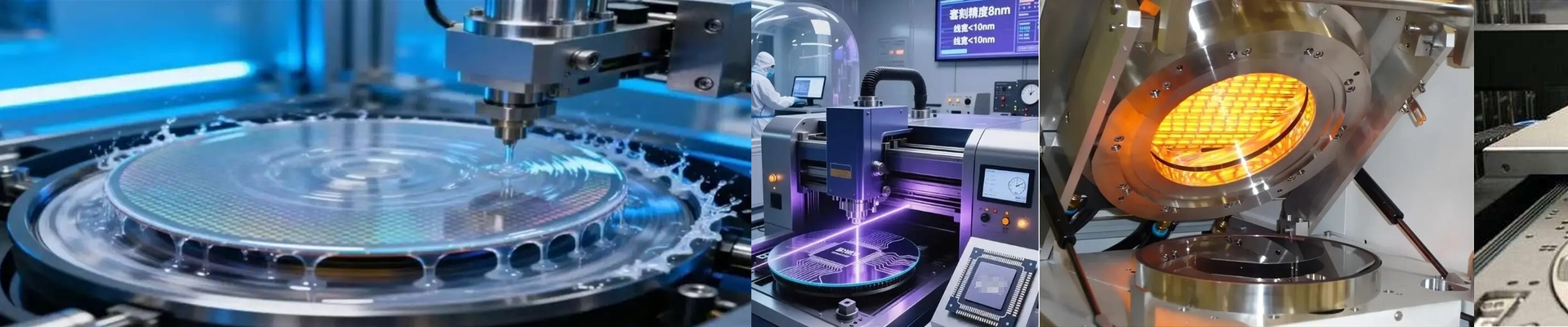
The goal is simple: you should be able to switch your home from “winter mode” to “spring mode” with one tap on your phone. To make that happen, we connect the heater to a smart gateway using Zigbee or Matter. But here’s the tricky part. Heating elements pull a massive amount of power, which is enough to fry a delicate smart chip in an instant. To stop that from happening, we split the brain from the brawn: *The Brain: A low-voltage microcontroller that handles all the Wi-Fi and Bluetooth chatter. *The Brawn: An isolated relay that does the heavy lifting of switching the power. By keeping them separate, the smart chip stays cool and safe while the heater does the hard work.
The Honest Trade-offs
Nothing is perfect. To get that waterproofing, we have to add some bulk. Those seals and the IPX5 housing are great for keeping water out, but they aren’t great for letting heat escape from the internal electronics. If you’re installing one of these, give it some breathing room. If you cram it into a tight spot, the control board can get too hot during long runs. We usually suggest pairing the heater with a few temperature sensors. That way, the system can automatically shut itself off before things get too toasty.