
Planning for the Five-Year Itch
Let’s be honest: putting infrared heaters in a warehouse with massive ceilings is a logistical headache. The real problem isn’t the installation—it’s what happens years later. When a heating element finally gives out after thousands of hours, you aren’t just paying for a new part. You’re paying for a scissor lift rental, a blocked aisle, and the frustration of paused production. It’s a mess. That’s why we stopped designing these things as permanent fixtures and started thinking about them as something that will eventually need a fix.
The “Plug and Play” Approach
We decided to treat the heating element like a battery or a lightbulb—something you just swap out when it’s done. Instead of hard-wiring the lamps into the main frame, we built a modular system. If a tube dies five years from now, you don’t have to spend your afternoon rewiring the whole array. You just pull the dead module out and drop a new one in. It makes a huge difference. We’ve seen maintenance windows shrink from a whole afternoon of work to about thirty minutes.That’s a lot of time you get back.
Dealing with the Heat
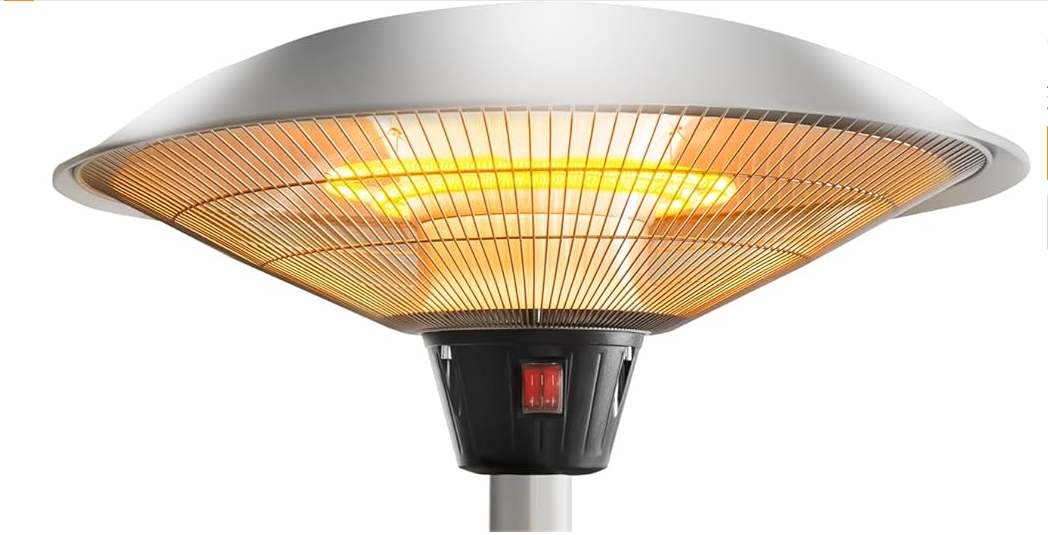
To get heat from a high ceiling all the way down to the floor, you need some serious power. We use high-wattage elements that really push the limits of quartz. It gives you the “throw” you need, but it also creates a ton of heat right at the mounting brackets. If you aren’t careful, that heat can warp the chassis over time. To stop that from happening, we used expanded metal housing. It lets the unit breathe and sheds the excess heat so the frame stays straight.
The Reality of Field Work
Here is the truth: infrared filaments eventually degrade. You can’t stop it. The goal is just to make that failure a non-event. By using standard connectors and a modular frame, any technician can swap a tube. You don’t need to call in a master electrician every time a bulb pops. Just a quick tip: make sure your power supply can handle the inrush current of the new modules. You don’t want to be the person tripping the breakers during a cold start on a Monday morning.