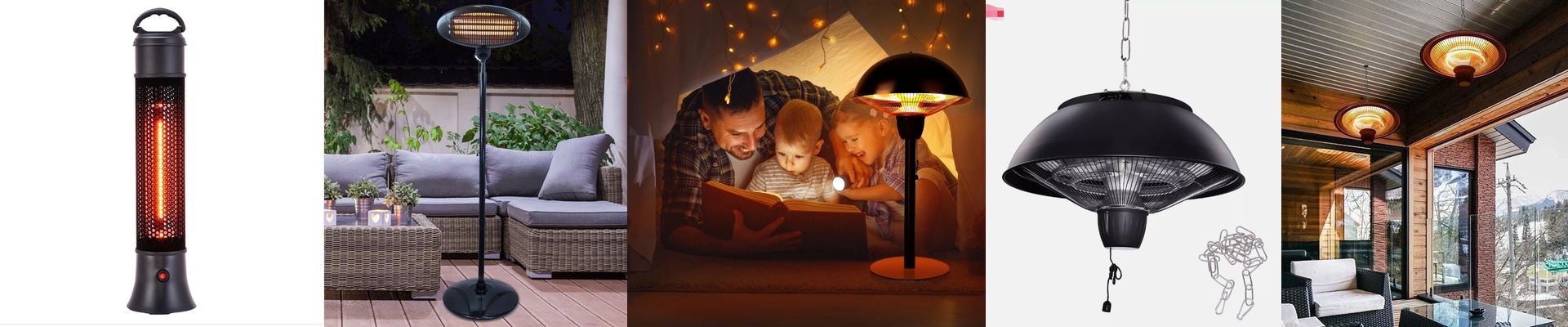
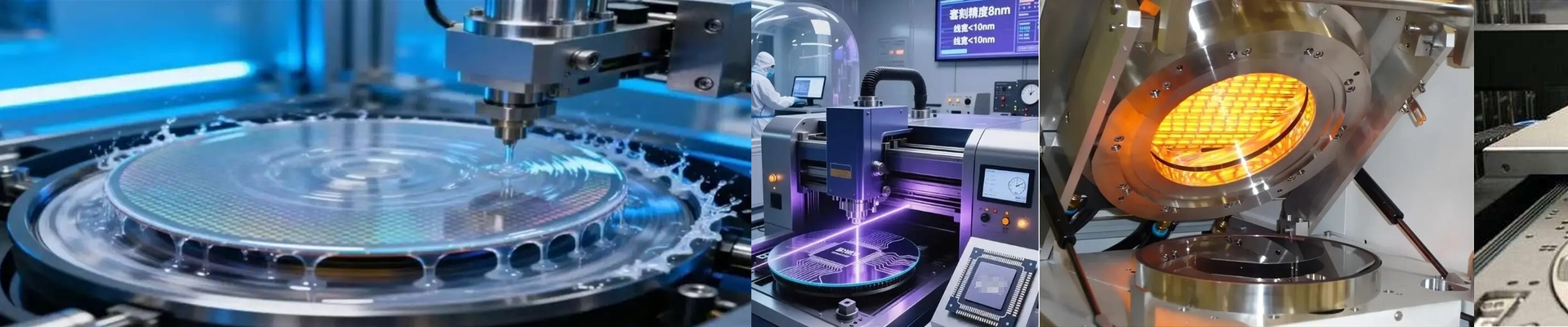
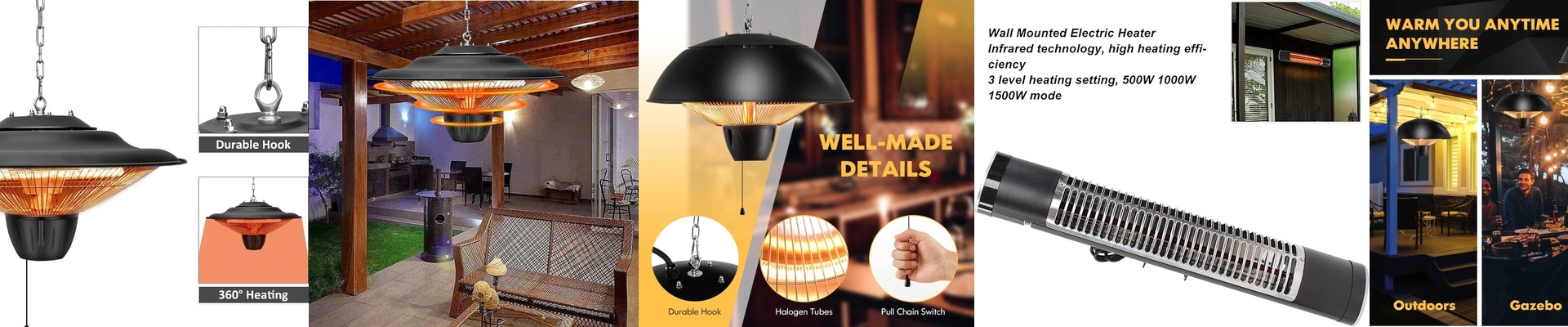

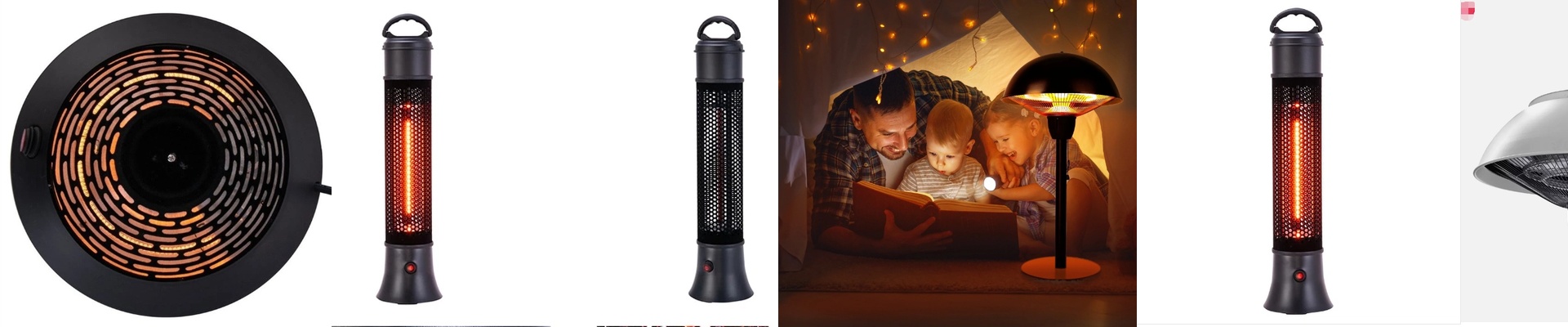
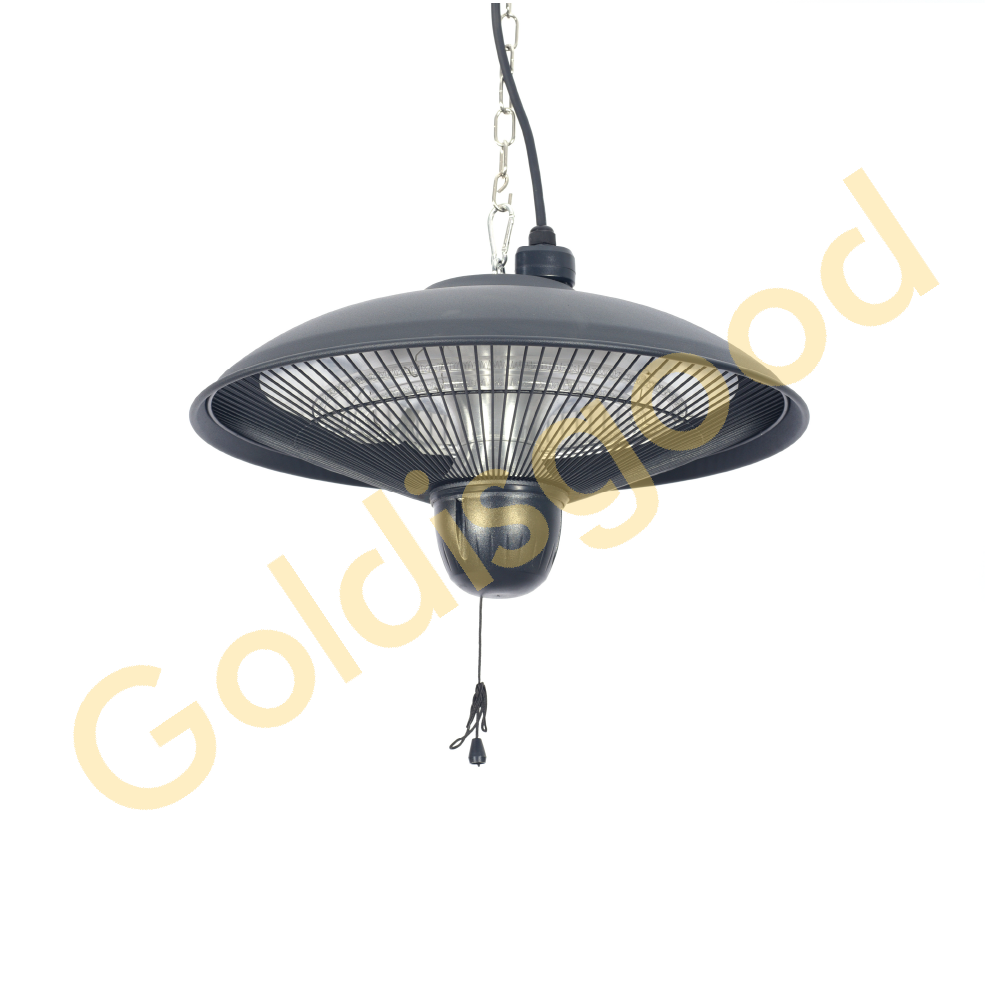
On the shop floor, the numbers that count aren’t moods—they’re microns. We told the infrared heater crew to hold the gold coating thickness inside a tight 0.1mm window. That isn’t factory theater. It’s how you get radiant warmth that stays consistent, clean, and dependable when it matters.
What matters under the hood
Infrared warmth comes down to the emitter. We pair a quartz tube with a thin, precisely controlled gold coating to dial in reflectivity and keep output steady. The payoff is a broad, even radiant field that heats people and surfaces directly, not the air around them. It runs off a standard 120V outlet, draws 1500W, and the built-in thermostat keeps comfort level. A tip-over switch cuts power the moment the heater is knocked out of position, and the exterior stays cool to the touch.
Why this works where you live
This heater was built for real rooms: a living room on a cool evening, a bedroom before sleep, a study that always feels drafty. Infrared gives you instant radiant heat—switch it on and you feel it, no long warm-up, no noisy fan kicking on and off. The gold-coated emitter holds output steady, so the room doesn’t swing between hot and cold. And because the heat goes where you are, you can keep the main thermostat lower and still feel cozy.
The practical details
Infrared needs line of sight. Point the heater straight at the seating area, and keep at least 3 feet of clearance from anything combustible. It’s designed for indoor, dry spaces. If you’re looking at a covered porch, double-check the model’s rating before you run it out there. The lamp is good for roughly 5,000 hours. When it reaches end-of-life, replacement is straightforward, and the heater itself is built to last well beyond that.