


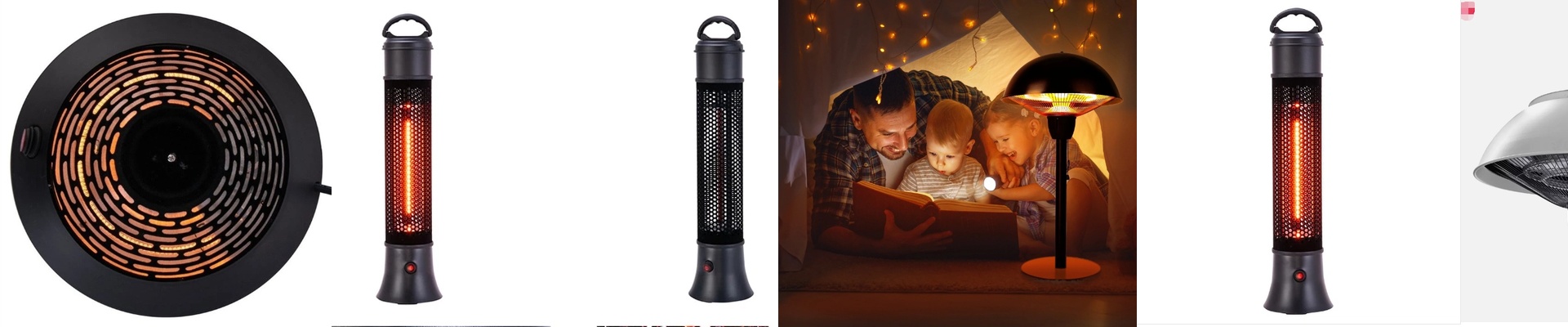


Step into a cold bedroom, hit the switch on an infrared heater, and warmth hits in seconds—no waiting around for a fan to spin up. No drafts, no noise. Just that even, steady glow that makes the room feel human again. When the night air bites, the real frustration isn’t the thermostat reading. It’s the long wait for heat to finally reach you.
What matters under the hood
Infrared bedroom heaters run on radiant heat: the element gets hot and throws infrared energy outward, warming people and surfaces directly. Most models lean on a quartz tube or a carbon fiber element, and for good reason—they heat up fast and hold output steady. You feel it almost immediately, often within 1–3 seconds, even while the air around you stays cooler. Because the warmth is directional, placement is straightforward. Point the unit where you sit or sleep, and you get heat where you need it. The majority of bedroom units run off a standard 120V outlet, are compact enough for a nightstand or under a desk, and come with practical controls—thermostat, multiple heat settings—that you’ll actually use.
Why it fits the bedroom
Bedroom comfort is personal. Traditional heaters move air, and that can feel drafty—and stir up dust. Infrared gives you a gentle, sun-like warmth that feels natural, and it doesn’t dry out the air the way some forced-air options do. Speed matters here, too. You get relief quickly, which helps you settle in, relax, and drift off. Many users also notice fewer temperature swings. Because the heat is applied where you feel it, the room doesn’t ping-pong between too hot and too cold.
The practical stuff
Give the heater clearance—keep it open in front and on the sides, and never cover it. Set it on a stable, level surface, and look for tip-over protection for peace of mind. Infrared warmth shines in smaller or well-zoned rooms. In a very large space, you may need a second unit or a different heating approach. And because the element glows, position the heater so that light isn’t shining straight into your eyes.