
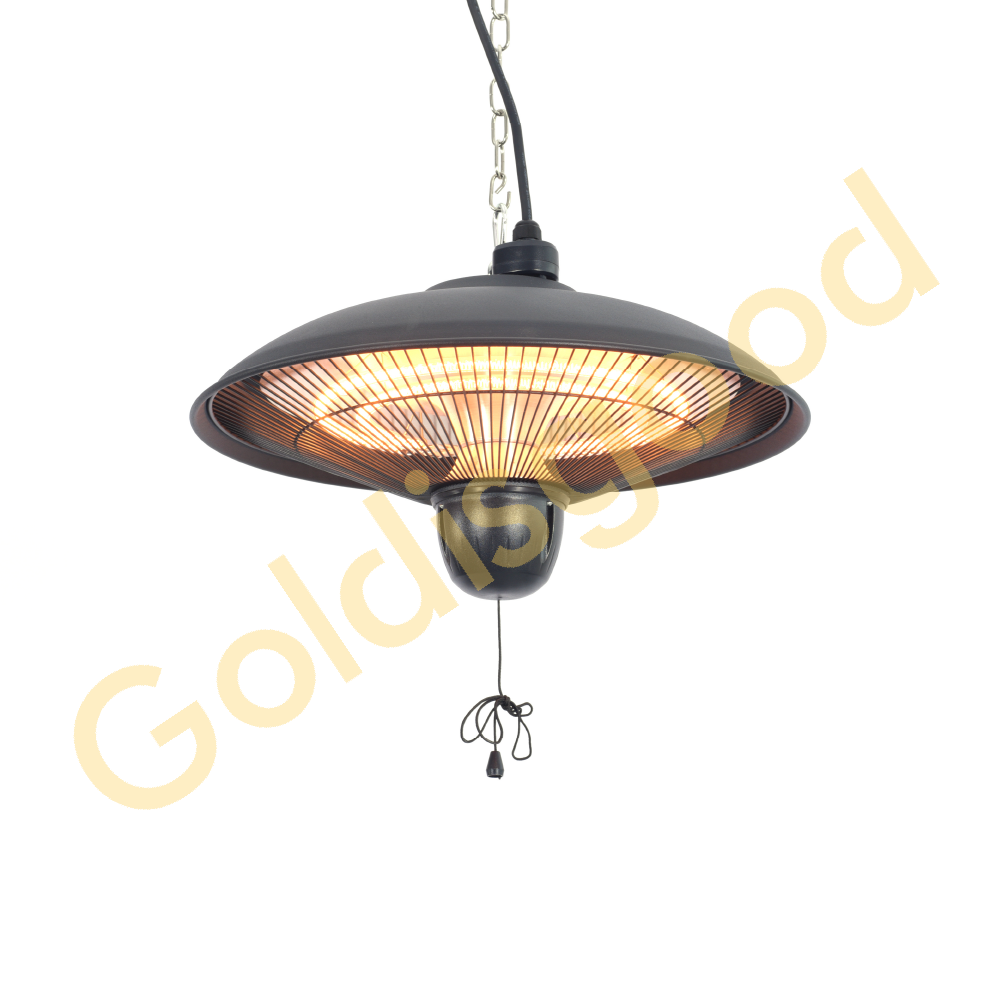
Introduction
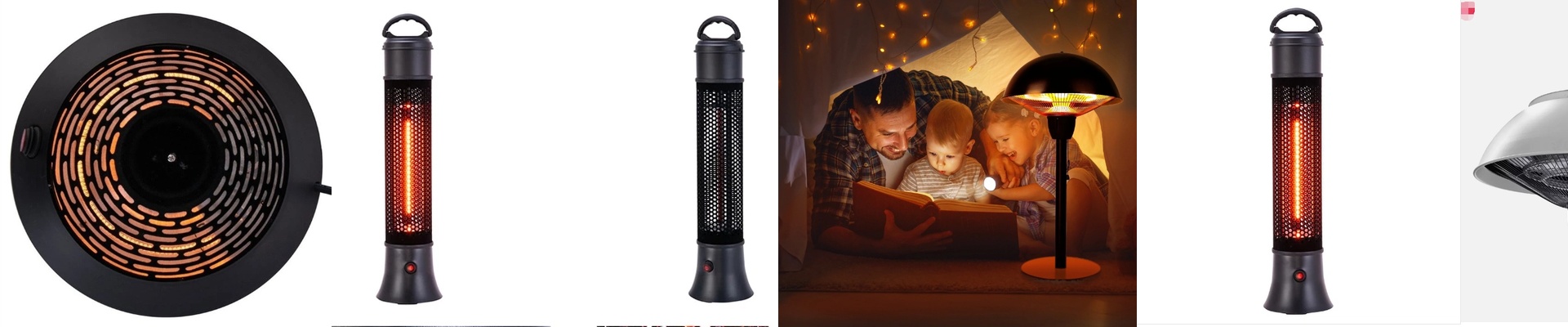
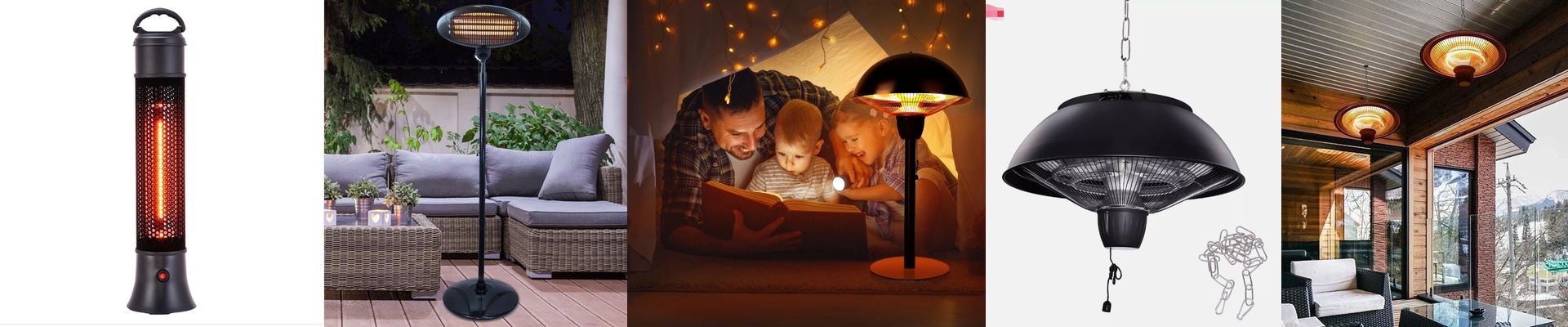
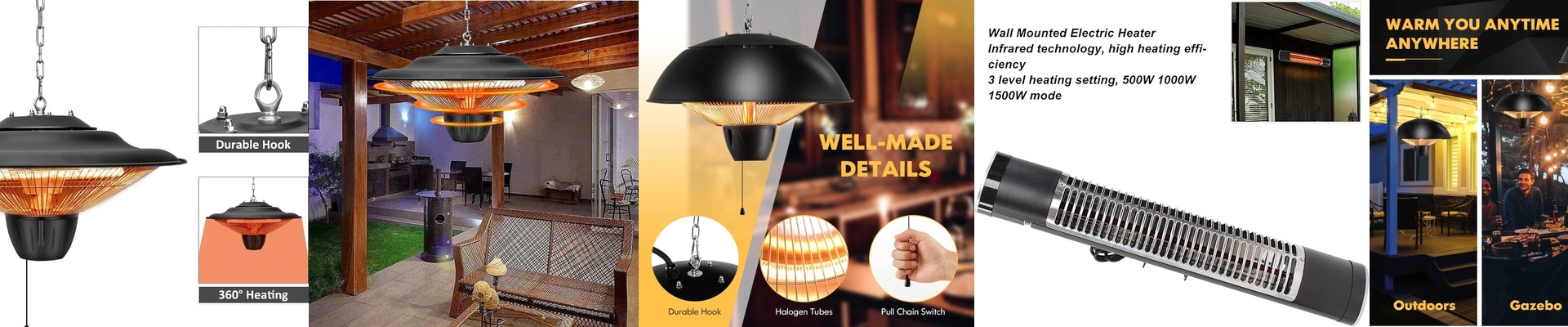
We build infrared heaters that are fully ERP-compliant, for homes and bigger spaces alike. They give you that focused, radiant warmth—no bulky convection systems needed. The whole idea is direct heat transfer. Where you put the heater—how high, what angle—that’s what decides how well it works. Get those details right, and you get warmth exactly where you want it, with almost zero wasted energy.
The real-world details: power, voltage, and placement
These heaters run on standard voltage and deliver steady wattage along the whole tube. ERP compliance keeps the power draw tight and within the rules, without sacrificing output. But here’s the part that matters most: mounting height. Infrared travels in a straight line, and physics doesn’t negotiate. If you double the height, the energy hitting your target drops fast—about 75% less density. Take a 2000W unit: mount it at 2.5 meters, and you’re getting roughly 320W/m² at floor level. Bump it up to 3.5 meters, and that drops to around 80W/m². Angle matters, too. A 45-degree downward tilt spreads the warmth evenly across the floor without hot spots.
Built to take it: quartz tube and solid connections
Inside, you’ve got a high-purity quartz tube. It handles rapid heating and cooling without cracking, and it sends out shortwave infrared efficiently—warming up in seconds and staying steady. The R7s connector handles the high current with a secure, low-resistance fit that stays tight even as things expand and contract with heat. The quartz coating resists chemical corrosion, so it keeps performing even in humid conditions. It’s a simple, tough build—made for long stretches of reliable use.
Putting it to work: predictable warmth, the right way
When you wire this in, the ERP compliance means it plays nicely with energy-monitored systems—no surprise flags during audits. And because you control height and angle, you control the thermal footprint. In a living room, for example, mount at 2.2 meters with a 30-degree tilt, and you’ll cover about 15 square meters evenly. There is a trade-off, though: the higher you mount, the less localized the heat. If the area you want to warm is farther away, you’ll need a larger unit. It’s not guesswork—just physics, and a setup done with care. Match the height to the room, angle it for the coverage you want, and you’ll get dependable, compliant heat—every time.