
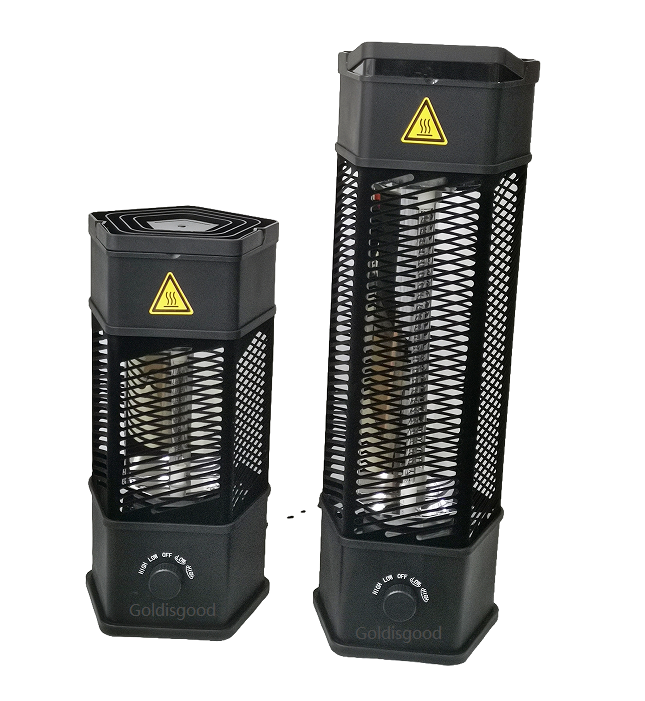
Introduction
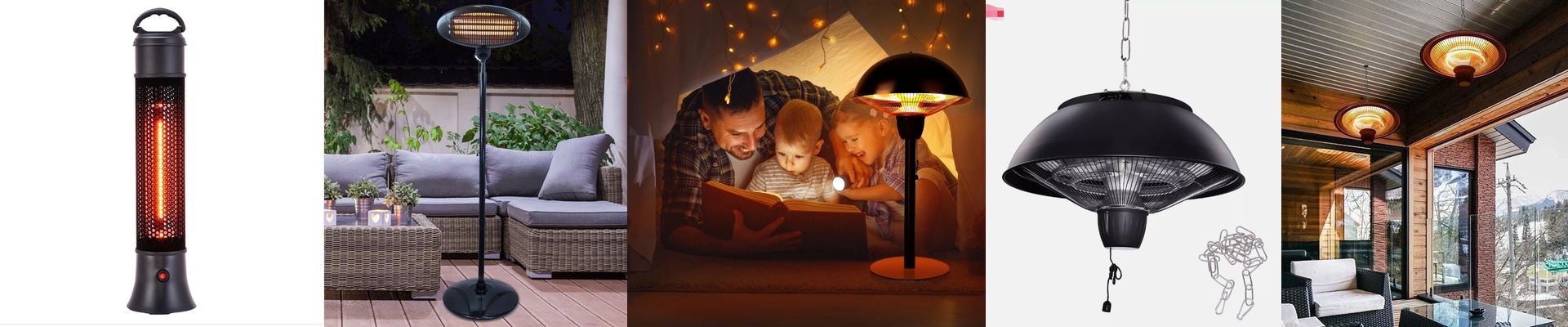
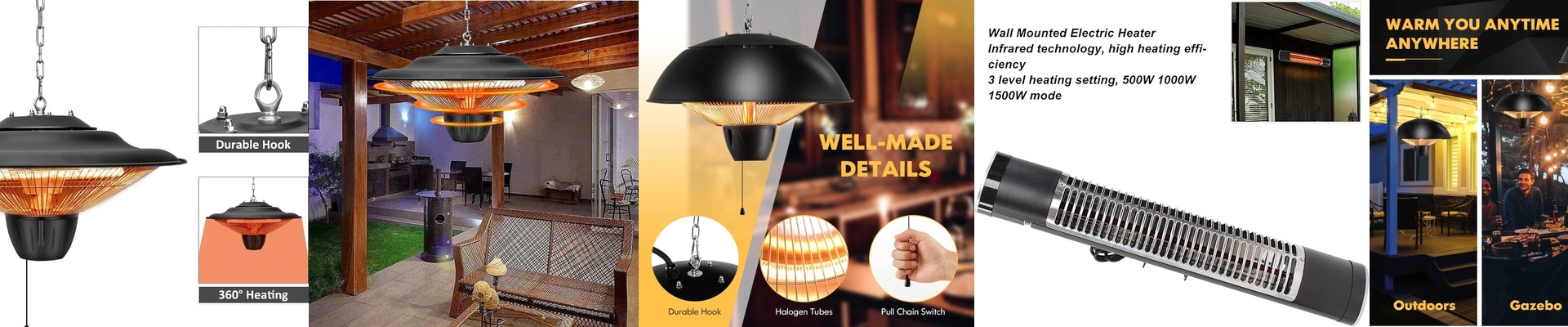
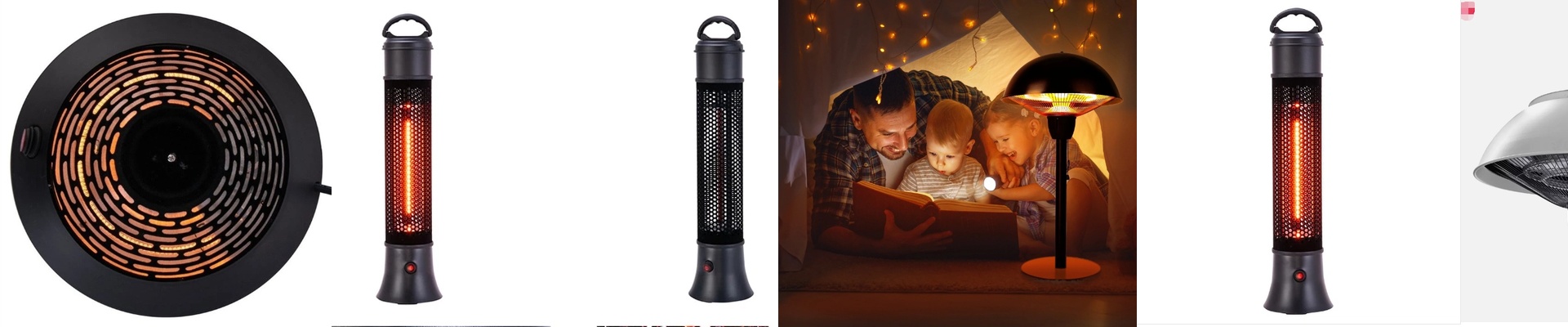
Let’s cut to the chase. We built this electric infrared heater to step right in for those old oil-filled radiators. CE-approved, ready to go. But it’s not just about making a room feel warm. It’s about warmth that doesn’t waste power. You get the same kind of surface heat you need, but without the electricity bill creeping up on you. On the shop floor, nobody cares about marketing fluff. They care about real, measurable savings.
Power, Voltage, and Output: How It Actually Works
Here’s the thing: infrared heat doesn’t work like your old oil heater. Oil heaters warm the air, which then warms you. Infrared goes straight to the point—heating people and objects directly. That direct approach means the electrical control has to be spot-on. So we built these units to run on standard 220-240V. That way, you can swap them in without rewiring the whole place. We match the wattage to the heat you need, but the real win is heat density. It’s fast. Really fast. No waiting around for coils to heat up. The infrared unit hits the target temperature almost instantly, so there’s no idle time wasting power. Power only draws when the heat is needed. When it’s not, it sits quiet and efficient.
The Materials and Design: Built for the Heat
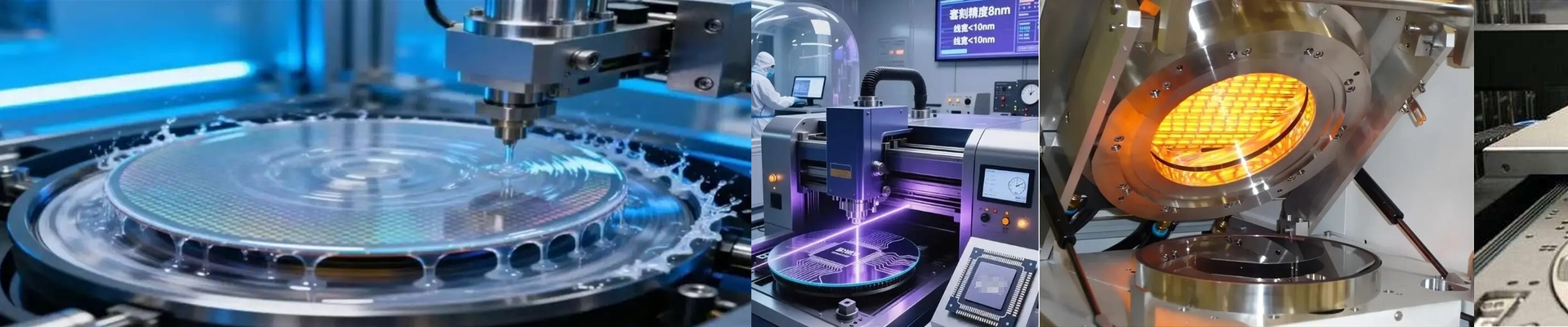
The heart of this thing is a high-purity quartz tube, wrapped around a halogen filament. Why does that matter? Because that filament can run hot—really hot—without burning out or oxidizing. It throws out intense shortwave infrared radiation. And that coating on the quartz? It’s not just for looks. It’s a reflective layer that pushes the heat forward where you need it, and keeps waste to a minimum. Then there’s the R7s base connector. It’s the industry standard for a reason. It locks in tight, handles high temps, and won’t fail when the heat is on. This isn’t some flimsy consumer bulb. It’s built for the grind of an industrial workspace.
Real-World Use: Where the Savings Come From
When you swap out an oil radiator for this, the savings come from one thing: less wasted heat. An oil heater just keeps warming the air around it—air that leaks out through drafts, doors, and vents. This infrared heater focuses on the target. People, equipment, the work that needs doing. In a typical workshop, that means you can see the difference on the meter. Fewer kWh used. Now, there is a trade-off. Infrared is directional. It needs a clear line of sight. That’s actually a strength if you think about it. It’s perfect for open areas with specific workstations. It won’t heat the whole room evenly, but that’s not what it’s designed to do. For engineers and operators, it’s a precision tool. It delivers heat where you need it, when you need it, and keeps costs down right where it counts.