
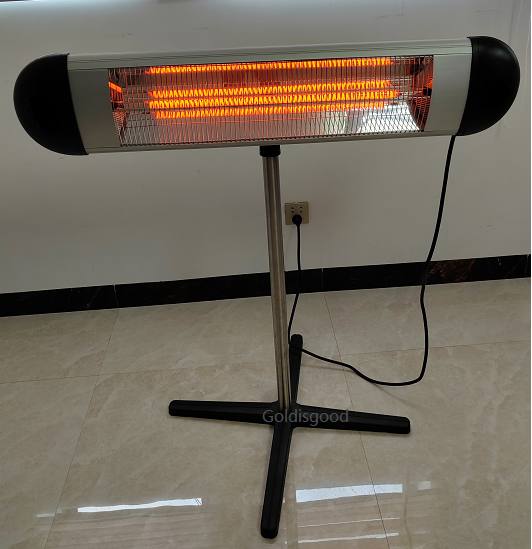
Why Bathroom Heaters Need a Whole Different Rulebook
We make bathroom infrared heaters for one simple reason: bathrooms are brutal. They’re not just wet—they’re a daily cycle of steam, sudden temperature shifts, and vapor that eats away at the wrong materials. Regular industrial heaters don’t stand a chance in there. They give up fast. So we treat the bathroom like the stress test it really is. Before a single unit leaves our hands, it goes through serious hot-and-humid aging. We want to know it can handle the real world before it ever sees your walls.
Power That Feels Instant
A bathroom infrared heater has one job: deliver heat right when you need it. No waiting. No lag. We match the power and voltage to what the space actually demands. Most units run at 220V–240V, pulling 250W to 500W, focused into a small footprint. It’s not about being loud or brute-force. It’s about heat density. The shortwave infrared element hits target temperature in seconds, so you feel the warmth immediately. But high power density comes with a catch. The fixture and wiring around it have to be able to take the heat. If they can’t, insulation starts breaking down sooner than it should.
The Materials That Actually Belong in a Bathroom
We use a quartz envelope with halogen fill gas. Quartz can handle thermal shock and resists the chemical attack from cleaners and constant steam. The halogen cycle keeps the filament stable, so the lamp doesn’t blacken over time. That means consistent output, day after day. And the R7s connector? That’s the anchor point. It’s built for high temperatures, easy to wire, and holds tight—even when the heater cycles on and off, over and over.
The Aging Test: Our Way of Promising It Will Hold Up
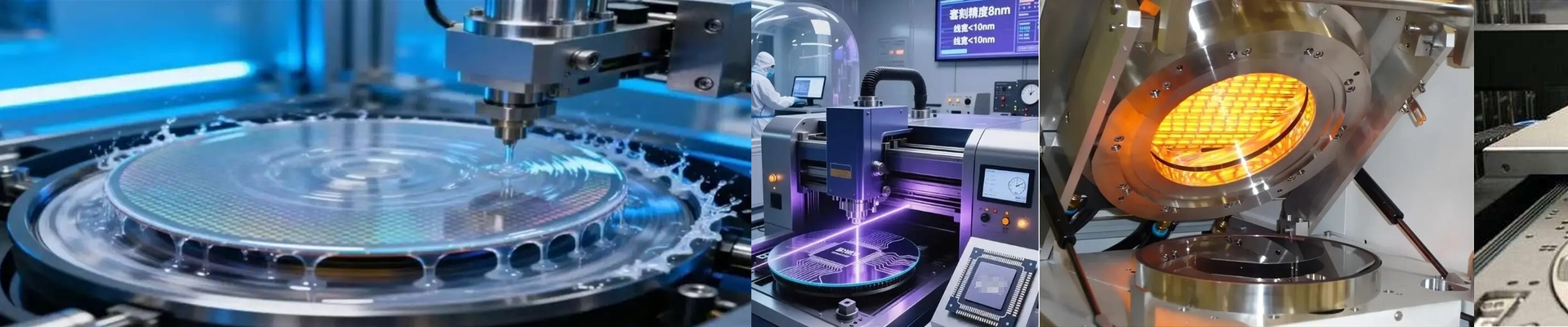
The hardest test happens before installation. In our aging chambers, each lamp runs through continuous cycles of high heat and 100% humidity. We watch output stability, check terminals for corrosion, and make sure the seals stay solid. If it passes, it’s ready for the shower zone—where performance can’t drop when things get steamy. Yes, this level of testing takes time and real engineering effort. But that’s the price of building something that doesn’t die after one season. For the people who specify and maintain these spaces, it means fewer service calls, less downtime, and a heater you can count on—every single time.