
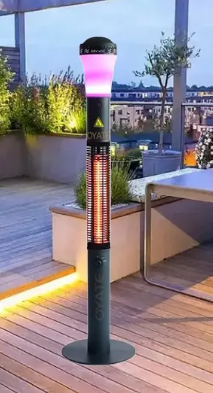
Homeowners trying to nail the perfect smart-home climate run into a familiar snag: the heating equipment works against the automation. When a room needs warmth, a conventional heater first has to heat up its own heavy metal guts, then the air. You lose minutes and kilowatts before comfort shows up. The second the thermostat calls for a pause, that stored heat keeps dumping out, forcing the system to overshoot and then chase stability.
What matters under the hood
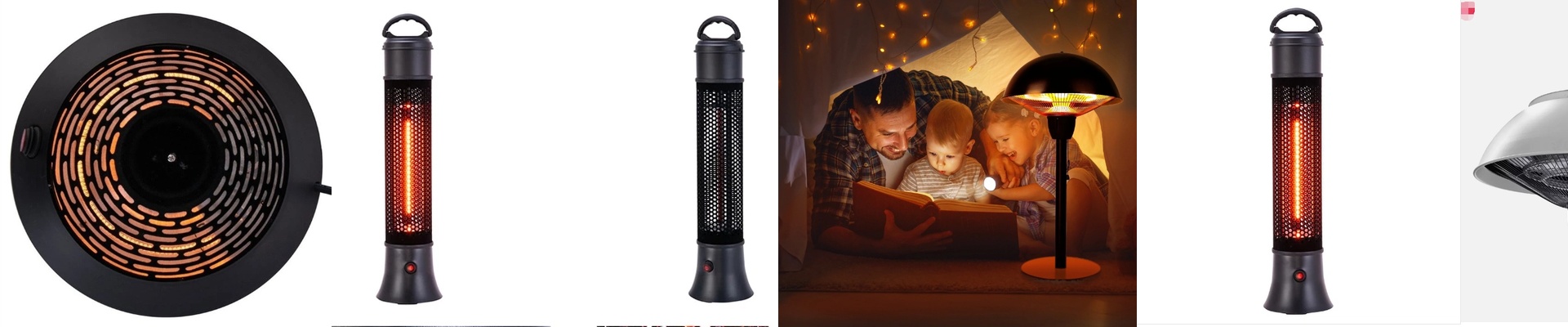
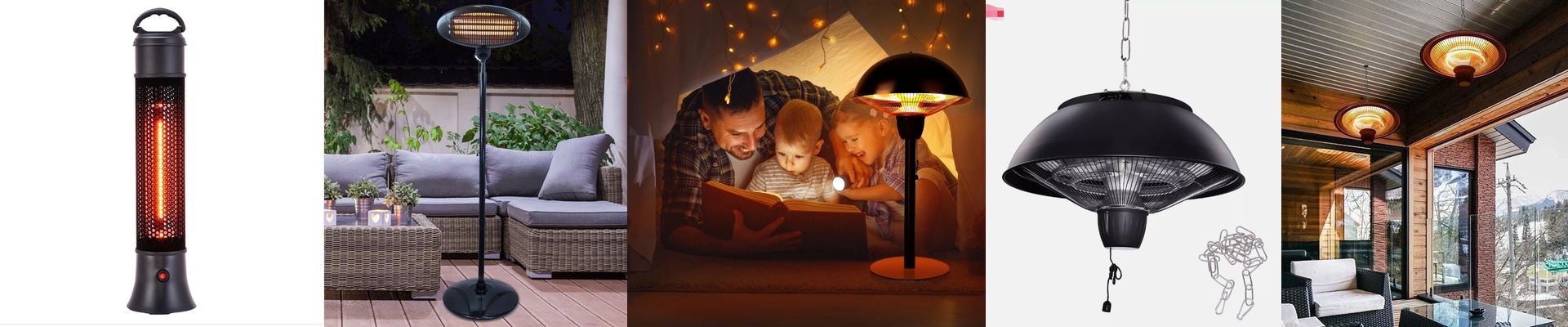
We build our infrared heaters around a low-inertia emitter—usually a carbon fiber element or a quartz-based tube. It comes up to operating temperature in seconds, not minutes. Radiant heat goes straight to work, warming people and surfaces directly while the surrounding air stays more stable. That quick response is exactly why these units play nicely with smart controls: the heater can switch on and off with precision, without the long thermal tail that wastes energy.
Why this plays so well with smart systems
In a household smart-climate setup, low thermal inertia translates to shorter comfort cycles and tighter temperature control. The system can heat only when occupancy and sensors agree it’s time, then stop without dumping extra heat into the room. In practice, you get less standby loss, fewer on/off surges, and a real reduction in wasted energy—without turning the space into a dry, drafty box. You feel warmth fast, and the whole setup runs quietly.
What you need to get right
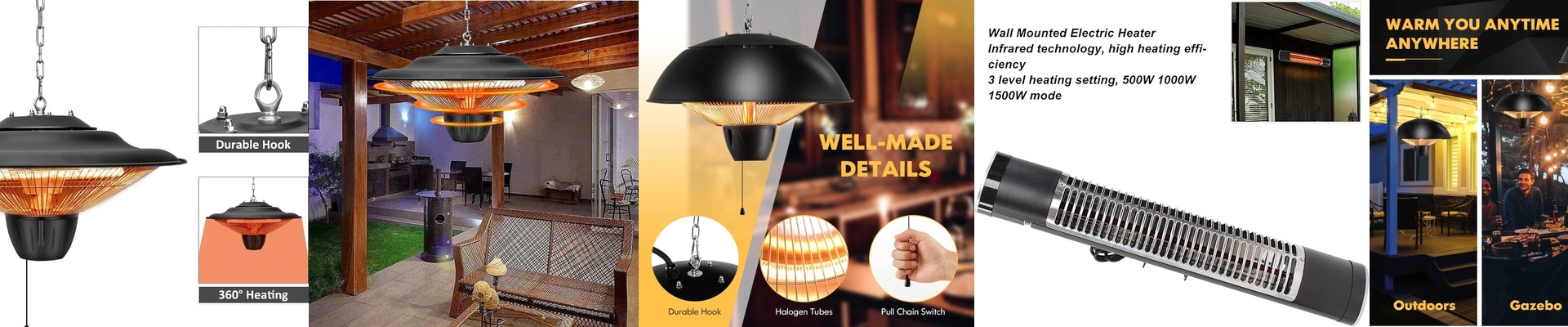
Infrared delivers directional warmth, so placement matters. For whole-room comfort, pair the radiant heater with gentle air movement or a secondary electric heater, and keep the unit aimed where people actually sit. Also, make sure your smart thermostat and wiring match the heater’s voltage and load requirements. Most modern models include overheat protection and tip-over safety, but they still need a dedicated circuit—do the install planning once, and it pays you back every season.