



Keeping Your Biosensor Fabrication Clean (and Stress-Free)
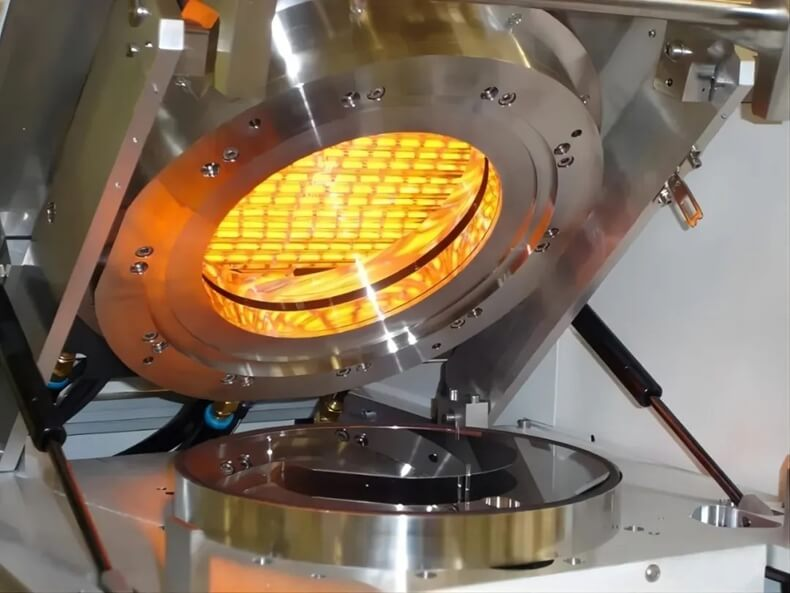
If you’ve ever worked in a Class 100 cleanroom, you know the anxiety. One tiny speck of dust—one single flake of debris from a heating element—and your entire batch of sensors is trash. It’s frustrating. It’s expensive. And honestly, it’s avoidable. That’s why we stick with high-purity synthetic quartz IR lamps. Why the quartz matters Most heating elements aren’t built for this. They tend to outgas or flake when things get hot. Not these. We use fused silica because it can handle those rapid temperature swings without shedding microscopic junk into your workspace. Think of the quartz envelope as a permanent seal. It keeps the tungsten filament locked away from the air, which stops oxidation in its tracks. No metallic dust. No surprises. Just a clean environment. Getting the heat right When you’re curing polymers or drying substrates, you can’t just “blast it.” You need a very specific amount of heat, or you’ll warp your base material. Our lamps hit you with concentrated short-wave output. It’s fast. Really fast. You can hit your target temperature in seconds, which keeps your footprint small and your workflow moving. But a word of caution: this stuff getsintense. If you skimp on your cooling fans or heat sinks, you’re going to warp your mounting brackets. Don’t let that happen. The practical stuff We made these lamps easy to swap because we know you don’t have all day to fiddle with hardware. The connectors are standardized, so they snap in tight. This is huge because a loose connection leads to arcing, and arcing creates carbon deposits. And as we already established, carbon in your air is a nightmare. One last tip: keep your power stable. A sudden voltage spike can pop a filament, and that’s a headache nobody needs. I always recommend a dedicated PID controller. It keeps the temperature steady and your process repeatable. It just works. Your air stays pure, and your sensors actually come out the way they’re supposed to.